Providing Ruqya and Hijama Services at your place until new Location Opens

Categories
Ruqya Services

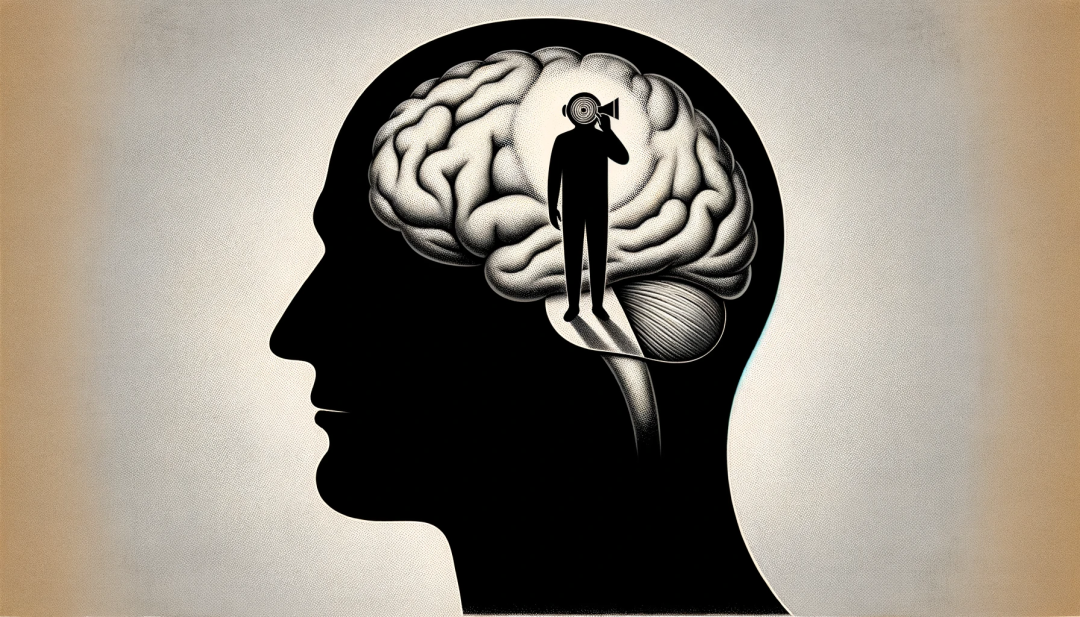
Hidden Jinn Identification Through Psychotherapy: Exploring the Intersection of Spiritual and Psychological Healing

In many Islamic traditions, jinn are believed to be supernatural beings that can influence human lives in both positive and negative ways. While some people believe that jinn can be a source of spiritual or psychological distress, others seek to understand how these influences might intersect with psychological conditions. One area of interest is the identification and treatment of hidden jinn through psychotherapy. In this blog post, we’ll explore the concept of jinn from an Islamic perspective, how their influence might manifest as psychological symptoms, and how psychotherapy can play a role in addressing these concerns.

Understanding Jinn and Their Influence

In Islam, jinn are created from smokeless fire and possess free will, similar to humans. They live in a parallel world to ours and can be either benevolent or malevolent. The belief in jinn is deeply rooted in Islamic teachings, and their influence is thought to affect various aspects of human life, including physical health, emotional well-being, and spiritual state.

Types of Jinn Influences:

  • Possession: Some believe that malevolent jinn can possess or influence individuals, causing psychological and emotional distress. Symptoms might include sudden mood swings, irrational fears, or violent outbursts.
  • Whispering: Jinn may also influence thoughts and feelings through whispering (waswasah), which can lead to doubts, anxiety, or harmful behaviors.
  • Black Magic (Sihr): Jinn are often associated with black magic or witchcraft, which can be used to harm individuals spiritually and psychologically.

Identifying Hidden Jinn Through Psychotherapy

Psychotherapy, also known as talk therapy, is a common approach to treating psychological issues. It involves discussing problems with a trained mental health professional to understand and manage emotional and mental health challenges. While psychotherapy is primarily focused on addressing psychological issues, some individuals seek to explore whether their symptoms may have a spiritual or supernatural dimension, such as hidden jinn influence.

Steps in Identifying Hidden Jinn Through Psychotherapy:

  1. Comprehensive Assessment:

A thorough assessment is the first step in psychotherapy. This involves exploring the individual’s history, symptoms, and experiences. A mental health professional will typically use various assessment tools and techniques to understand the nature of the symptoms and any potential underlying causes.

  1. Differentiating Psychological and Spiritual Symptoms:

The goal of psychotherapy is to differentiate between symptoms that may be rooted in psychological conditions versus those that might be influenced by spiritual or supernatural factors. For instance, anxiety and depression can manifest with symptoms similar to those attributed to jinn possession. Identifying these distinctions helps in providing appropriate treatment.

  1. Incorporating Cultural and Spiritual Sensitivity:

When dealing with clients who believe they are affected by jinn, therapists may adopt a culturally sensitive approach. This includes respecting the individual’s beliefs and considering how these beliefs impact their psychological state. The therapist might integrate discussions about spiritual concerns and how they intersect with psychological symptoms.

  1. Referral to Islamic Practitioners:

In cases where psychotherapy alone does not address the concerns, therapists may refer clients to Islamic practitioners, such as a Raaqi, who specialize in Ruqyah (spiritual healing). This referral ensures that clients receive comprehensive care that addresses both psychological and spiritual dimensions.

  1. Collaborative Approach:

A collaborative approach involves working with both mental health professionals and spiritual practitioners to address the client’s needs. This may include integrating therapeutic techniques with spiritual practices, such as reciting Quranic verses for protection and healing, while continuing psychological support.

Addressing Psychological Symptoms Linked to Jinn

For individuals experiencing symptoms believed to be linked to jinn, psychotherapy can be effective in managing and alleviating psychological distress. Here’s how psychotherapy can help:

  1. Cognitive Behavioral Therapy (CBT):

CBT is a common therapeutic approach that helps individuals identify and change negative thought patterns and behaviors. It can be particularly effective in addressing anxiety, depression, and irrational fears that may be interpreted as jinn-related.

  1. Trauma-Informed Therapy:

For individuals who perceive their symptoms as related to past traumatic experiences or supernatural influences, trauma-informed therapy can help address the underlying emotional wounds. This approach emphasizes understanding and healing from trauma in a compassionate and supportive manner.

  1. Stress Management Techniques:

Psychotherapy often includes teaching stress management techniques, such as relaxation exercises, mindfulness, and coping strategies. These techniques can help individuals manage symptoms of anxiety and stress that may be exacerbated by their belief in jinn influence.

  1. Building Coping Skills:

Therapists work with clients to develop effective coping skills to manage distressing thoughts and emotions. This can include strategies for dealing with intrusive thoughts, emotional regulation, and enhancing resilience.

  1. Encouraging Positive Lifestyle Changes:

Psychotherapy can also focus on encouraging positive lifestyle changes, such as improving sleep, nutrition, and exercise, which can have a significant impact on mental health and well-being.

Integrating Islamic Practices

For those who believe in the influence of jinn, integrating Islamic practices into their therapeutic approach can provide additional support:

  1. Regular Prayer and Supplications:

Engaging in regular prayer and reciting supplications for protection, such as Ayat al-Kursi and Surah Al-Falaq, can offer spiritual reassurance and strengthen faith.

  1. Ruqyah (Spiritual Healing):

Consulting a Raaqi for Ruqyah, the recitation of Quranic verses for healing and protection, can be a complementary approach to psychotherapy. It can address spiritual concerns while continuing psychological treatment.

  1. Strengthening Faith:

Building a strong connection with Allah through acts of worship, repentance, and seeking forgiveness can provide emotional and spiritual support, reducing feelings of fear or distress related to jinn.

Conclusion

The intersection of psychological problems and the belief in jinn can be complex, requiring a nuanced approach to treatment. Psychotherapy offers valuable tools for managing and reducing psychological distress, while Islamic practices can provide spiritual support and healing. By integrating both approaches, individuals can address their concerns holistically, finding relief from psychological symptoms and spiritual disturbances. It is essential to approach this process with an open mind, respect for individual beliefs, and a commitment to comprehensive care.


Categories
Uncategorized

Understanding Psychological Problems and How to Reduce Them

Psychological problems, often referred to as mental health issues, encompass a range of conditions that affect an individual’s emotional, psychological, and social well-being. These problems can impact daily functioning, relationships, and overall quality of life. In Islam, mental health is also recognized as an important aspect of holistic well-being, and there are specific teachings and practices that can help address and reduce psychological issues. In this blog post, we’ll explore what psychological problems are, how they can affect individuals, and how to reduce them from both a general and Islamic perspective.

What Are Psychological Problems?

Psychological problems include a variety of mental health conditions that can affect how a person thinks, feels, and behaves. Common psychological problems include:

  • Anxiety Disorders: Conditions characterized by excessive worry, fear, or panic attacks. Examples include generalized anxiety disorder (GAD), social anxiety disorder, and panic disorder.
  • Depressive Disorders: Conditions involving persistent feelings of sadness, hopelessness, or loss of interest in activities. Major depressive disorder (MDD) and persistent depressive disorder (dysthymia) are examples.
  • Mood Disorders: Conditions that involve significant fluctuations in mood, such as bipolar disorder, which includes episodes of mania and depression.
  • Obsessive-Compulsive Disorder (OCD): Characterized by intrusive thoughts (obsessions) and repetitive behaviors (compulsions) performed to reduce anxiety.
  • Post-Traumatic Stress Disorder (PTSD): A condition triggered by experiencing or witnessing a traumatic event, leading to flashbacks, severe anxiety, and emotional distress.

These conditions can affect an individual’s ability to function normally and lead to significant distress. They often require a combination of therapeutic approaches, including counseling, medication, and lifestyle changes.

Other Psychological Problems

In addition to the general psychological issues, there are specific psychological concerns that may be viewed through an Islamic lens. These include:

  • Jinn Possession and Evil Eye (Al-‘Ayn): In Islamic tradition, psychological distress is sometimes attributed to supernatural influences such as jinn possession or the evil eye. These beliefs are part of a broader understanding of mental and spiritual health.
  • Spiritual Despondency: Feelings of despair or spiritual emptiness, which can occur when a person feels disconnected from their faith or has strayed from religious practices.
  • Guilt and Shame: Intense feelings of guilt or shame related to one’s actions or sins, which can affect mental well-being and lead to psychological distress.

How to Reduce Psychological Problems?

Reducing psychological problems involves a combination of professional treatment, self-care, and, for Muslims, incorporating Islamic practices that promote mental and spiritual well-being. Here are some strategies for addressing psychological problems:

  1. Seek Professional Help

Professional help is essential for managing and reducing psychological problems. This includes:

  • Counseling and Therapy: Speaking with a mental health professional, such as a psychologist or counselor, can provide valuable support and strategies for coping with psychological issues. Cognitive-behavioral therapy (CBT) and other therapeutic approaches can help individuals manage symptoms and improve their quality of life.
  • Medication: For certain conditions, medication prescribed by a psychiatrist may be necessary to manage symptoms. It’s important to work closely with a healthcare provider to find the right treatment plan.
  1. Practice Self-Care

Taking care of your mental health through self-care practices can significantly reduce psychological problems:

  • Healthy Lifestyle: Maintain a balanced diet, exercise regularly, and ensure adequate sleep. Physical health is closely linked to mental well-being, and taking care of your body can improve your mood and energy levels.
  • Stress Management: Engage in activities that help manage stress, such as mindfulness, meditation, or hobbies. Identifying and addressing sources of stress can prevent exacerbation of psychological issues.
  1. Incorporate Islamic Practices

Islamic teachings provide a spiritual framework for addressing psychological problems and promoting mental health:

  • Regular Prayer (Salah): Performing the five daily prayers helps maintain a connection with Allah and provides moments of reflection and tranquility. Prayer can be a source of comfort and a means to seek guidance and support.
  • Recitation of Quranic Verses: The Quran contains verses that offer solace and guidance, such as Surah Al-Fatiha, Surah Al-Baqarah, and Surah Ar-Rahman. Reciting these verses with understanding and intention can bring peace to the heart and mind.
  • Dhikr (Remembrance of Allah): Engaging in Dhikr, or the remembrance of Allah, through phrases like “SubhanAllah” (Glory be to Allah), “Alhamdulillah” (All praise be to Allah), and “Allahu Akbar” (Allah is the Greatest), can reduce anxiety and bring spiritual calm.
  • Seeking Forgiveness and Repentance: Asking Allah for forgiveness and engaging in sincere repentance can alleviate feelings of guilt and shame. Understanding that Allah’s mercy is vast can help relieve psychological burdens.
  • Maintaining a Strong Support System: Building and nurturing relationships with family, friends, and community members can provide emotional support and reduce feelings of isolation. Islamic teachings emphasize the importance of community and mutual support.
  • Ruqyah and Seeking Protection: For those who believe they are affected by spiritual issues such as the evil eye or jinn possession, performing Ruqyah (spiritual healing) with Quranic recitations and supplications can help. Consulting a knowledgeable and pious individual for guidance can also be beneficial.
  1. Engage in Positive Activities
  • Volunteering and Helping Others: Engaging in acts of kindness and helping those in need can provide a sense of purpose and fulfillment, contributing positively to mental well-being.
  • Setting Goals and Staying Productive: Setting achievable goals and staying engaged in meaningful activities can provide a sense of accomplishment and reduce feelings of hopelessness.

Conclusion

Psychological problems can significantly impact an individual’s life, but with the right approach, they can be managed and reduced. Seeking professional help, practicing self-care, and incorporating Islamic practices into daily life can provide a comprehensive strategy for addressing psychological issues. By combining these approaches, individuals can achieve better mental and spiritual well-being, finding balance and relief from the challenges they face.

Categories
Uncategorized

Understanding Raaqi: The Islamic Healer and Their Role in Spiritual Well-being

In Islam, the concept of spiritual healing is deeply rooted in the belief that physical and emotional ailments can be influenced by spiritual forces. One of the key figures in Islamic spiritual healing is the Raaqi—an individual who is skilled in the practice of Ruqyah, the recitation of specific verses from the Quran and supplications to seek protection and healing from various forms of harm. The role of a Raaqi is both respected and significant within the Muslim community, as they provide a source of comfort and relief for those suffering from spiritual afflictions. In this blog post, we will explore what it means to be a Raaqi, their role in Islamic healing, and the importance of Ruqyah in maintaining spiritual well-being.

Who Is a Raaqi?

A Raaqi is a person who performs Ruqyah, a form of Islamic spiritual healing. The term “Ruqyah” refers to the recitation of Quranic verses, prayers, and invocations to seek protection and healing from spiritual ailments, such as the evil eye (Al-‘Ayn), black magic (Sihr), and possession by jinn. A Raaqi is typically knowledgeable in Islamic theology, versed in the appropriate verses and prayers, and committed to helping others through the spiritual power of the Quran.

It is important to note that the role of a Raaqi is not limited to clerics or religious scholars. Any Muslim who has a deep understanding of the Quran and the principles of Ruqyah can perform this healing practice. However, a Raaqi should have a sincere intention, strong faith, and a comprehensive knowledge of Islamic teachings to ensure that the Ruqyah is performed correctly and effectively.

The Role of a Raaqi in Islamic Healing

The role of a Raaqi is to provide spiritual support and healing to those who are experiencing physical, emotional, or spiritual distress. This healing process is rooted in the belief that the Quran has divine power, and that its verses can bring comfort, protection, and cure to believers. Here are some of the key functions of a Raaqi:

  1. Recitation of Quranic Verses: A Raaqi recites specific verses from the Quran that are believed to have healing properties. These verses include Ayat al-Kursi (Surah Al-Baqarah 2:255), Surah Al-Falaq, Surah An-Naas, and Surah Al-Ikhlas, among others. The recitation is done with the intention of seeking Allah’s protection and healing from harm.
  2. Offering Spiritual Guidance: A Raaqi often provides spiritual guidance to those seeking healing, helping them strengthen their faith and trust in Allah. This guidance may include advice on how to protect oneself from spiritual harm, such as performing regular prayers, reading the Quran, and making supplications.
  3. Addressing Spiritual Afflictions: A Raaqi is called upon to help individuals who believe they are suffering from spiritual afflictions, such as the evil eye, black magic, or jinn possession. Through Ruqyah, the Raaqi seeks to neutralize these negative influences and restore the individual’s spiritual balance.
  4. Encouraging Positive Practices: In addition to performing Ruqyah, a Raaqi may encourage the individual to engage in positive Islamic practices, such as maintaining cleanliness, performing regular Dhikr (remembrance of Allah), and giving charity. These practices are believed to enhance one’s spiritual well-being and provide additional protection from harm.

The Importance of Ruqyah

Ruqyah plays a vital role in Islamic healing, as it emphasizes the power of the Quran and the importance of turning to Allah in times of distress. The practice of Ruqyah is based on the belief that spiritual ailments can manifest as physical or emotional problems, and that healing must address both the spiritual and physical aspects of a person.

  1. Protection from Harm: Ruqyah is a means of seeking protection from various forms of harm, including envy, evil eye, and supernatural influences. By reciting Quranic verses and supplications, Muslims seek Allah’s protection and blessings, ensuring that they remain safe from negative influences.
  2. Strengthening Faith: The practice of Ruqyah strengthens a believer’s faith by reinforcing the belief that Allah is the ultimate source of healing and protection. It encourages individuals to rely on their faith and trust in Allah’s power to overcome challenges and hardships.
  3. Promoting Peace of Mind: Ruqyah provides comfort and peace of mind to those who are experiencing distress. The recitation of the Quran has a soothing effect on the soul, helping individuals feel calm and reassured that they are under Allah’s protection.
  4. Holistic Healing: Ruqyah addresses the spiritual, emotional, and physical aspects of a person’s well-being. By focusing on the spiritual root of the problem, Ruqyah promotes holistic healing, ensuring that the individual’s overall health and well-being are restored.

Conclusion

The role of a Raaqi in Islamic spiritual healing is essential for those seeking relief from spiritual ailments and protection from harm. Through the practice of Ruqyah, Raaqis help individuals strengthen their faith, seek Allah’s protection, and achieve spiritual well-being. The importance of Ruqyah in Islam cannot be overstated, as it serves as a powerful reminder of the healing power of the Quran and the importance of turning to Allah in times of need.

Whether performed by a Raaqi or by oneself, Ruqyah is a practice that brings comfort, protection, and peace to believers, reinforcing their connection with Allah and their trust in His divine power.