Providing Ruqya and Hijama Services at your place until new Location Opens

Categories
Hijama Ruqya Services

Combining Hijama & Ruqya for Holistic Healing: Mind, Body & Soul

Topics Covered

  • Understanding Hijama and Ruqya

  • Why Combine Hijama and Ruqya?

  • The Connection Between Physical and Spiritual Healing

  • How Hijama Complements Ruqya

  • Step-by-Step: What a Combined Session May Look Like

  • Benefits of Integrating Hijama and Ruqya

  • Aftercare and Spiritual Maintenance

  • FAQs

Understanding Hijama and Ruqya

Hijama (cupping therapy) and Ruqya (Qur’anic spiritual healing) are two Sunnah-based practices that address different yet interconnected aspects of human health, the physical and the spiritual.

  • Hijama works by improving blood circulation, removing toxins, and rebalancing the body’s internal systems.

  • Ruqya, on the other hand, involves the recitation of Qur’anic verses and supplications to cleanse the soul, protect against negative energies, and seek Allah’s healing.

When these two are practiced together under proper guidance, they create a powerful, holistic healing experience, one that rejuvenates the mind, body, and soul.

At Serene Hijama Ruqya, both treatments are performed in a safe, spiritual, and professional environment across Mississauga, Milton, Oakville, and surrounding areas.

Why Combine Hijama and Ruqya?

The human being is not just a body, but a soul encased in flesh. True healing must, therefore, address both physical and spiritual dimensions.

Many people experience issues that have spiritual roots but physical symptoms, such as:

  • Persistent fatigue or body pain without a medical explanation

  • Unexplained sadness or anxiety

  • Sleeplessness and disturbing dreams

  • Emotional heaviness or lack of motivation

In such cases, Hijama alone might relieve the physical tension, but Ruqya addresses the underlying spiritual imbalance.
Combining the two brings a complete form of healing, grounded in both faith and wellness.

The Connection Between Physical and Spiritual Healing

Islam recognizes the deep connection between body and soul. When one suffers, the other often feels the impact.

For example:

  • Emotional distress can manifest as physical fatigue.

  • Spiritual blockages can lead to a lack of motivation or illness.

  • Unresolved negative energy can weaken the body’s natural defense.

Hijama helps remove physical toxins, while Ruqya cleanses spiritual impurities. Together, they strengthen the individual’s overall well-being, restoring harmony between the heart, mind, and body.

How Hijama Complements Ruqya?

Ruqya involves recitation and spiritual cleansing, while Hijama focuses on detoxification and blood circulation. When performed together or in sequence, the benefits multiply.

1. Physical Detox Enables Spiritual Clarity

Hijama removes stagnant blood and improves oxygen flow, making the body more receptive to spiritual energy.
After Hijama, many clients report feeling calmer, clearer, and more connected during Ruqya sessions.

2. Spiritual Cleansing Enhances Physical Healing

Ruqya removes the unseen causes of discomfort, such as evil eye (ayn), black magic (sihr), or negative energy, that may block the body’s natural healing process.

3. Emotional Release

The combination often triggers emotional release, crying, deep relaxation, or a sense of peace, which signals healing on both levels.

Step-by-Step: What a Combined Session May Look Like

Each practitioner may adjust the process based on your needs, but a combined Hijama and Ruqya session typically follows this flow:

1. Consultation & Intention (Niyyah)

The session starts with a consultation about physical symptoms and emotional or spiritual concerns.
Both the client and practitioner set a sincere intention, seeking healing through Allah’s words and Prophetic practice.

2. Ruqya Recitation

The practitioner begins with reciting Qur’anic verses such as Surah Al-Fatiha, Ayatul Kursi, Al-Falaq, and An-Nas.
This helps calm the heart, repel negativity, and prepare the body spiritually for Hijama.

3. Hijama (Cupping Therapy)

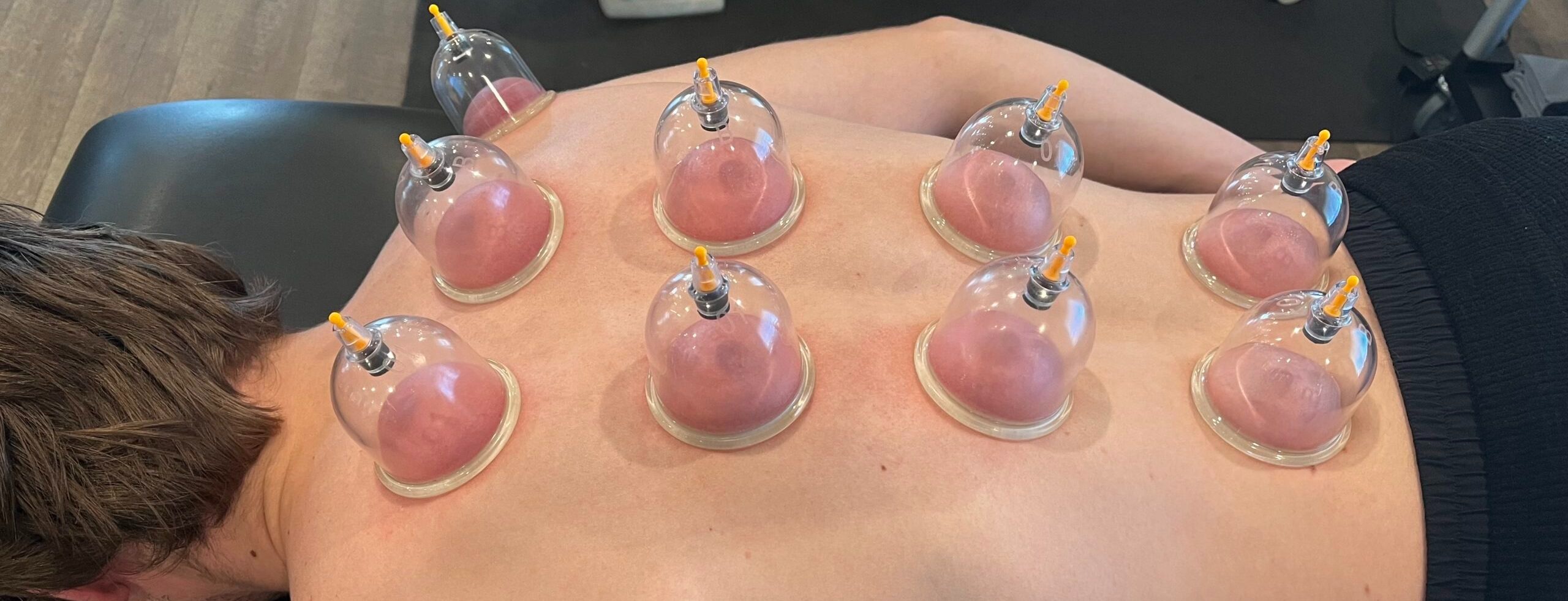
After the Ruqya, cups are applied to specific body points, often the back, neck, and shoulders, to extract toxins and stagnant blood.
As the physical tension is released, the body aligns with the spiritual purification happening through Ruqya.

4. Closing Dua

The session ends with dua and dhikr (remembrance of Allah). Olive oil or Ruqya water may be used to anoint certain areas or for continued self-care at home.

5. Duration

A complete combined session usually lasts 60 to 90 minutes, allowing both body and spirit to rest and heal.

Benefits of Integrating Hijama and Ruqya

When practiced together, Hijama and Ruqya offer multi-dimensional healing benefits that go beyond physical relief.

1. Deep Spiritual Cleansing

Ruqya helps eliminate the effects of evil eye, sihr, and negative energies, restoring spiritual balance and inner peace.

2. Detoxification and Circulation

Hijama removes impurities from the blood, enhances immunity, and relieves chronic pain, inflammation, and fatigue.

3. Emotional and Mental Clarity

Many experience emotional release during or after the session, feeling lighter, calmer, and more positive.

4. Strengthened Faith (Iman)

The process strengthens trust in Allah’s power, reminding the believer that all healing comes from Him alone.

5. Overall Holistic Balance

By cleansing both physical and spiritual systems, the person experiences wholeness, a harmony between body, soul, and mind.

Aftercare and Spiritual Maintenance

Healing doesn’t stop after the session; it continues through daily habits and faith.
To maintain results, here are some essential aftercare tips:

  • Drink plenty of water or Ruqya water to flush out toxins.

  • Rest for at least 24 hours after Hijama.

  • Continue daily Qur’an recitation and dhikr.

  • Perform Salah regularly and seek forgiveness (istighfar).

  • Avoid environments or media that bring negative energy.

  • Recite Ayatul Kursi and Surah Al-Baqarah in your home frequently.

With consistency, the effects of Hijama and Ruqya become lasting, strengthening both physical vitality and spiritual resilience.

FAQs About Combining Hijama and Ruqya

1. Can Hijama and Ruqya be done on the same day?
Yes, they can be done together in the same session or on consecutive days. It depends on your energy level and the practitioner’s advice.

2. Is the combination safe for everyone?
Yes, when done by trained and certified practitioners using hygienic tools. However, people with medical conditions should consult their doctor first.

3. What results can I expect?
Most people report feeling lighter, calmer, and more energetic, with improved focus, better sleep, and spiritual clarity.

4. How often should I do it?
For general well-being, once every 3–6 months is ideal. Those with chronic or recurring issues may benefit from more regular sessions.

5. Is this practice based on Islam?
Yes, both Hijama and Ruqya are authentic Sunnah practices rooted in the teachings of the Prophet Muhammad ﷺ.

Final Thoughts

Combining Hijama and Ruqya brings together two sacred healing practices, one cleansing the body, the other purifying the soul.
It’s a reminder that true healing comes from Allah, and that wellness is not just the absence of illness but the presence of peace, faith, and balance.

If you’re seeking a holistic healing experience that nurtures your mind, body, and soul, visit Serene Hijama Ruqya, serving Mississauga, Milton, Oakville, and Toronto, where both therapies are offered with care, professionalism, and spiritual sincerity.
Categories
Hijama

What to Expect Before, During & After a Hijama Session?

Topics Covered

  • What is Hijama (Cupping Therapy)?

  • Preparing for a Hijama Session

  • What Happens During a Hijama Session?

  • What to Expect After Hijama

  • Common Reactions and Recovery

  • Aftercare Tips for the Best Results

  • FAQs

What is Hijama (Cupping Therapy)?

Hijama, also known as cupping therapy, is a traditional healing method practiced for centuries in various cultures, and more importantly, it is a Prophetic Sunnah recommended by the Prophet Muhammad ﷺ.

The process involves applying cups to specific points on the body to create suction, which draws out stagnant blood, toxins, and impurities from beneath the skin.
This improves circulation, reduces pain, and helps the body restore its natural balance.

At Serene Hijama Ruqya, Hijama therapy in Mississauga and Milton is performed using sterile, single-use equipment under the guidance of trained practitioners, ensuring safety, comfort, and authenticity.

Preparing for a Hijama Session

Proper preparation can make a significant difference in your Hijama experience. The goal is to ensure your body and mind are in the best state for healing.

1. Make the Right Intention (Niyyah)

Begin with a sincere intention that you are seeking healing and purification through a Sunnah practice for the sake of Allah.
A pure intention enhances both the physical and spiritual benefits of Hijama.

2. Fasting or Light Eating

Traditionally, it’s recommended to avoid eating for at least 2–3 hours before the session.
A light stomach helps blood circulation and ensures better detoxification. However, don’t arrive completely weak; a small meal or light snack earlier in the day is fine.

3. Stay Hydrated

Drink plenty of water and herbal tea before your appointment. Hydration supports blood flow and helps the body flush out toxins afterward.

4. Rest Well

Get a good night’s sleep before your session. A relaxed and rested body responds better to treatment.

5. Avoid Caffeine or Energy Drinks

Try to limit caffeine or heavy stimulants before Hijama, as they can increase your heart rate and sensitivity during suction.

What Happens During a Hijama Session?

A professional Hijama session is a calm, private, and respectful experience.
Here’s what typically happens step by step:

1. Consultation and Assessment

Your therapist will begin with a short consultation, asking about your health, lifestyle, and the reasons for seeking Hijama.
This helps determine the appropriate points on your body, often along the back, shoulders, neck, or legs, based on your condition.

2. Cleansing and Marking

The skin is cleaned thoroughly with antiseptic wipes, and cup points are gently marked. Hygiene is a top priority; all cups, blades, and gloves are single-use and sterile.

3. Applying the Cups

The therapist uses a hand pump or vacuum cups to create suction on the skin. You’ll feel a tight, pulling sensation, but it’s not painful.
This step, called dry cupping, stimulates circulation and draws stagnant blood toward the surface.

4. Controlled Incisions (Wet Cupping)

After a few minutes, the cups are removed, and tiny, superficial incisions are made using a sterile blade.
The cups are then reapplied to draw out a small amount of blood, which carries toxins, waste, and trapped impurities.

5. Completion and Cleansing

Once the process is complete, the therapist removes the cups and cleans the area using an antiseptic.
An herbal or black seed oil may be gently applied to soothe the skin and aid healing.

6. Duration

A full session usually lasts 30 to 60 minutes, depending on the number of cupping points and the individual’s condition.

What to Expect After Hijama?

After Hijama, your body enters a natural detox and recovery phase. This is when the healing process truly begins.

1. Mild Fatigue or Lightheadedness

You may feel a little tired or dizzy; that’s normal. It’s the body’s way of adjusting after the release of toxins.

2. Circular Marks or Mild Bruising

These marks are a result of suction and are completely harmless. They usually fade within 3 to 7 days and vary depending on the level of stagnation in your blood.

3. Feeling Lighter or More Relaxed

Many people describe an immediate sense of lightness, calm, and mental clarity after Hijama, as if a weight has been lifted from the body.

4. Improved Sleep and Energy

Because circulation improves and stress is reduced, you may notice better sleep, less pain, and more energy in the following days.

Common Reactions and Recovery

Hijama triggers the body’s self-healing response, which may involve temporary changes. Here’s what’s common:

  • Slight soreness or sensitivity at cupping points

  • Minor itching or redness as skin heals

  • Temporary increase in urination or bowel movement, a sign of detox

  • Mild emotional release or calmness

These effects are short-lived and usually disappear within 24–48 hours.

Aftercare Tips for the Best Results

Your post-session care plays a vital role in maximizing the benefits of Hijama.

1. Rest and Hydrate

Drink lots of water and natural juices to help the body flush out impurities. Avoid strenuous activity or exercise for at least 24 hours.

2. Avoid Hot Showers

Wait at least 24 hours before taking a hot bath or sauna. Warm water can irritate freshly cupped skin.

3. Keep the Area Clean

Avoid touching or scratching the treated spots. If you notice mild itching, apply natural oils like olive or black seed oil.

4. Eat Healthy Foods

Choose light, wholesome meals, fruits, vegetables, and soups. Avoid fried, spicy, or heavy foods right after the session.

5. Maintain Sunnah Routine

It’s recommended to do Hijama on the Sunnah days, the 17th, 19th, or 21st of the Islamic lunar month, for maximum blessings and spiritual reward.

For safe and professional Hijama sessions following Prophetic guidelines, you can visit Serene Hijama Ruqya, serving Mississauga, Milton, Oakville, and surrounding areas.

FAQs About Hijama Sessions

1. Does Hijama hurt?
Most people describe the feeling as mild pressure or tightness. The small cuts in wet cupping are barely noticeable and cause minimal discomfort.

2. How often should I do Hijama?
For general wellness, once every 3 to 6 months is ideal. Those with chronic conditions may benefit from more frequent sessions as advised by the therapist.

3. Can women do Hijama?
Yes. Hijama is safe for women (except during menstruation or the first trimester). It can help with fatigue, migraines, hormonal balance, and emotional health.

4. Can I exercise after Hijama?
It’s best to avoid physical exertion for at least 24 hours to allow the body to recover.

5. Is Hijama safe for everyone?
Hijama is safe when performed by trained professionals using hygienic tools. However, individuals with bleeding disorders or serious medical conditions should consult their doctor first.

Final Thoughts

Hijama is more than just a therapy; it’s a spiritual and physical detox that brings balance, relief, and renewal.
Knowing what to expect before, during, and after the session helps you prepare mentally and physically, ensuring a safe and fulfilling experience.

At Serene Hijama Ruqya, each session is performed with sincerity, care, and adherence to the Sunnah, offering a pathway to true healing and tranquility.

Categories
Ruqya Services

How Does Ruqya Work & What Are the Steps?

Topics Covered

  • What is Ruqya?

  • The Spiritual Meaning Behind Ruqya

  • How Does Ruqya Work?

  • Types of Ruqya: Ruqya Shariyah vs. Non-Shariyah

  • Step-by-Step Process of Ruqya Healing

  • What to Expect During a Ruqya Session

  • Aftercare and Spiritual Maintenance

  • FAQs

What is Ruqya?

Ruqya is an Islamic spiritual healing practice that uses Qur’anic recitation and supplications (duas) to seek Allah’s protection and healing from spiritual ailments, such as evil eye (ayn), black magic (sihr), and jinn possession.

Unlike cultural or superstitious methods, Ruqya Shariyah follows authentic Islamic guidelines based on the Qur’an and Sunnah. It is a safe and faith-based approach used to restore spiritual, mental, and even physical well-being.

Many Muslims in Mississauga, Milton, and surrounding areas turn to Serene Hijama Ruqya for professional, Sunnah-based Ruqya sessions that combine compassion, knowledge, and sincerity.

The Spiritual Meaning Behind Ruqya

Ruqya is not merely a set of rituals; it is an act of worship and reliance on Allah (Tawakkul).
When a person seeks Ruqya, they are acknowledging that all healing ultimately comes from Allah. The recitation of the Qur’an and authentic supplications serves as a spiritual shield that strengthens faith and purifies the heart.

It also helps cleanse the negative energy or spiritual disturbances that may be affecting one’s mind, emotions, or environment. Many clients describe feeling calm, lighter, and spiritually renewed after a proper Ruqya session.

How Does Ruqya Work?

Ruqya works by combining Qur’anic verses, dua, and the power of belief to counteract harmful spiritual influences.
It is not the raqi (healer) who cures; rather, Allah allows healing through the words of the Qur’an.

1. Power of Qur’anic Verses

The Qur’an is a source of divine healing. Verses such as Surah Al-Fatiha, Ayatul Kursi, Surah Al-Ikhlas, Al-Falaq, and An-Nas are recited to drive away evil and restore peace.

2. Strength of Iman (Faith)

A strong connection with Allah and sincere belief in His healing power enhance the effectiveness of Ruqya.
The process realigns one’s focus from fear or anxiety toward trust, patience, and faith.

3. Purification of Energy and Mind

Ruqya clears negative spiritual energy, helping the person regain control of their thoughts and emotions. It also supports physical health by reducing stress, insomnia, and restlessness that may come with spiritual affliction.

Types of Ruqya: Ruqya Shariyah vs. Non-Shariyah

Not all Ruqya practices are authentic. Understanding the difference is vital:

1. Ruqya Shariyah (Permissible)

This is the authentic Islamic method performed using:

  • Verses from the Qur’an

  • Authentic duas from the Sunnah

  • Clean intentions (solely seeking Allah’s help)

It does not involve amulets, charms, symbols, or unknown words. The person performing it follows Islamic ethics and recites in a state of purity.

2. Ruqya Non-Shariyah (Impermissible)

Practices that involve magic, talismans, or invoking jinn are prohibited.
True Ruqya must remain free from shirk (associating partners with Allah) or un-Islamic rituals. Always ensure your healer practices authentic Ruqya Shariyah under Islamic guidance.

Step-by-Step Process of Ruqya Healing

The process of Ruqya may vary slightly based on the individual’s condition, but it generally follows these key steps:

1. Initial Assessment

The session begins with a discussion about the symptoms the person is experiencing, such as sudden fear, anxiety, nightmares, fatigue, or unexplained illness.
This helps the healer identify whether the issue may be related to evil eye, sihr, or jinn.

2. Intention and Purification

Both the raqi and the person seeking healing set a sincere intention (niyyah). The session usually starts with wudhu (ablution) and a short dua seeking Allah’s protection.

3. Recitation of Qur’an

The raqi recites specific Qur’anic verses and supplications over the person, water, or olive oil. Commonly recited verses include:

  • Surah Al-Fatihah

  • Ayatul Kursi (Surah Al-Baqarah, 2:255)

  • Surah Al-Ikhlas, Al-Falaq, An-Nas

  • Verses from Surah Al-Baqarah (2:102) against sihr

4. Blowing (Nafth) and Rubbing

After recitation, the raqi may gently blow (nafth) onto the person or into water and oil to be used later for drinking, bathing, or applying. This symbolizes the transfer of healing through Qur’anic energy.

5. Physical or Emotional Reactions

Some individuals may experience reactions such as crying, yawning, shaking, or sudden tiredness; these are natural signs that the body and soul are responding to the process.

6. Dua for Protection

The session ends with duas for healing, guidance, and ongoing protection from evil forces. The person is reminded to maintain regular prayers, dhikr, and Qur’an recitation for lasting spiritual strength.

What to Expect During a Ruqya Session?

A genuine Ruqya session should feel peaceful, modest, and respectful. There is no touching without consent, and the healer focuses only on Qur’anic methods.
The environment is calm, with Qur’an recitation creating a spiritually uplifting atmosphere.

After the session, many feel mentally clear, lighter, and spiritually calmer, while others may need several sessions depending on the severity of their condition.

If you’re seeking authentic Ruqya in Mississauga or Milton, visit Serene Hijama Ruqya, which offers a compassionate, faith-based approach to spiritual healing.

Aftercare and Spiritual Maintenance

Healing through Ruqya doesn’t end with one session; it’s a journey of continued faith and self-protection.
Here are some recommended practices after Ruqya:

  • Pray regularly (Salah) and make dhikr daily.

  • Recite Ayatul Kursi before sleep and after prayers.

  • Read Surah Al-Baqarah in your home frequently; it drives away shayateen.

  • Use Ruqya water or oil as prescribed by the healer.

  • Avoid haram environments and strengthen your relationship with the Qur’an.

Consistency in worship and maintaining a positive environment ensures that spiritual disturbances don’t return.

FAQs About Ruqya

1. How do I know if I need Ruqya?
If you experience constant fear, unexplained sadness, recurring nightmares, or negative energy around you, it might be beneficial to seek a Ruqya assessment.

2. Is Ruqya painful or dangerous?
No. Ruqya is based on Qur’anic recitation and prayer; it’s completely safe and non-invasive.

3. Can Ruqya be done at home?
Yes, you can perform Ruqya on yourself by reciting Qur’anic verses and duas with sincerity and trust in Allah.

4. How long does a Ruqya session take?
Typically, a session lasts between 45 minutes and an hour, depending on individual needs.

5. How many sessions are needed?
Some people feel relief after one session, while others may require multiple sessions depending on their condition.

6. Can Ruqya help with anxiety and stress?
Yes, many find emotional calm and spiritual clarity after Ruqya, as it helps remove negative energy and strengthens faith.

Final Thoughts

Ruqya is a powerful reminder that true healing lies in faith, sincerity, and connection with Allah.
When done properly, it brings peace, protection, and renewal, both spiritually and emotionally.
If you’re struggling with unexplained hardships or spiritual imbalance, seeking Ruqya Shariyah from trusted practitioners like Serene Hijama Ruqya can be a transformative step toward inner healing.

Categories
Hijama

Is Hijama (Cupping) Safe? Understanding Side Effects, Risks & Who Should Avoid It

Topics Covered

  • What is Hijama (Cupping Therapy)?

  • How Does Hijama Work?

  • Is Hijama Safe?

  • Common Side Effects of Hijama

  • Who Should Avoid Hijama?

  • Safety Tips and Best Practices

  • FAQsWhat is Hijama (Cupping Therapy)?

Hijama, also known as cupping therapy, is an ancient healing practice deeply rooted in Prophetic medicine (Sunnah) and traditional Chinese medicine. It involves placing cups on specific points of the body to create suction, drawing out “stagnant blood,” toxins, and impurities from beneath the skin.

Today, Hijama is recognized by many as a natural, holistic approach to improving circulation, relieving pain, and supporting overall wellness. Many people in Mississauga, Milton, Oakville, and Toronto seek Hijama therapy for conditions like migraines, back pain, fatigue, and stress.

How Does Hijama Work?

The therapy uses suction to stimulate blood flow and lymphatic drainage. There are two main types:

1. Dry Cupping

This method involves creating suction on the skin using cups, but without any incisions. It helps in relieving muscle tension, promoting relaxation, and improving blood circulation.

2. Wet Cupping (Hijama)

Wet cupping involves small, superficial incisions on the skin after suction. The cup is reapplied to draw out a small amount of blood believed to contain toxins and waste products. This is the Prophetic method of Hijama, widely practiced by Muslims for both physical and spiritual healing.

Is Hijama Safe?

Yes, Hijama is generally safe when performed by a qualified and experienced practitioner under hygienic conditions.
At professional wellness centers such as Serene Hijama Ruqya, sterile tools, single-use cups, and proper techniques ensure the process remains clean and safe.

However, as with any therapeutic procedure, safety depends on the practitioner’s skill, the client’s health condition, and post-session care.

Common Side Effects of Hijama

While Hijama is safe, some mild side effects can occur, especially for first-time clients. These effects are usually short-lived and part of the body’s natural healing response.

1. Mild Bruising and Red Marks

Cupping often leaves circular marks or bruises, which fade within a few days. These are caused by suction and are not harmful.

2. Slight Fatigue or Lightheadedness

Some people may feel tired or slightly dizzy after the session due to the detoxification process. Rest and hydration help resolve this quickly.

3. Minor Skin Sensitivity

Temporary redness or itching can occur where cups were placed. It usually disappears in a few hours.

4. Soreness

Since cupping stimulates deep tissues, mild soreness can be expected, similar to what you might feel after a deep tissue massage.

Possible Risks of Hijama (If Not Done Properly)

When Hijama is done by untrained or inexperienced practitioners, potential risks may include:

  • Infection due to unsterilized tools or improper cleaning

  • Excessive bleeding from deep or large cuts

  • Scarring may occur if improper incision techniques are used

  • Dizziness or fainting from poor aftercare or dehydration

This is why it’s essential to visit a certified Hijama therapist who follows strict hygiene protocols and assesses your health history beforehand.

Who Should Avoid Hijama (Cupping Therapy)?

While Hijama offers numerous benefits, it may not be suitable for everyone.
You should avoid or delay cupping therapy if you fall into any of the following categories:

1. Pregnant Women

Hijama is not recommended during the first trimester, and should be performed cautiously in later stages under medical advice.

2. People with Bleeding Disorders

Individuals with hemophilia, anemia, or those taking blood thinners should avoid wet cupping due to the risk of excessive bleeding.

3. Those with Skin Conditions

Avoid cupping over areas affected by eczema, psoriasis, open wounds, or skin infections.

4. Post-Surgery or Injury

If you’ve recently had surgery or sustained deep injuries, allow your body to fully heal before undergoing Hijama.

5. Severely Weak or Dehydrated Individuals

Hijama should be postponed until strength and hydration are restored.

Safety Tips and Best Practices

To ensure your Hijama experience is safe and beneficial:

  • Choose a licensed and experienced practitioner.

  • Ensure all cups, blades, and equipment are sterile and disposable.

  • Eat lightly before your session; avoid heavy meals.

  • Rest after treatment and drink plenty of water.

  • Avoid strenuous activity and hot showers for 24 hours after the session.

For professional care and guidance, you can explore Hijama therapy at Serene Hijama Ruqya, serving Mississauga, Milton, and surrounding areas.

FAQs About Hijama (Cupping Therapy)

1. How often should I do Hijama?
For general detox and wellness, once every 3–6 months is sufficient. For chronic conditions, your practitioner may recommend more frequent sessions.

2. Does Hijama hurt?
The sensation is minimal; you may feel slight pressure or a sting when the cups are applied, but most clients find it relaxing.

3. How long do the marks last?
Cupping marks usually fade within 3–7 days, depending on your skin type and circulation.

4. Can I shower after Hijama?
It’s best to wait 24 hours to allow the skin to close and heal properly.

5. Is Hijama a Sunnah practice?
Yes, Hijama is highly recommended in Islam. The Prophet Muhammad ﷺ encouraged it as a form of healing and purification.

Final Thoughts

Hijama is a safe and effective holistic therapy when done correctly. While minor side effects can occur, they are temporary and manageable.
To ensure the best experience, always visit a qualified practitioner and follow aftercare instructions carefully.
If you’re in Mississauga, Milton, Oakville, or Toronto, consider booking a session with Serene Hijama Ruqya for professional and spiritual healing through Prophetic methods.