Providing Ruqya and Hijama Services at your place until new Location Opens

Categories
Ruqya Services

Ruqya for Mental Issues: Islamic Healing for Inner Peace

Mental health struggles such as anxiety, depression, intrusive thoughts, and overwhelming stress can deeply affect a person’s well-being. While medical treatment and therapy play essential roles, many believers also seek spiritual healing through ruqya—the recitation of Quranic verses for protection and relief.

In Islam, mental health is not just a physical or emotional condition; it can also be influenced by spiritual factors such as the evil eye (ayn), black magic (sihr), and jinn interference. Ruqya serves as a powerful remedy to cleanse the soul and restore peace of mind.

Understanding the Spiritual Causes of Mental Struggles

Although some mental health challenges stem from natural causes like stress or trauma, others may be linked to spiritual disturbances. Signs of spiritual influence on mental health may include:

✔ Sudden or unexplained depression and sadness
✔ Extreme fear, paranoia, or intrusive thoughts
✔ Hearing whispers or seeing disturbing visions
✔ Uncontrollable anger or mood swings
✔ Recurring nightmares involving snakes, shadows, or falling
✔ Constant fatigue and heaviness despite rest

If these symptoms persist without medical explanation, it may indicate spiritual interference, requiring ruqya for healing.

How Ruqya Can Help with Mental Issues?

Ruqya is a form of spiritual therapy that removes negative influences and strengthens the heart with the light of the Quran. It is a Sunnah practiced by the Prophet Muhammad ﷺ for healing.

Steps to Perform Ruqya for Mental Well-Being

  1. Purify Yourself:
    • Perform wudu (ablution) before starting.
    • Ensure your environment is clean and free of distractions.
  2. Recite the Following Quranic Verses and Duas:
    • Surah Al-Fatihah (1:1-7) – For overall healing.
    • Ayat Al-Kursi (2:255) – For protection from negative influences.
    • Surah Al-Baqarah (2:285-286) – A powerful shield against harm.
    • Surah Al-Falaq (113) & Surah An-Nas (114) – To seek refuge from evil whispers and thoughts.
    • Surah Taha (20:25-28) – The dua of Prophet Musa (AS) for ease and clarity:
      “O my Lord! Expand for me my chest (with assurance) and ease my task for me.”
  3. Blow on Water and Drink It:
    • Recite these verses over water and drink it daily for spiritual cleansing.
  4. Listen to Ruqya Audio:
    • Play authentic ruqya recitations at home, especially before sleeping.
  5. Apply Ruqya Oil:
    • Olive oil infused with ruqya verses can be massaged onto the forehead and chest before sleeping.
  6. Strengthen Your Connection with Allah:
    • Perform regular salah (prayers) and make sincere dua for healing.
    • Engage in dhikr (remembrance of Allah) to maintain spiritual protection.
    • Avoid sinful activities that weaken the heart and invite negative forces.

When to Seek Help from a Ruqya Practitioner?

If mental health struggles persist despite self-ruqya, seeking assistance from a trusted ruqya practitioner can be beneficial. They can assess your condition and provide personalized ruqya treatment. However, always ensure that the practitioner follows Quran and Sunnah methods.

Conclusion

Mental health challenges are real, and Islam encourages seeking both spiritual and medical solutions. Ruqya is a powerful means of healing, but it should be combined with dua, patience, and professional support if needed.

If you or a loved one are struggling with unexplained mental distress, Ruqya offers guidance and healing based on the Quran and Sunnah. Reach out today and find relief through the power of ruqya!

Categories
Ruqya Services

Ruqya for Blockages: Removing Spiritual and Life Obstacles

In life, we all face difficulties, whether they are related to finances, marriage, career, or health. However, when these struggles become persistent, unexplained, or unusually difficult to resolve, they may be due to spiritual blockages. Many believers turn to ruqya—Islamic spiritual healing—to seek relief from these unseen obstacles.

What Are Spiritual Blockages?

Spiritual blockages occur when a person faces continuous hardship in specific areas of their life despite sincere efforts. These blockages can be caused by:

  • Sihr (black magic) – Evil spells aimed at causing harm.
  • Hasad (envy) – Negative energy from envious individuals.
  • Ayn (evil eye) – Harm caused by admiration or jealousy.
  • Jinn interference – Malevolent jinn creating obstacles in life.

These blockages may manifest in various forms, such as:

✔ Unexplainable financial struggles despite hard work.
✔ Delays in marriage or constant broken proposals.
✔ Health issues with no medical diagnosis.
✔ Business failures or sudden loss of opportunities.
✔ Mental distress, anxiety, and feelings of stagnation.

Signs You May Have a Spiritual Blockage

If you experience any of the following without logical explanation, you may be affected:

  • Constant failures in work or business, despite doing everything right.
  • Repeated marriage rejections or broken engagements.
  • A feeling of being stuck or unable to move forward in life.
  • Unusual tiredness, heaviness, or a sense of burden.
  • Constant arguments in relationships without clear reasons.
  • Recurring nightmares or seeing dark figures in dreams.

How Ruqya Can Help Remove Blockages?

Ruqya is the recitation of specific Quranic verses and duas for protection and healing. It is a powerful way to break through spiritual obstacles and regain control of your life.

Steps to Perform Ruqya for Blockages

  1. Perform Ablution (Wudu) – Stay in a state of purity before beginning ruqya.
  2. Recite the Following Verses with Intention (Niyyah):
    • Surah Al-Fatihah (1:1-7) – For healing and guidance.
    • Ayat Al-Kursi (2:255) – For protection against evil.
    • Surah Al-Baqarah (2:102, 2:286) – To counteract sihr (black magic).
    • Surah Al-Falaq (113) & Surah An-Nas (114) – For protection from evil forces.
    • Surah Al-Anbiya (21:83-84) – Prophet Ayyub’s dua for healing.
  3. Blow over water and drink it – Recite ruqya verses over water, then drink and use it to wash your body.
  4. Apply ruqya oil – Olive oil infused with ruqya verses can be applied to the body.
  5. Avoid sinful activities – Protect yourself from actions that may attract evil influences.
  6. Maintain daily morning and evening adhkar – Consistent dhikr and duas fortify your spiritual protection.

Seeking Help from a Ruqya Practitioner

If blockages persist despite self-ruqya, seeking a qualified ruqya healer may be necessary. A knowledgeable practitioner can assess your situation and provide a tailored ruqya treatment plan.

Conclusion

Spiritual blockages can deeply affect one’s life, but through ruqya, strong faith, and consistent dua, relief is possible. By turning to the Quran and Sunnah, we can remove obstacles and restore peace, success, and well-being.

If you are struggling with spiritual blockages, Ruqya provides authentic guidance and healing services. Reach out today for help and spiritual protection!

Categories
Ruqya Services

Lover Jinn: Understanding, Symptoms, and Protection in Islam

In Islamic teachings, jinn are supernatural beings created from smokeless fire, possessing free will like humans. Among them, a Lover Jinn (Jinn Al-Ashiq) is believed to form a strong attachment to a person, often leading to serious disturbances in their life. This type of jinn can interfere with relationships, health, and spirituality. Many people who experience symptoms of a Lover Jinn seek ruqya (spiritual healing) to remove its influence and restore peace.

What is a Lover Jinn?

A Lover Jinn is a jinn that develops an intense emotional or physical attachment to a human. This can happen for various reasons, such as:

  • The jinn becoming attracted to the person’s beauty (as some scholars believe that jinn can perceive human beauty differently).
  • The person unknowingly attracting jinn through certain actions, such as engaging in immoral activities, exposing their body immodestly, or being in spiritually vulnerable states.
  • A jinn being sent through black magic (sihr) to form an unnatural attachment.

Unlike ordinary jinn, a Lover Jinn is obsessive and possessive, often trying to control the person’s life by preventing marriage, causing intimacy issues, and influencing their thoughts.

Signs and Symptoms of a Lover Jinn’s Presence

If a person is affected by a Lover Jinn, they may experience:

Dreams and Sleep Disturbances

  • Recurring dreams of an unknown entity engaging in intimacy with them.
  • Sleep paralysis (being unable to move while sleeping).
  • Hearing whispers, voices, or feeling a presence in their room.
  • Nightmares involving dark figures, shadows, or suffocating sensations.

Relationship and Emotional Issues

  • Difficulty getting married or potential marriages being inexplicably broken.
  • A sudden loss of attraction towards their spouse or opposite gender.
  • Feeling a strong emotional attachment to an unseen presence.
  • Jealousy or anger when discussing marriage or relationships.

Physical and Mental Symptoms

  • Unexplained physical touch (feeling someone is caressing them when alone).
  • Random bruises or scratches on the body, especially after sleep.
  • Unusual fatigue or weakness with no medical explanation.
  • Increased anxiety, depression, or intrusive thoughts about an unseen presence.

Causes of Attachment by a Lover Jinn

A Lover Jinn may attach itself to a person due to:

  • Spiritual vulnerability – Neglecting prayers, dhikr, and protection duas.
  • Watching immoral content – Exposure to indecent media can invite jinn.
  • Using perfumes or being in isolated places at night (some believe this can attract jinn).
  • Sihr (black magic) – A jinn may be sent through sorcery to manipulate a person’s love life.

How to Protect Yourself from a Lover Jinn?

Islam provides several methods to protect oneself from the influence of jinn:

Strengthening Faith and Worship

✔ Perform all five daily prayers (Salah) to maintain spiritual protection.
✔ Recite Quran daily, especially Surah Al-Baqarah, Surah Al-Falaq, Surah An-Nas, and Ayat Al-Kursi.
✔ Make dua (supplication), seeking refuge in Allah from the whispers of jinn.

Ruqya (Spiritual Healing) Practices

🔹 Perform self-ruqya by reciting Quranic verses over water and drinking it.
🔹 Play Surah Al-Baqarah in the home to drive away harmful entities.
🔹 Seek assistance from a trusted ruqya practitioner if symptoms persist.

Physical and Lifestyle Adjustments

✅ Avoid sleeping uncovered or in immodest clothing.
✅ Avoid being in isolated places at night, especially in bathrooms or deserted areas.
✅ Use Islamic protective supplications (duas) before sleeping and entering the bathroom.

Seeking Ruqya Treatment

If you or someone you know is experiencing the symptoms of a Lover Jinn, professional ruqya treatment can be beneficial. Ruqya.ca offers authentic spiritual healing to help individuals overcome the effects of jinn, sihr (black magic), and other spiritual disturbances.

Final Thoughts

A Lover Jinn’s presence can disrupt a person’s emotional, spiritual, and physical well-being, often leading to long-term struggles in relationships and mental health. However, with strong faith, proper ruqya, and righteous actions, one can break free from its influence and regain inner peace.

If you need help, don’t hesitate to reach out to Ruqya for guidance and healing.

Categories
Ruqya Services

Hijama for Headaches: Natural Relief Through Cupping Therapy

Headaches are a common ailment that can range from mild discomfort to severe, debilitating pain. While over-the-counter medications are often used to treat headaches, many people are turning to natural remedies for long-term relief. One of the most effective alternative treatments is Hijama (Cupping Therapy), an ancient healing practice rooted in Islamic tradition.

Understanding Headaches

Headaches can be classified into several types, including:

  • Tension Headaches: Caused by muscle tension, stress, or poor posture.
  • Migraines: Characterized by throbbing pain, sensitivity to light, nausea, and visual disturbances.
  • Cluster Headaches: Intense pain usually centered around one eye or side of the head.
  • Sinus Headaches: Caused by sinus inflammation and congestion.

Common Causes of Headaches:

  • Stress and anxiety.
  • Poor blood circulation.
  • Muscle stiffness or tension.
  • Hormonal imbalances.
  • Excessive screen time.

What is Hijama (Cupping Therapy)?

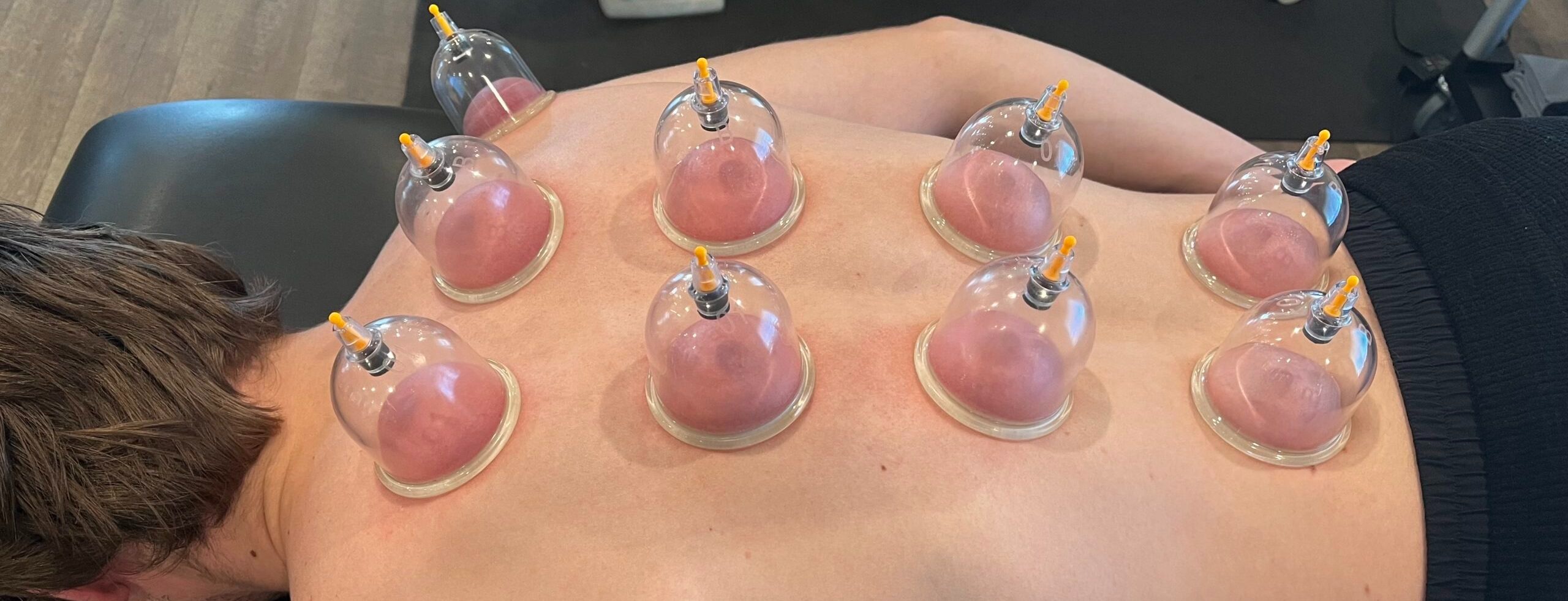
Hijama, also known as wet cupping, is a therapeutic technique where small incisions are made on the skin, and suction cups are applied to draw out stagnant blood and toxins. This practice is mentioned in the Sunnah of the Prophet Muhammad (ﷺ) and is highly recommended for various ailments, including headaches.

How Does Hijama Help with Headaches?

  1. Improves Blood Circulation: By drawing out impure blood, Hijama enhances blood flow, providing fresh oxygen to tissues and relieving tension.
  2. Relieves Muscle Tension: Releases built-up stress and tension in the muscles, which is a common cause of headaches.
  3. Detoxification: Removes toxins from the body, promoting overall health and reducing the frequency of headaches.
  4. Reduces Inflammation: Helps alleviate pain caused by inflammation, particularly in migraine and sinus headaches.
  5. Promotes Relaxation: Encourages the body’s natural healing process and reduces stress.

Hijama Points for Treating Headaches

While it is essential to consult a qualified Hijama practitioner, certain points are commonly targeted for headache relief:

  • Base of the Skull (Occipital Area): Effective for tension and migraine headaches.
  • Upper Back and Shoulders: Releases muscle stiffness that contributes to headaches.
  • Forehead and Temples: Relieves sinus-related and tension headaches.
  • Scalp Area: Enhances blood flow to relieve migraine pain.

What to Expect During a Hijama Session?

  • Consultation: Discuss symptoms and medical history with a certified practitioner.
  • Preparation: Clean and sterilize the cupping area.
  • Application of Cups: Create suction at specific points on the body.
  • Wet Cupping Process: Tiny incisions are made to extract stagnant blood.
  • Aftercare: Application of soothing ointments and advice on proper hydration and rest.

Benefits of Hijama for Headaches

  • Drug-Free Solution: Natural relief without harmful side effects.
  • Long-Term Relief: Regular sessions can reduce the frequency and severity of headaches.
  • Improved Overall Health: Enhances immunity and promotes mental relaxation.

Precautions

  • Always consult a certified Hijama practitioner.
  • Avoid sessions if you have blood disorders or are taking blood-thinning medications.
  • Stay hydrated and rest adequately after each session.

Conclusion

Hijama is a powerful, natural therapy for relieving various types of headaches. By improving blood circulation, detoxifying the body, and promoting relaxation, it offers a holistic approach to healing. For effective Hijama treatment for headaches, visit Ruqya.ca.

Categories
Ruqya Services

Hijama for Sciatica Pain: A Natural and Effective Relief Solution

Sciatica pain is a debilitating condition that affects millions of people worldwide. Characterized by sharp, shooting pain radiating along the sciatic nerve—from the lower back down to the legs—it can significantly impact daily life and mobility. While conventional treatments like medication and physical therapy are commonly used, many individuals are turning to alternative therapies like Hijama (cupping therapy) for relief. In this blog post, we’ll explore how Hijama can help alleviate sciatica pain, its benefits, and what to expect during a session.

What is Sciatica Pain?

Sciatica pain occurs when the sciatic nerve, the longest nerve in the body, becomes compressed or irritated. This can result from a herniated disc, spinal stenosis, or even muscle tightness. Symptoms include:

  • Sharp, burning, or shooting pain along the lower back, buttocks, and legs.
  • Numbness or tingling in the affected leg.
  • Weakness in the leg or foot.
  • Difficulty sitting, standing, or walking for extended periods.

While sciatica pain can resolve on its own, chronic cases often require intervention.

What is Hijama?

Hijama, also known as cupping therapy, is an ancient healing practice that involves placing cups on the skin to create suction. This process helps improve blood circulation, remove toxins, and promote healing. Hijama is deeply rooted in Islamic tradition and is mentioned in several Hadiths as a recommended treatment for various ailments.

How Hijama Helps with Sciatica Pain?

Hijama can be an effective natural remedy for sciatica pain due to its ability to:

Improve Blood Circulation: The suction created by the cups stimulates blood flow to the affected area, reducing inflammation and promoting healing.

Release Muscle Tension: Hijama helps relax tight muscles around the sciatic nerve, alleviating pressure and reducing pain.

Remove Toxins: The therapy draws out stagnant blood and toxins from the body, which can contribute to nerve irritation and pain.

Stimulate Nerve Function: By improving circulation and reducing inflammation, Hijama can help restore normal nerve function and reduce symptoms like numbness and tingling.

Promote Overall Well-Being: Hijama is known to balance the body’s energy and improve overall health, which can indirectly help manage chronic pain conditions like sciatica.

What to Expect During a Hijama Session for Sciatica Pain?

If you’re considering Hijama for sciatica pain, here’s what you can expect:

  1. Consultation: A qualified Hijama practitioner will assess your condition and determine the best placement of the cups. For sciatica pain, cups are typically placed along the lower back, buttocks, and legs.
  2. Preparation: The practitioner will clean the skin and may make small incisions to facilitate the release of stagnant blood.
  3. Cupping: Cups are placed on the skin, and suction is created using a pump or heat. The cups are left in place for 5–15 minutes.
  4. Aftercare: The practitioner will clean the area and provide aftercare instructions, such as avoiding strenuous activity and staying hydrated.

Benefits of Hijama for Sciatica Pain

  • Non-Invasive: Unlike surgery, Hijama is a non-invasive treatment with minimal side effects.
  • Natural Relief: It provides a drug-free alternative to pain management.
  • Holistic Healing: Hijama addresses both the symptoms and underlying causes of sciatica pain.
  • Quick Recovery: Most people experience immediate relief and can resume normal activities shortly after the session.

Precautions and Considerations

While Hijama is generally safe, it’s essential to:

  • Seek treatment from a qualified and experienced practitioner.
  • Inform your practitioner about any medical conditions or medications you’re taking.
  • Follow aftercare instructions to avoid complications.

Conclusion

Sciatica pain can be a challenging condition to live with, but Hijama offers a natural and effective solution for relief. By improving blood circulation, releasing muscle tension, and promoting overall well-being, Hijama can help you regain your mobility and quality of life. If you’re struggling with sciatica pain, consider exploring Hijama as a complementary therapy.

For more information on Hijama and its benefits, visit Ruqya.ca.

Categories
Ruqya Services

Removing Black Magic: Effective Ruqya Solutions

Black magic, also known as Sihr (سحر), is a harmful practice where dark forces and Jinn are employed to cause distress, harm, or destruction in a person’s life. It can affect one’s health, relationships, finances, and mental well-being. Fortunately, Islam provides powerful remedies to combat and remove black magic through Ruqya, a healing method rooted in the Quran and Sunnah. This article will explore the signs of black magic, how it affects individuals, and the proper way to remove it using Ruqya.

What Is Black Magic (Sihr)?

Black magic refers to the use of evil practices aimed at influencing or harming a person through the aid of Jinn and dark rituals. It is strictly forbidden in Islam and is considered a grave sin. Those afflicted by black magic often suffer from unexplained illnesses, emotional turmoil, or severe disruptions in various aspects of life.

Signs of Black Magic

Recognizing the symptoms of black magic is the first step toward seeking healing. Common signs include:

  • Physical Symptoms: Persistent headaches, nausea, body pain, and unexplained illnesses with no medical diagnosis.
  • Mental Symptoms: Depression, sudden anger, anxiety, memory loss, and confusion.
  • Emotional Symptoms: Extreme sadness, suicidal thoughts, fearfulness, or feeling disconnected from loved ones.
  • Spiritual Symptoms: Difficulty praying, avoiding religious duties, discomfort when hearing the Quran, or seeing frightening dreams.
  • Financial and Relationship Issues: Sudden loss of wealth, family disputes, and broken relationships without logical reasons.

How Black Magic Affects Individuals?

Black magic can harm a person in various ways, including:

  • Blockages in Marriage: Constant rejection or breakdown of marriage proposals.
  • Health Problems: Recurring illnesses or pain that do not respond to medical treatment.
  • Mental Control: Influencing thoughts, dreams, and perceptions to cause fear or emotional instability.
  • Work and Financial Struggles: Unexpected loss of income, job issues, or financial ruin.

Removing Black Magic Through Ruqya

Ruqya is the most effective method to remove black magic. It involves using Quranic verses and prophetic supplications to seek Allah’s help and protection. Here’s how to perform Ruqya:

  1. Strengthen Faith and Tawheed (Belief in Allah): Firm belief that only Allah can cure and protect from harm.
  2. Recite Quranic Verses:
    • Surah Al-Falaq (113)
    • Surah An-Nas (114)
    • Ayat-ul-Kursi (Surah Al-Baqarah 2:255)
    • Surah Al-Baqarah (2:102)
  3. Blow Over Water and Olive Oil: After reciting the verses, blow gently over water or olive oil. Use this for drinking, bathing, or massaging.
  4. Adopt Regular Adhkar (Supplications): Ensure morning and evening supplications are recited daily for protection.
  5. Consult a Trusted Ruqya Practitioner: If symptoms persist, seek help from a qualified individual who practices Ruqya according to the Quran and Sunnah.

Preventing Black Magic

Prevention is better than cure. To protect oneself from black magic, follow these guidelines:

  • Maintain regular prayers and acts of worship.
  • Recite morning and evening adhkar.
  • Avoid environments or objects associated with shirk (associating partners with Allah).
  • Regularly play Surah Al-Baqarah in the home.

Conclusion

Removing black magic requires faith, patience, and consistent application of Ruqya. While black magic is a serious matter, Allah’s power and mercy are far greater. By turning to Him sincerely, protection and healing are assured.

For professional Ruqya assistance and guidance, visit Ruqya.ca, where experienced practitioners provide authentic healing solutions.

Categories
Ruqya Services

Jinn Ashiq: Understanding & Healing Through Ruqya

The concept of Jinn Ashiq, or a Jinn falling in love with a human, is a fascinating yet complex topic rooted in Islamic spirituality. While it may sound like something out of folklore, many individuals have reported experiences that suggest the presence of a Jinn Ashiq in their lives. This phenomenon can lead to emotional, mental, and even physical disturbances if not addressed properly. In this blog post, we’ll explore what Jinn Ashiq is, its signs, causes, and how to deal with it effectively using Islamic teachings and Ruqya.

What is Jinn Ashiq?

Jinn Ashiq refers to a situation where a Jinn develops an obsessive attachment or romantic feelings toward a human. This attachment can manifest in various ways, often causing distress to the affected individual. According to Islamic teachings, Jinn are beings created from smokeless fire, and like humans, they have free will and emotions. However, their interactions with humans are generally discouraged, as they can lead to harm and spiritual imbalance.

Signs of Jinn Ashiq

If you suspect the presence of a Jinn Ashiq in your life, here are some common signs to look out for:

  1. Unexplained Emotional Attachment: Feeling an intense, irrational connection to someone or something that doesn’t make sense.
  2. Recurring Dreams: Frequent dreams of a mysterious figure or romantic encounters with an unknown entity.
  3. Mood Swings: Sudden and extreme changes in emotions, such as unexplained sadness, anger, or infatuation.
  4. Physical Sensations: Feeling touched, hugged, or kissed without any physical cause.
  5. Obsessive Thoughts: Constant thoughts about a specific person or entity, even when you try to focus on other things.
  6. Resistance to Spiritual Practices: Feeling uneasy or experiencing negative reactions during Quran recitation or Ruqya sessions.

Causes of Jinn Ashiq

Several factors can contribute to the occurrence of Jinn Ashiq:

  1. Spiritual Vulnerability: A weak connection with Allah or lack of regular worship can make a person more susceptible to Jinn interference.
  2. Black Magic or Sihr: Jinn Ashiq is often linked to witchcraft or spells cast by someone with malicious intentions.
  3. Emotional Weakness: Loneliness, heartbreak, or emotional distress can attract Jinn who exploit these feelings.
  4. Unintentional Invitations: Engaging in activities like visiting haunted places, playing with Ouija boards, or dabbling in occult practices can invite Jinn into your life.

How to Deal with Jinn Ashiq?

Dealing with Jinn Ashiq requires a combination of spiritual strength, consistency, and professional guidance. Here are some effective methods:

  1. Ruqya Sharia: Recite Quranic verses and supplications specifically designed to expel Jinn. Surah Al-Baqarah, Ayatul Kursi, and Surah Al-Jinn are mighty.
  2. Seek Professional Help: Consult a qualified Islamic scholar or Ruqya practitioner specialising in dealing with Jinn-related issues.
  3. Strengthen Your Faith: Increase your worship, perform regular prayers, and engage in dhikr (remembrance of Allah) to weaken the Jinn’s influence.
  4. Avoid Sinful Practices: Repent for past sins and avoid actions that invite negative energy, such as black magic or engaging in harmful rituals.
  5. Protective Measures: Recite daily adhkar (morning and evening supplications).

Preventing Jinn Ashiq

To protect yourself from Jinn Ashiq or similar spiritual disturbances:

  • Maintain a strong connection with Allah through regular worship and Quran recitation.
  • Avoid places or practices associated with black magic or Jinn summoning.
  • Surround yourself with positive energy by keeping your home spiritually clean and free from haram activities.
  • Seek refuge in Allah by reciting protective duas, such as “A’udhu billahi min ash-shaytan ir-rajim” (I seek refuge in Allah from Satan, the accursed).

Conclusion

Jinn Ashiq is a serious spiritual issue that can disrupt your emotional and mental well-being. However, with the right knowledge and approach, it can be effectively addressed. By strengthening your faith, seeking professional help, and consistently practicing Ruqya, you can overcome the influence of a Jinn Ashiq and restore balance to your life.

If you’re experiencing symptoms of Jinn Ashiq or other spiritual disturbances, don’t hesitate to reach out to trusted practitioners or scholars for guidance. For more information on Ruqya and spiritual healing, visit Ruqya.ca.

Categories
Ruqya Services

Stubborn Jinn: Understanding & Overcoming Their Influence

The concept of Jinn has always been a fascinating yet serious subject in Islamic teachings. Among the various types of Jinn, stubborn Jinn are particularly challenging to deal with due to their persistent and malevolent nature. This article will explore what stubborn Jinn are, signs of their presence, and how to effectively combat them using Ruqya and other Islamic practices.

What Are Stubborn Jinn?

Stubborn Jinn is particularly resistant to leaving a person they have afflicted. They are often deeply rooted and may have been sent as part of sihr (black magic), envy, or other malevolent intentions. Unlike regular Jinn, these entities tend to resist all efforts to drive them away, making their removal a more difficult process.

Signs of Stubborn Jinn Presence

Recognizing the presence of a stubborn Jinn can be challenging but essential for proper treatment. Common signs include:

  • Persistent nightmares and terrifying dreams.
  • Chronic health issues without medical explanations.
  • Unusual, irrational anger or depression.
  • Unexplained physical pain or pressure, especially during prayer or listening to Quranic recitation.
  • Feelings of being watched or followed.
  • Experiencing extreme heaviness in the chest or sudden mood changes.

If these symptoms are recurrent and have no apparent medical cause, seeking help through Ruqya is crucial.

How Stubborn Jinn Are Afflicted?

Stubborn Jinn may be involved in cases of possession, sihr (black magic), or attachment due to envy or anger. In some cases, they are deliberately sent by a sorcerer, making their removal particularly difficult.

They may also establish a stronghold within a person’s body or environment, resisting attempts to be expelled through traditional healing methods.

The Power of Ruqya Against Stubborn Jinn

Ruqya, the practice of reciting specific Quranic verses and supplications, is a powerful tool against stubborn Jinn. Key practices include:

  • Reciting Ayat-ul-Kursi (Surah Al-Baqarah 2:255) regularly.
  • Reciting the last two verses of Surah Al-Baqarah (2:285-286) before sleeping.
  • Regularly reciting Surah Al-Falaq (113) and Surah An-Nas (114) for protection and healing.
  • Using Zamzam water, honey, and olive oil treated with Quranic recitations.

Practical Steps to Combat Stubborn Jinn

  1. Strengthen Your Faith: The stronger your connection to Allah (SWT), the more difficult it becomes for Jinn to influence you.
  2. Seek Professional Ruqya Help: If the symptoms persist, consult a reputable Ruqya practitioner.
  3. Maintain Regular Prayers: Performing the five daily prayers with khushu’ (focus and humility) is essential.
  4. Adopt a Clean Lifestyle: Ensure that your environment is free from sins and negative influences.
  5. Recite Quran Regularly: Surround yourself with the recitation of the Quran to create an inhospitable environment for stubborn Jinn.

Conclusion

Dealing with stubborn Jinn can be a long and exhausting process, but with patience, strong faith, and proper application of Ruqya, healing is possible. Always turn to Allah (SWT) for help and never lose hope, even if the struggle feels overwhelming. If you believe you are afflicted by a stubborn Jinn, seek guidance from experienced Ruqya practitioners and strengthen your spiritual connection.

For more information on effective Ruqya practices and healing, visit Ruqya.ca.

Categories
Uncategorized

Unlocking the Secrets of Ruqya: Faith-Based Healing in Action

What is Ruqya?

Ruqya is an Islamic spiritual healing practice that involves the recitation of Quranic verses and supplications to seek protection, cure illnesses, and remove spiritual ailments. Its origin is deeply rooted in the teachings of Islam, dating back to the time of the Prophet Muhammad ﷺ, who encouraged its use as a means of relying on Allah’s power for healing.

Historical Significance of Ruqya

Ruqya holds a significant place in Islamic history, tracing back to the early days of the Prophet Muhammad ﷺ. It was widely practiced as a means of invoking Allah’s help in overcoming physical and spiritual challenges. The Prophet ﷺ himself performed Ruqya for his companions and encouraged its use for those afflicted by illnesses or spiritual harm.

The practice was not only a source of healing but also a reaffirmation of faith in Allah’s omnipotence. Stories of companions recovering from ailments after Ruqya reinforce its importance. For example, the use of Surah Al-Fatihah as a cure, as narrated in several hadiths, highlights its role as a healing method approved by the Prophet ﷺ.


Types of Ruqya

1. Ruqya for Physical Ailments

Ruqya is commonly used to address physical conditions such as unexplained illnesses, chronic pain, or fatigue. Specific Quranic verses, such as Ayat Al-Kursi and Surah Al-Falaq, are recited with the intention of seeking Allah’s mercy and healing.

2. Ruqya for Spiritual Healing

Many Muslims turn to Ruqya for protection from the unseen, including harm from jinn or the evil eye (ayn). This aspect of Ruqya emphasizes seeking refuge in Allah, who is the ultimate protector. Regular recitation of verses like Surah An-Nas and Surah Al-Falaq acts as a shield against such harm.

3. Ruqya for Protection

Preventive Ruqya involves reciting Quranic verses and supplications to safeguard oneself and loved ones from potential harm. It is a common practice in households, especially before embarking on journeys or significant life events.


The Science Behind Ruqya

Understanding Ruqya through Psychology

From a psychological perspective, Ruqya can have a calming effect on the mind. The repetitive recitation of Quranic verses helps reduce stress and anxiety, offering a meditative experience that promotes mental clarity and focus.

Spiritual Energy and Vibrations

Some scholars highlight the concept of vibrations associated with the recitation of Quranic verses. These vibrations, coupled with the believer’s intent and faith, are thought to influence the spiritual state of the afflicted person, promoting healing and well-being.


Role of Faith in Ruqya

Faith is a cornerstone of Ruqya. Without belief in Allah’s ability to heal, the effectiveness of Ruqya diminishes. The process emphasizes tawakkul (trust in Allah), encouraging individuals to turn to Him as the ultimate source of help and healing.


Quranic Verses in Ruqya

Key Quranic Chapters Used in Ruqya

Certain chapters of the Quran are central to Ruqya practices, including:

  • Surah Al-Fatihah: Known as the “Opening,” it is recited for its comprehensive blessings and healing.
  • Ayat Al-Kursi (2:255): A verse of immense power, it is widely recited for protection and spiritual strength.
  • Surah Al-Falaq and Surah An-Nas: Known as the “Mu’awwidhatayn,” these two chapters are specifically for seeking refuge from harm.

Explanation of Their Relevance

Each verse or chapter holds a specific significance, with its recitation acting as a means of seeking divine intervention. These verses emphasize Allah’s mercy, power, and role as the ultimate healer.


Sunnah and Ruqya

Authentic Practices of the Prophet ﷺ

The Prophet ﷺ provided guidance on performing Ruqya, emphasizing sincerity and adherence to Islamic principles. He discouraged the use of unfamiliar languages or practices that may lead to shirk (associating partners with Allah).

Differentiating Between Sunnah and Cultural Additions

Over time, cultural practices have been incorporated into Ruqya, sometimes diverging from its original form. Authentic Ruqya must align with the Quran and Sunnah, avoiding superstitions or non-Islamic rituals.


Who Can Perform Ruqya?

Qualifications of a Raqi

A Raqi, or someone who performs Ruqya, must have strong faith, deep knowledge of the Quran and Sunnah, and pure intentions. They must also avoid any practices that contradict Islamic teachings.

Self-Ruqya Guidelines

Self-Ruqya is encouraged, allowing individuals to take an active role in their healing. Steps include:

  1. Maintaining a state of purity.
  2. Reciting prescribed Quranic verses with sincerity.
  3. Trusting in Allah’s healing power.

FAQs on Ruqya

  1. What is Ruqya in Islam?
    Ruqya is a spiritual practice involving Quranic recitation to heal and protect from physical and spiritual harm.
  2. Can anyone perform Ruqya?
    Yes, with the right intentions and adherence to Islamic principles, anyone can perform Ruqya for themselves or others.
  3. What are the main Quranic verses used in Ruqya?
    Key verses include Ayat Al-Kursi (2:255), Surah Al-Fatihah, and the Mu’awwidhatayn (Surah Al-Falaq and Surah An-Nas).
  4. Is Ruqya effective for mental health issues?
    Ruqya, combined with medical treatment, can provide emotional relief and spiritual comfort for mental health challenges.
  5. How often should Ruqya be performed?
    There is no fixed frequency; it depends on individual needs. Some perform it daily as a preventive measure.
  6. Are there any risks involved with Ruqya?
    Authentic Ruqya poses no risks, but it’s essential to avoid practitioners who incorporate un-Islamic elements.

Conclusion

Ruqya is a profound spiritual healing practice that blends faith, devotion, and the power of Quranic verses to address physical, emotional, and spiritual challenges. Rooted in the Sunnah of the Prophet ﷺ, it serves as a reminder of Allah’s mercy and the importance of turning to Him in times of need. By adhering to its authentic principles, Ruqya remains a source of hope and healing for Muslims worldwide.

Categories
Uncategorized

From Detox to Deep Relaxation: The Transformative Benefits of Holistic Hijama

Holistic Hijama, commonly known as cupping therapy, is an ancient healing practice that has gained immense popularity in modern wellness routines. Rooted in traditional medicine, this technique is renowned for its potential to address a variety of physical and emotional ailments. In this guide, we’ll explore everything you need to know about Holistic Hijama, its history, benefits, techniques, and why it’s becoming a sought-after alternative treatment in the world of holistic health.

What is Holistic Hijama?

Hijama, derived from the Arabic word “Hajm,” means sucking or drawing out. This refers to the process of applying cups to the skin to create suction, which helps to remove toxins, improve blood flow, and promote healing. Unlike conventional medicine, Holistic Hijama views the body as an interconnected system, focusing on restoring balance and addressing the root causes of ailments rather than just alleviating symptoms.

The History of Hijama Therapy

Hijama has a rich history dating back thousands of years. It was practiced by ancient civilizations, including the Egyptians, Chinese, and Greeks, with records showing its use as early as 1550 BCE. Islamic traditions further popularized the practice, with Prophet Muhammad (peace be upon him) recommending it for maintaining health and treating various conditions.

In modern times, the practice has evolved into a holistic wellness therapy, blending ancient techniques with contemporary approaches.

Types of Holistic Hijama

Holistic Hijama can be categorized into various types, each tailored to specific needs and preferences:

  1. Dry Cupping: This involves creating suction without making any incisions on the skin, primarily to improve blood flow and relieve tension.
  2. Wet Cupping: Also known as bloodletting Hijama, this method involves making small incisions on the skin to draw out stagnant or “impure” blood.
  3. Massage Cupping: Cups are moved along the skin to create a massage-like effect, offering relaxation and pain relief.
  4. Fire Cupping: A traditional technique where fire is used to create suction within the cup before application.

How Does Hijama Work?

The process of Holistic Hijama revolves around the principle of suction therapy. Here’s how it works:

  1. Preparation: The practitioner cleanses the targeted area and selects the appropriate type of Hijama.
  2. Application: Cups are placed on the skin, creating a vacuum through manual or mechanical suction.
  3. Suction: This process stimulates blood flow, encourages lymphatic drainage, and releases built-up toxins.
  4. Post-Treatment Care: The practitioner applies antiseptic to the treated area to prevent infection and promote healing.

The Science Behind Hijama Therapy

While Hijama is rooted in traditional beliefs, modern science has begun to acknowledge its therapeutic benefits. Studies suggest that the suction created during Hijama can:

  • Improve blood circulation: This facilitates the delivery of oxygen and nutrients to tissues.
  • Reduce inflammation: Hijama may help alleviate chronic pain caused by inflammation.
  • Detoxify the body: Wet cupping, in particular, removes stagnant blood, which may carry toxins and impurities.
  • Enhance immune response: Stimulating certain points can activate the body’s natural defense mechanisms.

Benefits of Holistic Hijama

Holistic Hijama offers a myriad of benefits, making it a versatile therapy for overall well-being. Below are some of its most notable advantages:

1. Pain Relief

Hijama is widely recognized for its ability to relieve pain, especially in the neck, back, and joints. It’s often recommended for conditions like arthritis, migraines, and muscle stiffness.

2. Detoxification

By removing impurities from the blood, Hijama supports the body’s natural detoxification processes, helping individuals feel rejuvenated and energized.

3. Stress and Anxiety Management

The therapeutic process of Hijama, particularly massage cupping, promotes relaxation and reduces stress hormones, making it effective for managing anxiety.

4. Boosts Immune System

Hijama stimulates the immune system by promoting the production of white blood cells, enhancing the body’s ability to fight infections.

5. Skin Health

Improved blood circulation from Hijama can result in healthier skin, reducing conditions like acne, eczema, and psoriasis.

6. Digestive Health

Hijama can help address digestive issues by stimulating key pressure points that regulate the digestive system.

7. Hormonal Balance

For women, Hijama can assist in managing menstrual irregularities and improving hormonal balance.

Key Areas for Hijama Therapy

Hijama therapy can target specific areas depending on the condition being treated. Common sites include:

  • Upper back: For respiratory issues and detoxification.
  • Lower back: For kidney and reproductive health.
  • Head and neck: For migraines, tension headaches, and stress relief.
  • Legs: For varicose veins and improving blood circulation.

Who Can Benefit from Hijama?

Holistic Hijama is suitable for a wide range of individuals, including those dealing with:

  • Chronic pain conditions.
  • Stress and anxiety.
  • Sports injuries.
  • Digestive disorders.
  • Post-surgical recovery.

However, it’s essential to consult a qualified practitioner to determine if Hijama is right for you.

Precautions and Risks

While Hijama is generally safe, certain precautions should be observed:

  • Ensure that the procedure is performed by a certified practitioner.
  • Avoid Hijama if you have open wounds, skin infections, or blood clotting disorders.
  • Pregnant women should consult their healthcare provider before undergoing Hijama.

Preparing for a Hijama Session

To maximize the benefits of Hijama therapy:

  1. Stay Hydrated: Drink plenty of water before and after the session.
  2. Fast: It’s recommended to fast for 2–3 hours prior to the procedure.
  3. Wear Comfortable Clothing: Opt for loose-fitting attire for easy access to target areas.

Aftercare Tips

Post-treatment care is crucial to ensure a smooth recovery:

  • Avoid strenuous activities for at least 24 hours.
  • Refrain from consuming processed foods and alcohol.
  • Keep the treated area clean and moisturized to prevent irritation.

The Spiritual Dimension of Hijama

For many, Hijama is more than a physical therapy; it’s a spiritual experience. Rooted in Islamic traditions, Hijama is believed to cleanse both the body and soul, promoting a sense of spiritual balance and clarity.

Why Choose Holistic Hijama?

In an era dominated by synthetic medications and invasive treatments, Holistic Hijama offers a natural, safe, and effective alternative for improving health and well-being. Its ability to address both physical and emotional concerns makes it a valuable addition to any wellness routine.

Conclusion

Holistic Hijama is a time-honored therapy that blends ancient wisdom with modern health practices. By addressing the root causes of ailments, it provides a holistic approach to healing that extends beyond the physical realm. Whether you’re seeking pain relief, detoxification, or spiritual balance, Hijama can be a transformative journey toward optimal health. Always remember to consult a certified practitioner to ensure a safe and effective experience.