
Author: ruqya

  • Combining Hijama & Ruqya for Holistic Healing: Mind, Body & Soul

    Combining Hijama & Ruqya for Holistic Healing: Mind, Body & Soul

    Combining Hijama & Ruqya for Holistic Healing: Mind, Body & Soul

    Topics Covered

    • Understanding Hijama and Ruqya

    • Why Combine Hijama and Ruqya?

    • The Connection Between Physical and Spiritual Healing

    • How Hijama Complements Ruqya

    • Step-by-Step: What a Combined Session May Look Like

    • Benefits of Integrating Hijama and Ruqya

    • Aftercare and Spiritual Maintenance

    • FAQs

    Understanding Hijama and Ruqya

    Hijama (cupping therapy) and Ruqya (Qur’anic spiritual healing) are two Sunnah-based practices that address different yet interconnected aspects of human health, the physical and the spiritual.

    • Hijama works by improving blood circulation, removing toxins, and rebalancing the body’s internal systems.

    • Ruqya, on the other hand, involves the recitation of Qur’anic verses and supplications to cleanse the soul, protect against negative energies, and seek Allah’s healing.

    When these two are practiced together under proper guidance, they create a powerful, holistic healing experience, one that rejuvenates the mind, body, and soul.

    At Serene Hijama Ruqya, both treatments are performed in a safe, spiritual, and professional environment across Mississauga, Milton, Oakville, and surrounding areas.

    Why Combine Hijama and Ruqya?

    The human being is not just a body, but a soul encased in flesh. True healing must, therefore, address both physical and spiritual dimensions.

    Many people experience issues that have spiritual roots but physical symptoms, such as:

    • Persistent fatigue or body pain without a medical explanation

    • Unexplained sadness or anxiety

    • Sleeplessness and disturbing dreams

    • Emotional heaviness or lack of motivation

    In such cases, Hijama alone might relieve the physical tension, but Ruqya addresses the underlying spiritual imbalance.
    Combining the two brings a complete form of healing, grounded in both faith and wellness.

    The Connection Between Physical and Spiritual Healing

    Islam recognizes the deep connection between body and soul. When one suffers, the other often feels the impact.

    For example:

    • Emotional distress can manifest as physical fatigue.

    • Spiritual blockages can lead to a lack of motivation or illness.

    • Unresolved negative energy can weaken the body’s natural defense.

    Hijama helps remove physical toxins, while Ruqya cleanses spiritual impurities. Together, they strengthen the individual’s overall well-being, restoring harmony between the heart, mind, and body.

    How Hijama Complements Ruqya?

    Ruqya involves recitation and spiritual cleansing, while Hijama focuses on detoxification and blood circulation. When performed together or in sequence, the benefits multiply.

    1. Physical Detox Enables Spiritual Clarity

    Hijama removes stagnant blood and improves oxygen flow, making the body more receptive to spiritual energy.
    After Hijama, many clients report feeling calmer, clearer, and more connected during Ruqya sessions.

    2. Spiritual Cleansing Enhances Physical Healing

    Ruqya removes the unseen causes of discomfort, such as evil eye (ayn), black magic (sihr), or negative energy, that may block the body’s natural healing process.

    3. Emotional Release

    The combination often triggers emotional release, crying, deep relaxation, or a sense of peace, which signals healing on both levels.

    Step-by-Step: What a Combined Session May Look Like

    Each practitioner may adjust the process based on your needs, but a combined Hijama and Ruqya session typically follows this flow:

    1. Consultation & Intention (Niyyah)

    The session starts with a consultation about physical symptoms and emotional or spiritual concerns.
    Both the client and practitioner set a sincere intention, seeking healing through Allah’s words and Prophetic practice.

    2. Ruqya Recitation

    The practitioner begins with reciting Qur’anic verses such as Surah Al-Fatiha, Ayatul Kursi, Al-Falaq, and An-Nas.
    This helps calm the heart, repel negativity, and prepare the body spiritually for Hijama.

    3. Hijama (Cupping Therapy)

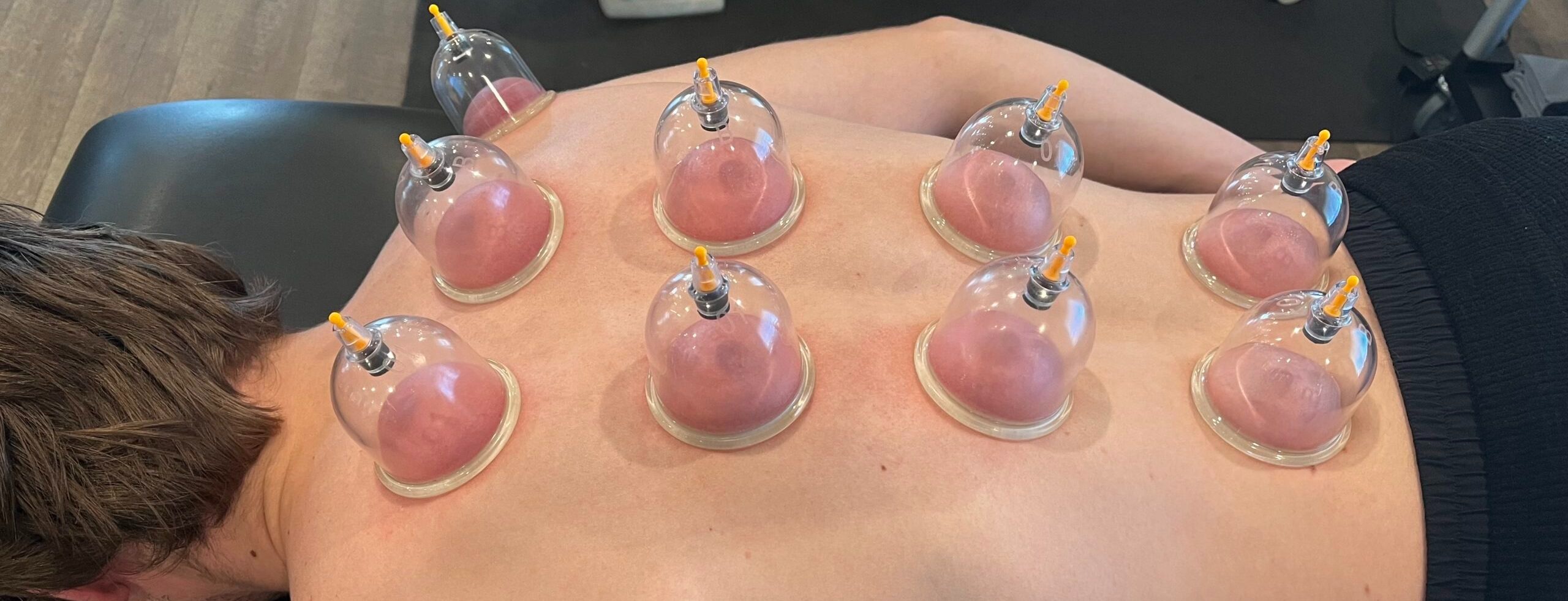
    After the Ruqya, cups are applied to specific body points, often the back, neck, and shoulders, to extract toxins and stagnant blood.
    As the physical tension is released, the body aligns with the spiritual purification happening through Ruqya.

    4. Closing Dua

    The session ends with dua and dhikr (remembrance of Allah). Olive oil or Ruqya water may be used to anoint certain areas or for continued self-care at home.

    5. Duration

    A complete combined session usually lasts 60 to 90 minutes, allowing both body and spirit to rest and heal.

    Benefits of Integrating Hijama and Ruqya

    When practiced together, Hijama and Ruqya offer multi-dimensional healing benefits that go beyond physical relief.

    1. Deep Spiritual Cleansing

    Ruqya helps eliminate the effects of evil eye, sihr, and negative energies, restoring spiritual balance and inner peace.

    2. Detoxification and Circulation

    Hijama removes impurities from the blood, enhances immunity, and relieves chronic pain, inflammation, and fatigue.

    3. Emotional and Mental Clarity

    Many experience emotional release during or after the session, feeling lighter, calmer, and more positive.

    4. Strengthened Faith (Iman)

    The process strengthens trust in Allah’s power, reminding the believer that all healing comes from Him alone.

    5. Overall Holistic Balance

    By cleansing both physical and spiritual systems, the person experiences wholeness, a harmony between body, soul, and mind.

    Aftercare and Spiritual Maintenance

    Healing doesn’t stop after the session; it continues through daily habits and faith.
    To maintain results, here are some essential aftercare tips:

    • Drink plenty of water or Ruqya water to flush out toxins.

    • Rest for at least 24 hours after Hijama.

    • Continue daily Qur’an recitation and dhikr.

    • Perform Salah regularly and seek forgiveness (istighfar).

    • Avoid environments or media that bring negative energy.

    • Recite Ayatul Kursi and Surah Al-Baqarah in your home frequently.

    With consistency, the effects of Hijama and Ruqya become lasting, strengthening both physical vitality and spiritual resilience.

    FAQs About Combining Hijama and Ruqya

    1. Can Hijama and Ruqya be done on the same day?
    Yes, they can be done together in the same session or on consecutive days. It depends on your energy level and the practitioner’s advice.

    2. Is the combination safe for everyone?
    Yes, when done by trained and certified practitioners using hygienic tools. However, people with medical conditions should consult their doctor first.

    3. What results can I expect?
    Most people report feeling lighter, calmer, and more energetic, with improved focus, better sleep, and spiritual clarity.

    4. How often should I do it?
    For general well-being, once every 3–6 months is ideal. Those with chronic or recurring issues may benefit from more regular sessions.

    5. Is this practice based on Islam?
    Yes, both Hijama and Ruqya are authentic Sunnah practices rooted in the teachings of the Prophet Muhammad ﷺ.

    Final Thoughts

    Combining Hijama and Ruqya brings together two sacred healing practices, one cleansing the body, the other purifying the soul.
    It’s a reminder that true healing comes from Allah, and that wellness is not just the absence of illness but the presence of peace, faith, and balance.

    If you’re seeking a holistic healing experience that nurtures your mind, body, and soul, visit Serene Hijama Ruqya, serving Mississauga, Milton, Oakville, and Toronto, where both therapies are offered with care, professionalism, and spiritual sincerity.
    About the Author: This article was written and reviewed by the clinical team at ruqya.ca, certified practitioners with years of hands-on experience in traditional Ruqya (Islamic spiritual healing) and holistic wellness practices. Our team ensures that all content adheres to authentic Prophetic traditions while maintaining modern standards of clinical safety and psychological support.

    Last reviewed: May 2026 | Disclaimer: This content is for informational and spiritual guidance purposes and does not replace professional medical or psychiatric advice.

  • What to Expect Before, During & After a Hijama Session?

    What to Expect Before, During & After a Hijama Session?

    What to Expect Before, During & After a Hijama Session?

    Topics Covered

    • What is Hijama (Cupping Therapy)?

    • Preparing for a Hijama Session

    • What Happens During a Hijama Session?

    • What to Expect After Hijama

    • Common Reactions and Recovery

    • Aftercare Tips for the Best Results

    • FAQs

    What is Hijama (Cupping Therapy)?

    Hijama, also known as cupping therapy, is a traditional healing method practiced for centuries in various cultures, and more importantly, it is a Prophetic Sunnah recommended by the Prophet Muhammad ﷺ.

    The process involves applying cups to specific points on the body to create suction, which draws out stagnant blood, toxins, and impurities from beneath the skin.
    This improves circulation, reduces pain, and helps the body restore its natural balance.

    At Serene Hijama Ruqya, Hijama therapy in Mississauga and Milton is performed using sterile, single-use equipment under the guidance of trained practitioners, ensuring safety, comfort, and authenticity.

    Preparing for a Hijama Session

    Proper preparation can make a significant difference in your Hijama experience. The goal is to ensure your body and mind are in the best state for healing.

    1. Make the Right Intention (Niyyah)

    Begin with a sincere intention that you are seeking healing and purification through a Sunnah practice for the sake of Allah.
    A pure intention enhances both the physical and spiritual benefits of Hijama.

    2. Fasting or Light Eating

    Traditionally, it’s recommended to avoid eating for at least 2–3 hours before the session.
    A light stomach helps blood circulation and ensures better detoxification. However, don’t arrive completely weak; a small meal or light snack earlier in the day is fine.

    3. Stay Hydrated

    Drink plenty of water and herbal tea before your appointment. Hydration supports blood flow and helps the body flush out toxins afterward.

    4. Rest Well

    Get a good night’s sleep before your session. A relaxed and rested body responds better to treatment.

    5. Avoid Caffeine or Energy Drinks

    Try to limit caffeine or heavy stimulants before Hijama, as they can increase your heart rate and sensitivity during suction.

    What Happens During a Hijama Session?

    A professional Hijama session is a calm, private, and respectful experience.
    Here’s what typically happens step by step:

    1. Consultation and Assessment

    Your therapist will begin with a short consultation, asking about your health, lifestyle, and the reasons for seeking Hijama.
    This helps determine the appropriate points on your body, often along the back, shoulders, neck, or legs, based on your condition.

    2. Cleansing and Marking

    The skin is cleaned thoroughly with antiseptic wipes, and cup points are gently marked. Hygiene is a top priority; all cups, blades, and gloves are single-use and sterile.

    3. Applying the Cups

    The therapist uses a hand pump or vacuum cups to create suction on the skin. You’ll feel a tight, pulling sensation, but it’s not painful.
    This step, called dry cupping, stimulates circulation and draws stagnant blood toward the surface.

    4. Controlled Incisions (Wet Cupping)

    After a few minutes, the cups are removed, and tiny, superficial incisions are made using a sterile blade.
    The cups are then reapplied to draw out a small amount of blood, which carries toxins, waste, and trapped impurities.

    5. Completion and Cleansing

    Once the process is complete, the therapist removes the cups and cleans the area using an antiseptic.
    An herbal or black seed oil may be gently applied to soothe the skin and aid healing.

    6. Duration

    A full session usually lasts 30 to 60 minutes, depending on the number of cupping points and the individual’s condition.

    What to Expect After Hijama?

    After Hijama, your body enters a natural detox and recovery phase. This is when the healing process truly begins.

    1. Mild Fatigue or Lightheadedness

    You may feel a little tired or dizzy; that’s normal. It’s the body’s way of adjusting after the release of toxins.

    2. Circular Marks or Mild Bruising

    These marks are a result of suction and are completely harmless. They usually fade within 3 to 7 days and vary depending on the level of stagnation in your blood.

    3. Feeling Lighter or More Relaxed

    Many people describe an immediate sense of lightness, calm, and mental clarity after Hijama, as if a weight has been lifted from the body.

    4. Improved Sleep and Energy

    Because circulation improves and stress is reduced, you may notice better sleep, less pain, and more energy in the following days.

    Common Reactions and Recovery

    Hijama triggers the body’s self-healing response, which may involve temporary changes. Here’s what’s common:

    • Slight soreness or sensitivity at cupping points

    • Minor itching or redness as skin heals

    • Temporary increase in urination or bowel movement, a sign of detox

    • Mild emotional release or calmness

    These effects are short-lived and usually disappear within 24–48 hours.

    Aftercare Tips for the Best Results

    Your post-session care plays a vital role in maximizing the benefits of Hijama.

    1. Rest and Hydrate

    Drink lots of water and natural juices to help the body flush out impurities. Avoid strenuous activity or exercise for at least 24 hours.

    2. Avoid Hot Showers

    Wait at least 24 hours before taking a hot bath or sauna. Warm water can irritate freshly cupped skin.

    3. Keep the Area Clean

    Avoid touching or scratching the treated spots. If you notice mild itching, apply natural oils like olive or black seed oil.

    4. Eat Healthy Foods

    Choose light, wholesome meals, fruits, vegetables, and soups. Avoid fried, spicy, or heavy foods right after the session.

    5. Maintain Sunnah Routine

    It’s recommended to do Hijama on the Sunnah days, the 17th, 19th, or 21st of the Islamic lunar month, for maximum blessings and spiritual reward.

    For safe and professional Hijama sessions following Prophetic guidelines, you can visit Serene Hijama Ruqya, serving Mississauga, Milton, Oakville, and surrounding areas.

    FAQs About Hijama Sessions

    1. Does Hijama hurt?
    Most people describe the feeling as mild pressure or tightness. The small cuts in wet cupping are barely noticeable and cause minimal discomfort.

    2. How often should I do Hijama?
    For general wellness, once every 3 to 6 months is ideal. Those with chronic conditions may benefit from more frequent sessions as advised by the therapist.

    3. Can women do Hijama?
    Yes. Hijama is safe for women (except during menstruation or the first trimester). It can help with fatigue, migraines, hormonal balance, and emotional health.

    4. Can I exercise after Hijama?
    It’s best to avoid physical exertion for at least 24 hours to allow the body to recover.

    5. Is Hijama safe for everyone?
    Hijama is safe when performed by trained professionals using hygienic tools. However, individuals with bleeding disorders or serious medical conditions should consult their doctor first.

    Final Thoughts

    Hijama is more than just a therapy; it’s a spiritual and physical detox that brings balance, relief, and renewal.
    Knowing what to expect before, during, and after the session helps you prepare mentally and physically, ensuring a safe and fulfilling experience.

    At Serene Hijama Ruqya, each session is performed with sincerity, care, and adherence to the Sunnah, offering a pathway to true healing and tranquility.

    About the Author: This article was written and reviewed by the clinical team at ruqya.ca, certified practitioners with years of hands-on experience in traditional Ruqya (Islamic spiritual healing) and holistic wellness practices. Our team ensures that all content adheres to authentic Prophetic traditions while maintaining modern standards of clinical safety and psychological support.

    Last reviewed: May 2026 | Disclaimer: This content is for informational and spiritual guidance purposes and does not replace professional medical or psychiatric advice.

  • How Does Ruqya Work & What Are the Steps?

    How Does Ruqya Work & What Are the Steps?

    How Does Ruqya Work & What Are the Steps?

    Topics Covered

    • What is Ruqya?

    • The Spiritual Meaning Behind Ruqya

    • How Does Ruqya Work?

    • Types of Ruqya: Ruqya Shariyah vs. Non-Shariyah

    • Step-by-Step Process of Ruqya Healing

    • What to Expect During a Ruqya Session

    • Aftercare and Spiritual Maintenance

    • FAQs

    What is Ruqya?

    Ruqya is an Islamic spiritual healing practice that uses Qur’anic recitation and supplications (duas) to seek Allah’s protection and healing from spiritual ailments, such as evil eye (ayn), black magic (sihr), and jinn possession.

    Unlike cultural or superstitious methods, Ruqya Shariyah follows authentic Islamic guidelines based on the Qur’an and Sunnah. It is a safe and faith-based approach used to restore spiritual, mental, and even physical well-being.

    Many Muslims in Mississauga, Milton, and surrounding areas turn to Serene Hijama Ruqya for professional, Sunnah-based Ruqya sessions that combine compassion, knowledge, and sincerity.

    The Spiritual Meaning Behind Ruqya

    Ruqya is not merely a set of rituals; it is an act of worship and reliance on Allah (Tawakkul).
    When a person seeks Ruqya, they are acknowledging that all healing ultimately comes from Allah. The recitation of the Qur’an and authentic supplications serves as a spiritual shield that strengthens faith and purifies the heart.

    It also helps cleanse the negative energy or spiritual disturbances that may be affecting one’s mind, emotions, or environment. Many clients describe feeling calm, lighter, and spiritually renewed after a proper Ruqya session.

    How Does Ruqya Work?

    Ruqya works by combining Qur’anic verses, dua, and the power of belief to counteract harmful spiritual influences.
    It is not the raqi (healer) who cures; rather, Allah allows healing through the words of the Qur’an.

    1. Power of Qur’anic Verses

    The Qur’an is a source of divine healing. Verses such as Surah Al-Fatiha, Ayatul Kursi, Surah Al-Ikhlas, Al-Falaq, and An-Nas are recited to drive away evil and restore peace.

    2. Strength of Iman (Faith)

    A strong connection with Allah and sincere belief in His healing power enhance the effectiveness of Ruqya.
    The process realigns one’s focus from fear or anxiety toward trust, patience, and faith.

    3. Purification of Energy and Mind

    Ruqya clears negative spiritual energy, helping the person regain control of their thoughts and emotions. It also supports physical health by reducing stress, insomnia, and restlessness that may come with spiritual affliction.

    Types of Ruqya: Ruqya Shariyah vs. Non-Shariyah

    Not all Ruqya practices are authentic. Understanding the difference is vital:

    1. Ruqya Shariyah (Permissible)

    This is the authentic Islamic method performed using:

    • Verses from the Qur’an

    • Authentic duas from the Sunnah

    • Clean intentions (solely seeking Allah’s help)

    It does not involve amulets, charms, symbols, or unknown words. The person performing it follows Islamic ethics and recites in a state of purity.

    2. Ruqya Non-Shariyah (Impermissible)

    Practices that involve magic, talismans, or invoking jinn are prohibited.
    True Ruqya must remain free from shirk (associating partners with Allah) or un-Islamic rituals. Always ensure your healer practices authentic Ruqya Shariyah under Islamic guidance.

    Step-by-Step Process of Ruqya Healing

    The process of Ruqya may vary slightly based on the individual’s condition, but it generally follows these key steps:

    1. Initial Assessment

    The session begins with a discussion about the symptoms the person is experiencing, such as sudden fear, anxiety, nightmares, fatigue, or unexplained illness.
    This helps the healer identify whether the issue may be related to evil eye, sihr, or jinn.

    2. Intention and Purification

    Both the raqi and the person seeking healing set a sincere intention (niyyah). The session usually starts with wudhu (ablution) and a short dua seeking Allah’s protection.

    3. Recitation of Qur’an

    The raqi recites specific Qur’anic verses and supplications over the person, water, or olive oil. Commonly recited verses include:

    • Surah Al-Fatihah

    • Ayatul Kursi (Surah Al-Baqarah, 2:255)

    • Surah Al-Ikhlas, Al-Falaq, An-Nas

    • Verses from Surah Al-Baqarah (2:102) against sihr

    4. Blowing (Nafth) and Rubbing

    After recitation, the raqi may gently blow (nafth) onto the person or into water and oil to be used later for drinking, bathing, or applying. This symbolizes the transfer of healing through Qur’anic energy.

    5. Physical or Emotional Reactions

    Some individuals may experience reactions such as crying, yawning, shaking, or sudden tiredness; these are natural signs that the body and soul are responding to the process.

    6. Dua for Protection

    The session ends with duas for healing, guidance, and ongoing protection from evil forces. The person is reminded to maintain regular prayers, dhikr, and Qur’an recitation for lasting spiritual strength.

    What to Expect During a Ruqya Session?

    A genuine Ruqya session should feel peaceful, modest, and respectful. There is no touching without consent, and the healer focuses only on Qur’anic methods.
    The environment is calm, with Qur’an recitation creating a spiritually uplifting atmosphere.

    After the session, many feel mentally clear, lighter, and spiritually calmer, while others may need several sessions depending on the severity of their condition.

    If you’re seeking authentic Ruqya in Mississauga or Milton, visit Serene Hijama Ruqya, which offers a compassionate, faith-based approach to spiritual healing.

    Aftercare and Spiritual Maintenance

    Healing through Ruqya doesn’t end with one session; it’s a journey of continued faith and self-protection.
    Here are some recommended practices after Ruqya:

    • Pray regularly (Salah) and make dhikr daily.

    • Recite Ayatul Kursi before sleep and after prayers.

    • Read Surah Al-Baqarah in your home frequently; it drives away shayateen.

    • Use Ruqya water or oil as prescribed by the healer.

    • Avoid haram environments and strengthen your relationship with the Qur’an.

    Consistency in worship and maintaining a positive environment ensures that spiritual disturbances don’t return.

    FAQs About Ruqya

    1. How do I know if I need Ruqya?
    If you experience constant fear, unexplained sadness, recurring nightmares, or negative energy around you, it might be beneficial to seek a Ruqya assessment.

    2. Is Ruqya painful or dangerous?
    No. Ruqya is based on Qur’anic recitation and prayer; it’s completely safe and non-invasive.

    3. Can Ruqya be done at home?
    Yes, you can perform Ruqya on yourself by reciting Qur’anic verses and duas with sincerity and trust in Allah.

    4. How long does a Ruqya session take?
    Typically, a session lasts between 45 minutes and an hour, depending on individual needs.

    5. How many sessions are needed?
    Some people feel relief after one session, while others may require multiple sessions depending on their condition.

    6. Can Ruqya help with anxiety and stress?
    Yes, many find emotional calm and spiritual clarity after Ruqya, as it helps remove negative energy and strengthens faith.

    Final Thoughts

    Ruqya is a powerful reminder that true healing lies in faith, sincerity, and connection with Allah.
    When done properly, it brings peace, protection, and renewal, both spiritually and emotionally.
    If you’re struggling with unexplained hardships or spiritual imbalance, seeking Ruqya Shariyah from trusted practitioners like Serene Hijama Ruqya can be a transformative step toward inner healing.

    About the Author: This article was written and reviewed by the clinical team at ruqya.ca, certified practitioners with years of hands-on experience in traditional Ruqya (Islamic spiritual healing) and holistic wellness practices. Our team ensures that all content adheres to authentic Prophetic traditions while maintaining modern standards of clinical safety and psychological support.

    Last reviewed: May 2026 | Disclaimer: This content is for informational and spiritual guidance purposes and does not replace professional medical or psychiatric advice.

  • Is Hijama (Cupping) Safe? Understanding Side Effects, Risks & Who Should Avoid It

    Is Hijama (Cupping) Safe? Understanding Side Effects, Risks & Who Should Avoid It

    Topics Covered

    • What is Hijama (Cupping Therapy)?

    • How Does Hijama Work?

    • Is Hijama Safe?

    • Common Side Effects of Hijama

    • Who Should Avoid Hijama?

    • Safety Tips and Best Practices

    • FAQsWhat is Hijama (Cupping Therapy)?

    Hijama, also known as cupping therapy, is an ancient healing practice deeply rooted in Prophetic medicine (Sunnah) and traditional Chinese medicine. It involves placing cups on specific points of the body to create suction, drawing out “stagnant blood,” toxins, and impurities from beneath the skin.

    Today, Hijama is recognized by many as a natural, holistic approach to improving circulation, relieving pain, and supporting overall wellness. Many people in Mississauga, Milton, Oakville, and Toronto seek Hijama therapy for conditions like migraines, back pain, fatigue, and stress.

    How Does Hijama Work?

    The therapy uses suction to stimulate blood flow and lymphatic drainage. There are two main types:

    1. Dry Cupping

    This method involves creating suction on the skin using cups, but without any incisions. It helps in relieving muscle tension, promoting relaxation, and improving blood circulation.

    2. Wet Cupping (Hijama)

    Wet cupping involves small, superficial incisions on the skin after suction. The cup is reapplied to draw out a small amount of blood believed to contain toxins and waste products. This is the Prophetic method of Hijama, widely practiced by Muslims for both physical and spiritual healing.

    Is Hijama Safe?

    Yes, Hijama is generally safe when performed by a qualified and experienced practitioner under hygienic conditions.
    At professional wellness centers such as Serene Hijama Ruqya, sterile tools, single-use cups, and proper techniques ensure the process remains clean and safe.

    However, as with any therapeutic procedure, safety depends on the practitioner’s skill, the client’s health condition, and post-session care.

    Common Side Effects of Hijama

    While Hijama is safe, some mild side effects can occur, especially for first-time clients. These effects are usually short-lived and part of the body’s natural healing response.

    1. Mild Bruising and Red Marks

    Cupping often leaves circular marks or bruises, which fade within a few days. These are caused by suction and are not harmful.

    2. Slight Fatigue or Lightheadedness

    Some people may feel tired or slightly dizzy after the session due to the detoxification process. Rest and hydration help resolve this quickly.

    3. Minor Skin Sensitivity

    Temporary redness or itching can occur where cups were placed. It usually disappears in a few hours.

    4. Soreness

    Since cupping stimulates deep tissues, mild soreness can be expected, similar to what you might feel after a deep tissue massage.

    Possible Risks of Hijama (If Not Done Properly)

    When Hijama is done by untrained or inexperienced practitioners, potential risks may include:

    • Infection due to unsterilized tools or improper cleaning

    • Excessive bleeding from deep or large cuts

    • Scarring may occur if improper incision techniques are used

    • Dizziness or fainting from poor aftercare or dehydration

    This is why it’s essential to visit a certified Hijama therapist who follows strict hygiene protocols and assesses your health history beforehand.

    Who Should Avoid Hijama (Cupping Therapy)?

    While Hijama offers numerous benefits, it may not be suitable for everyone.
    You should avoid or delay cupping therapy if you fall into any of the following categories:

    1. Pregnant Women

    Hijama is not recommended during the first trimester, and should be performed cautiously in later stages under medical advice.

    2. People with Bleeding Disorders

    Individuals with hemophilia, anemia, or those taking blood thinners should avoid wet cupping due to the risk of excessive bleeding.

    3. Those with Skin Conditions

    Avoid cupping over areas affected by eczema, psoriasis, open wounds, or skin infections.

    4. Post-Surgery or Injury

    If you’ve recently had surgery or sustained deep injuries, allow your body to fully heal before undergoing Hijama.

    5. Severely Weak or Dehydrated Individuals

    Hijama should be postponed until strength and hydration are restored.

    Safety Tips and Best Practices

    To ensure your Hijama experience is safe and beneficial:

    • Choose a licensed and experienced practitioner.

    • Ensure all cups, blades, and equipment are sterile and disposable.

    • Eat lightly before your session; avoid heavy meals.

    • Rest after treatment and drink plenty of water.

    • Avoid strenuous activity and hot showers for 24 hours after the session.

    For professional care and guidance, you can explore Hijama therapy at Serene Hijama Ruqya, serving Mississauga, Milton, and surrounding areas.

    FAQs About Hijama (Cupping Therapy)

    1. How often should I do Hijama?
    For general detox and wellness, once every 3–6 months is sufficient. For chronic conditions, your practitioner may recommend more frequent sessions.

    2. Does Hijama hurt?
    The sensation is minimal; you may feel slight pressure or a sting when the cups are applied, but most clients find it relaxing.

    3. How long do the marks last?
    Cupping marks usually fade within 3–7 days, depending on your skin type and circulation.

    4. Can I shower after Hijama?
    It’s best to wait 24 hours to allow the skin to close and heal properly.

    5. Is Hijama a Sunnah practice?
    Yes, Hijama is highly recommended in Islam. The Prophet Muhammad ﷺ encouraged it as a form of healing and purification.

    Final Thoughts

    Hijama is a safe and effective holistic therapy when done correctly. While minor side effects can occur, they are temporary and manageable.
    To ensure the best experience, always visit a qualified practitioner and follow aftercare instructions carefully.
    If you’re in Mississauga, Milton, Oakville, or Toronto, consider booking a session with Serene Hijama Ruqya for professional and spiritual healing through Prophetic methods.

    About the Author: This article was written and reviewed by the clinical team at ruqya.ca, certified practitioners with years of hands-on experience in traditional Ruqya (Islamic spiritual healing) and holistic wellness practices. Our team ensures that all content adheres to authentic Prophetic traditions while maintaining modern standards of clinical safety and psychological support.

    Last reviewed: May 2026 | Disclaimer: This content is for informational and spiritual guidance purposes and does not replace professional medical or psychiatric advice.

  • Jackpot Journeys: How Progressive Slot Winners Leverage Bonuses to Beat the Odds

    The siren call of a progressive jackpot is unlike any other slot experience. One spin can turn a modest bankroll into a life‑changing sum, and the internet has amplified that promise with stories of everyday players cracking multi‑million payouts. Those headlines have sparked a debate that goes beyond pure luck: can a disciplined strategy, especially one built around casino bonuses, really tip the odds in a player’s favour?

    Sites such as online casinos malaysia showcase the platforms where these miracles happen, and they also host guides that help newcomers navigate the maze of promotions. This article is an expert‑level breakdown of the tactics, bonus structures, and bankroll‑management principles that power the most successful jackpot chasers. By the end, you’ll understand how to turn a routine bonus into a catalyst for a massive win, while keeping security, payment speed, and withdrawal reliability at the forefront of every decision.

    The Anatomy of a Progressive Jackpot: From Seed to Multi‑Million Payouts

    Progressive slots feed a single, ever‑growing jackpot pool from a small percentage of every wager placed on the game. Typically, 1‑3 % of each bet is siphoned into the pool, while the remainder funds the base RTP (return‑to‑player) of the slot itself. In a standalone progressive, only bets on that specific title contribute, which means the jackpot climbs slowly but can still reach six figures if the game enjoys steady traffic.

    Networked progressives link several titles—often across multiple providers—into a shared pool. A single spin on Mega Moolah or Divine Fortune adds to the same jackpot, allowing the prize to skyrocket into the multi‑million range within weeks. The growth curve is exponential: early contributions raise the jackpot modestly, but once it breaches a psychological threshold (e.g., $1 M), player interest spikes, accelerating the inflow of bets and further inflating the prize.

    Timing, therefore, becomes a strategic variable. Chasing a jackpot just after a large win can be inefficient because the pool resets to a lower base level. Conversely, targeting a jackpot that has been climbing for several days maximises the expected value per spin, especially when the contribution percentage is high. Understanding whether a slot is standalone or networked, and monitoring its recent payout history, equips a player with the insight needed to choose the optimal moment to spin.

    Bonus Types That Supercharge Jackpot Hunting

    Online casinos deploy a spectrum of promotions that can amplify a player’s exposure to progressive jackpots. The most common are welcome bonuses, typically a 100 % deposit match up to a set amount (e.g., $500) plus a bundle of free spins. Reload bonuses work similarly but on subsequent deposits, while cash‑back offers return a percentage of net losses over a defined period, often 10‑15 %.

    A niche yet powerful category is the “Jackpot Boost” promo. Here the casino temporarily raises the contribution rate from, say, 2 % to 5 % for a selected progressive. Players who meet the wagering requirement on the boosted slot receive a proportionally larger share of the jackpot pool during the promotion window. Some operators also run “Multiplier” bonuses that double the value of any jackpot win achieved within the promotional timeframe, effectively turning a $1 M payout into $2 M.

    The cost‑benefit analysis hinges on wagering requirements. A 30x requirement on a $500 match means $15,000 in eligible bets before withdrawal. If the boosted contribution adds $0.05 per $1 bet to the jackpot, a player would add $750 to the pool during the required play—a modest boost unless the jackpot is already near a breakthrough point.

    Real‑world example: In March 2024, a player at a leading English language casino used a 200 % “Jackpot Multiplier” bonus on Mega Fortune. After meeting a 25x wagering condition, the player’s final spin triggered a $2.3 M win, with the multiplier applying an extra 2× payout. The bonus effectively turned a $1.15 M jackpot into a $2.3 M payday.

    Quick comparison of bonus impact

    Bonus Type Typical Match % Wagering Requirement Effect on Jackpot Contribution
    Welcome Deposit 100‑200 % 20‑35x Standard (base % contribution)
    Reload 50‑150 % 15‑30x Standard
    Cash‑back 10‑15 % of losses None (cash‑back) No direct impact
    Jackpot Boost 0‑100 % (extra) 25‑40x (often slot‑specific) Increased contribution rate
    Multiplier Promo 100‑200 % 30‑40x Multiplies final jackpot payout

    Bullet list of key considerations when selecting a bonus for progressive play:

    • Verify that the progressive slot is included in the promotion’s eligible game list.
    • Check the contribution rate increase and calculate the expected extra pool growth per $1 wagered.
    • Assess the wagering requirement relative to your bankroll; a high requirement can erode profit if the jackpot does not hit.

    Bankroll Management Strategies for High‑Stakes Progressive Play

    Stake sizing must reflect both the jackpot size and the slot’s volatility. For a high‑variance progressive like Mega Moolah (RTP ~88 %, volatility “very high”), a common rule is to risk no more than 0.5 % of the total bankroll on a single spin. If the bankroll is $10 k, the maximum bet would be $50, preserving enough spins to ride through dry periods.

    The “30‑Day Kelly” method adapts the classic Kelly criterion to bonus‑driven play. First, calculate the edge contributed by a bonus (e.g., a 100 % match that effectively adds $500 to the bankroll). Then, allocate a fraction of the bonus funds each day based on the formula:

    f* = (bp - q) / b

    where b is the odds (average payout per bet), p the probability of a win (estimated from RTP), and q = 1‑p. By spreading the bonus over 30 days, the player avoids over‑exposure while still capitalizing on the extra capital.

    Safeguards are essential. Set a stop‑loss limit equal to 20 % of the bankroll; if losses reach that point, pause the session. Session caps—such as a maximum of 200 spins per hour—help prevent fatigue and impulsive betting. Finally, always have a withdrawal plan: once the jackpot is hit, move the winnings to a secure, low‑risk account before re‑entering the casino.

    Case Studies: Three Recent Progressive Winners and Their Bonus Playbooks

    Profile 1 – Malaysian Maverick
    A player from Kuala Lumpur deposited $2 k and claimed a 100 % match up to $2 k at a reputable English language casino. Using the bonus funds, he placed $5 bets on Mega Moolah during a “Jackpot Boost” that raised the contribution rate to 4 %. After meeting a 30x wagering requirement, his 1,200th spin triggered a $2 M jackpot. The boost added roughly $800 to the pool, enough to push the prize over the winning threshold.

    Profile 2 – Veteran Strategist
    An experienced gamer combined a 50 % reload bonus ($500) with a “No‑Loss” cash‑back deal that refunded 15 % of net losses on Divine Fortune. He played in free‑spin clusters, each cluster granting 10 free spins with a 2× multiplier on wins. The cash‑back insulated his bankroll during the long dry spell, and on the 3,400th spin he hit a €500 k jackpot, with the cash‑back covering his total outlay of $1 200.

    Profile 3 – Casual Opportunist
    A casual player signed up for a limited‑time “Jackpot Multiplier” promo on Hall of Gods, which doubled any jackpot win for the week. She deposited $300, received a 200 % match ($600), and used the extra $300 to place $2 bets. On the final day of the promotion, a modest $500 k jackpot was hit; the multiplier turned it into a €1 M payout. Her total investment was $600, yielding a 1667 % return.

    Key takeaways from the three stories:

    • Align the bonus size with the jackpot’s proximity to a breakthrough point.
    • Choose promotions that directly increase contribution rates or multiply the final payout.
    • Maintain disciplined spin counts and stop‑loss limits to preserve capital for the decisive spin.

    Common Pitfalls and How to Avoid Bonus Traps When Chasing Progressives

    Misleading bonus terms are the most frequent source of disappointment. High wagering requirements (often 40‑50x) can force a player to churn through the bankroll before any chance of hitting the jackpot. Some promotions exclude progressives entirely, relegating the bonus to low‑RTP slots that erode value.

    “Bonus fatigue” occurs when a player chases the same promotion for weeks, leading to diminishing focus and poorer decision‑making. The psychological pressure of a looming deadline can cause oversized bets that violate bankroll guidelines.

    A practical checklist for vetting a promotion:

    • Does the bonus apply to the intended progressive slot?
    • What is the exact contribution rate increase or multiplier?
    • What are the wagering requirements and are they calculated on bonus, deposit, or total stake?
    • Are there game restrictions or maximum bet caps?
    • Is the promotion time‑limited, and does the expiry align with your planned play schedule?

    By answering these questions before committing funds, players can sidestep the most common traps.

    Future Trends: Emerging Bonus Structures and the Next Generation of Progressive Slots

    Artificial intelligence is poised to reshape bonus personalization. Machine‑learning algorithms will analyse a player’s historical spin patterns, preferred volatility, and bankroll size to deliver tailor‑made offers—such as a “Dynamic Boost” that activates only when the player’s average bet reaches a pre‑set threshold, ensuring the contribution rate spikes at the optimal moment.

    Developers are also experimenting with dynamic progressive pools that adjust in real time based on player activity across a network. Upcoming titles like Quantum Quest promise tiered bonus levels: reaching a certain cumulative bet amount unlocks a secondary “micro‑jackpot” that feeds back into the main pool, creating a feedback loop that rewards sustained play.

    Regulatory bodies in regions such as Malaysia are reviewing bonus caps and wagering transparency. Should stricter limits be imposed, operators may shift toward “no‑wager” free‑spin bundles tied to progressive slots, or introduce “instant‑cash” bonuses that provide a small, guaranteed payout while still contributing to the jackpot. Players should monitor sites like Fiberconnect for updates on regulatory changes and emerging bonus formats, as the landscape is likely to evolve rapidly over the next two years.

    Conclusion

    Bonuses are not mere marketing fluff; they are powerful levers that can increase a player’s stake in a progressive jackpot without additional out‑of‑pocket risk. When combined with disciplined bankroll management, precise timing, and an understanding of how contribution rates work, a well‑chosen promotion can be the difference between a routine spin and a multi‑million payday.

    Readers are encouraged to apply the strategies outlined above, scrutinize each offer on reputable platforms, and use resources such as Fiberconnect to stay informed about the latest promotions and regulatory news. With the right blend of analysis, patience, and smart bonus utilization, the next big win could be just a few spins away.

  • Lights, Slots & Cashback: How Hollywood’s Casino Flicks Miss the Real‑World Deal (and How Black Friday Bonuses Change the Game)

    The silver screen loves to paint gambling as a high‑octane ballet of glittering chips, roaring crowds and instant fortunes. From the neon‑lit tables of Casino Royale to the neon‑buzz of Ocean’s Eleven, movies sell a fantasy where a single spin or a daring bluff can rewrite a life in minutes. For the average player scrolling through a mobile betting app, the reality is a slower, data‑driven grind where variance, house edge and responsible‑gaming tools shape every session.

    While Hollywood builds its myth, the online casino world has quietly introduced a new kind of drama: Black Friday promotions that bundle massive cashback percentages with matched deposits and exclusive tournaments. These offers turn the ordinary holiday shopping frenzy into a lucrative playground for players who know how to read the fine print. If you’re hunting for reliable information on the broader market, sites like singapore online betting provide a neutral hub for news, regulations and general guidance without pushing any particular operator.

    In this article we will dissect the cinematic myths that distort public perception, explain how modern cashback deals really work, and hand you a strategic playbook for squeezing maximum value from Black Friday bonuses on reputable online betting platforms.

    1. The Hollywood Script: Common Casino Myths on Screen

    Movie writers love tidy narratives, so they recycle a handful of casino tropes that feel instantly recognizable. The “high‑roller’s lucky streak” shows a protagonist riding a wave of reds on a roulette wheel, never missing a beat. The “all‑or‑nothing” table showdown pits a lone gambler against a mountain of chips, creating a climactic showdown that ends in either triumph or ruin. Finally, the “instant millionaire” narrative flashes a single spin that lands a progressive jackpot, instantly turning a modest bet into a seven‑figure windfall.

    These dramatizations shape public perception by suggesting that gambling is a rapid path to wealth, that skill can dominate chance, and that the house is a passive backdrop. Real‑world data tells a different story. Across major regulated markets, the average player loses between 2 % and 5 % of total wagers due to the built‑in house edge. A 2023 analysis of slot RTP (return‑to‑player) figures shows most games sit between 92 % and 96 %—meaning the casino retains a small but steady slice of every bet.

    1.1 The “One‑Night Win” Fallacy

    Statistically, the probability of hitting a life‑changing jackpot on a single spin is minuscule. For a typical 6‑reel slot with a 1‑in‑10 million jackpot chance, a player would need to spin roughly ten million times on average to see one win. Even high‑variance games that promise frequent big payouts still adhere to the law of large numbers: short‑term swings are unpredictable, but long‑term results converge toward the game’s RTP.

    1.2 The Myth of the “Perfect Strategy”

    Films often suggest a secret system—card counting, a lucky charm, a hidden algorithm—that guarantees success. In reality, most casino games are governed by random number generators (RNGs) that are independently audited for fairness. Blackjack offers limited strategic depth, but even optimal play only reduces the house edge to about 0.5 % with perfect basic strategy and favorable rules. Slots, roulette and baccarat remain pure chance; no betting pattern can shift the odds in a player’s favor over the long run.

    Myth Film Example Real‑World Reality
    One‑night millionaire The Hangover Part III – slot jackpot 1 in 10 million chance on typical progressive slots
    Perfect system 21 – card counting Only works in limited, heavily regulated environments
    Unlimited bankroll Casino – endless high‑stakes table Most players face bankroll constraints and wagering limits

    2. The Online Casino Landscape: What Players Actually See

    The transition from brick‑and‑mortar parlors to digital platforms has been nothing short of revolutionary. Modern online casinos operate on cloud‑based servers, delivering instant access to thousands of titles from providers such as NetEnt, Pragmatic Play and Evolution Gaming. Players can spin slots, join live dealer tables, or place sports wagers from a mobile device, often within seconds of logging in.

    Core features now include multi‑currency wallets, instant deposits via e‑wallets, and transparent RTP disclosures for each game. RNG certification from bodies like eCOGRA or iTech Labs guarantees that outcomes are statistically random and not subject to manipulation—a far cry from the cinematic suggestion of “rigged tables” that only the hero can outsmart.

    Responsible‑gaming tools have become integral. Most platforms offer self‑exclusion, deposit limits, session timers and loss alerts. These safeguards are presented in a user‑friendly dashboard, encouraging players to set personal boundaries before they even place a bet. In contrast, movies rarely show a character checking a “responsibility meter” before a high‑stakes gamble.

    Regionally, Asian hubs such as Singapore have emerged as hotbeds for online betting activity. While Singapore’s regulatory framework restricts local operators, many international sites accept Singaporean players, offering localized payment methods and language support. Resources like Itmanagerdaily often list the latest licensing updates and guide readers toward compliant platforms without endorsing any particular casino.

    • Key trends shaping the market
    • Mobile‑first design: 70 %+ of sessions now originate from smartphones.
    • Live dealer integration: Real‑time video streams bring casino floors to the living room.
    • AI‑driven personalization: Tailored bonus offers based on play history.

    3. Cashback Explained: The Deal Behind the Discount

    Cashback promotions are a relatively new weapon in the casino marketing arsenal. In simple terms, cashback returns a percentage of a player’s net losses over a defined period—effectively softening the sting of an unlucky streak. For example, a 10 % weekly cashback on $500 net loss would credit $50 back to the player’s account, usually as bonus funds subject to wagering.

    Operators calculate cashback by first determining net loss (total wagers minus winnings) for the qualifying games. The percentage applied can vary dramatically: some sites offer a flat 5 % across all games, while others provide tiered rates—5 % on slots, 8 % on table games, and 12 % on live dealer tables. Wagering requirements typically range from 5x to 20x the cashback amount, meaning a $50 credit might need $250 to $1,000 of additional play before withdrawal.

    Compared with welcome bonuses or free spins, cashback is less about front‑loading value and more about ongoing risk mitigation. A welcome package might give a 100 % deposit match up to $200 plus 50 free spins, but it disappears after the first few days. Cashback, however, can extend across weeks or months, rewarding consistent play and helping players stay in the game longer.

    3.1 Cashback Structures

    • Daily: Small percentages (1‑3 %) credited each day, encouraging frequent log‑ins.
    • Weekly: Mid‑range rates (5‑10 %) that balance reward size with manageable wagering.
    • Monthly: Higher percentages (10‑15 %) often reserved for VIP tiers or high‑roller programs.

    3.2 Hidden Costs

    • Turnover requirements: The portion of the cashback that must be wagered before cash‑out.
    • Game contribution percentages: Slots may count 100 % toward wagering, while table games might count only 10‑20 %.
    • Expiration dates: Cashback credits usually expire within 30‑90 days, pressuring players to meet wagering quickly.
    Cashback Model Typical % Wagering Requirement Expiration
    Daily 1‑3 % 5x 30 days
    Weekly 5‑10 % 10x 60 days
    Monthly 10‑15 % 15x‑20x 90 days

    4. Black Friday Bonuses: Timing, Strategy & Maximising Returns

    Black Friday has evolved from a retail discount day into a marquee event for online casinos. Operators seize the moment to lure new users and reactivate dormant accounts with inflated offers—often a 20 %–30 % cashback boost, 200 % deposit matches, or exclusive tournament entries with hefty prize pools.

    To turn these flashy promos into real value, players need a disciplined checklist:

    1. Verify licensing – Ensure the site holds a reputable jurisdiction (e.g., Malta, Gibraltar).
    2. Read T&Cs – Look for hidden turnover, game contribution limits and expiry dates.
    3. Match offers to bankroll – A 200 % match on a $100 deposit is attractive only if the required 30x wagering is affordable.
    4. Align with personal goals – If your aim is steady bankroll growth, prioritize cashback over high‑variance free spins.

    Step‑by‑step plan
    – Day 1: Deposit $200 to claim a 150 % Black Friday match (+$300 bonus) and a 20 % weekly cashback.
    – Days 2‑7: Play low‑variance slots (RTP ≥ 96 %) to satisfy the 10x wagering on the bonus while preserving bankroll.
    – Day 8: Collect the weekly cashback (≈$80) and use it as a “risk buffer” for a higher‑variance game or a live dealer session.
    – Day 9‑14: Re‑evaluate progress; if the bankroll is stable, consider entering the exclusive tournament with a modest buy‑in, using remaining bonus funds as entry.

    By synchronising the boosted cashback with disciplined play, the player effectively reduces net loss exposure during the promotional window, turning a holiday sales event into a strategic advantage.

    5. Building a Smart Playbook: From Movie Dream to Real‑World Profit

    A successful casino strategy blends myth‑busting, platform knowledge, and promotion mastery. Here’s how to stitch the previous sections into a coherent plan:

    1. Set realistic expectations – Accept that the house edge will erode a small portion of every wager; aim for long‑term profit rather than overnight riches.
    2. Create a bankroll schedule – Divide your total bankroll into daily slices (e.g., 5 % per session) and never exceed the limit.
    3. Choose games wisely – Favor titles with high RTP and low volatility for steady accrual; reserve high‑variance slots for when you have surplus bonus funds.
    4. Leverage cashback as insurance – Treat weekly cashback as a safety net that offsets occasional downswings, not as free cash.
    5. Time promotions – Map out the calendar: Black Friday, New Year, summer festivals. Align your bankroll peaks with the highest‑value offers.
    6. Monitor wagering efficiency – Track how many bonus credits each game contributes; shift to slots with 100 % contribution when you need to clear requirements quickly.
    7. Review and adjust – After each promo cycle, assess profit/loss, note which games delivered the best return, and refine your next cycle’s focus.

    Final Checklist (7 Action Items)

    • Verify the casino’s license on a trusted regulator list.
    • Set a hard bankroll limit and stick to it.
    • Choose games with RTP ≥ 95 % and appropriate volatility.
    • Register for cashback programs that match your playing style.
    • Align Black Friday offers with your bankroll schedule.
    • Track wagering contributions per game to meet requirements efficiently.
    • Use resources like Itmanagerdaily for up‑to‑date regulatory news and neutral betting site reviews.

    By following this roadmap, you replace the Hollywood fantasy of a single lucky spin with a systematic, data‑driven approach that maximises value from every promotional dollar.

    Conclusion

    Movies give us a dazzling glimpse of casino life, but they omit the grind, the math and the safeguards that define the real online betting experience. Understanding how cashback works—and timing it with high‑impact events like Black Friday—gives disciplined players a tangible edge over the myth‑driven expectations set by the silver screen.

    Apply the playbook, stay informed through neutral resources such as Itmanagerdaily, and remember that the most rewarding wins come from strategic planning, not cinematic luck. Play responsibly, keep your bankroll healthy, and let the real‑world odds work for you.

  • How Multi‑Bet Accumulators Are Shaping the Future of Jackpot Sports Betting – A Compliance‑First Look

    The thrill of watching a final‑minute goal is now amplified by the promise of a life‑changing payout. Multi‑bet accumulators, often called parlays, have surged in popularity because they let a single ticket combine several selections, multiplying the odds and turning modest stakes into massive jackpots. For the modern sports fan, the allure is simple: one lucky ticket can fund a dream vacation, a new car, or even a modest nest‑egg.

    Regulators, however, are watching the trend with a keen eye. The layered nature of accumulators—multiple events, variable odds, and a shared jackpot pool—creates a complex risk profile that can affect player protection, market integrity, and anti‑money‑laundering (AML) oversight. In jurisdictions where gambling is newly regulated, such as parts of the MENA region, authorities are drafting rules that balance excitement with safety. Those interested in the evolving landscape can find concise overviews on sites like online gambling kuwait, which catalogues recent legislative updates without promoting any single operator.

    This article will dissect real‑world accumulator jackpot successes, map the regulatory scaffolding that supports them, and highlight compliance best practices. By the end, operators will see how to embed responsible‑gaming safeguards into product design, while players will understand the protections that keep their wagers fair and transparent.

    The Mechanics of Accumulator Bets and Jackpot Integration

    An accumulator bet strings together two or more individual selections into a single wager. Unlike a single bet, where the payout is calculated on one event’s odds, an accumulator multiplies the decimal odds of each leg, creating an exponential growth curve. For example, a three‑leg accumulator with odds of 2.00, 1.75, and 3.00 yields a combined odds figure of 2.00 × 1.75 × 3.00 = 10.50.

    Bookmakers enhance this structure by attaching a progressive jackpot that grows with every qualifying accumulator placed. The jackpot pool is typically funded by a small percentage of each qualifying stake—often 1–2%—and is awarded to the first ticket that meets the pre‑defined criteria, such as a minimum number of legs and a minimum combined odds threshold.

    Consider a five‑leg football accumulator: a bettor stakes £10 on matches with odds of 1.90, 2.10, 1.80, 2.50, and 2.00. The combined odds equal 1.90 × 2.10 × 1.80 × 2.50 × 2.00 ≈ 35.91, yielding a potential return of £359.10. If the operator’s jackpot rule requires at least 30 combined odds and a minimum stake of £5, this ticket also qualifies for the ongoing £5 million jackpot. A single win could therefore deliver both the regular accumulator payout and the jackpot prize, dramatically increasing the perceived value.

    The risk‑reward balance is why accumulators attract both players and operators. Players enjoy the fantasy of a massive win with a modest outlay, while operators benefit from higher average ticket values and increased betting volume. However, the volatility inherent in multi‑leg wagers also amplifies the potential for problem gambling, prompting regulators to demand stricter safeguards.

    Key Elements of Jackpot‑Enabled Accumulators

    • Stake contribution – a fixed percentage of each qualifying bet feeds the jackpot pool.
    • Odds threshold – minimum combined odds (e.g., 30.0) ensure only high‑risk tickets are eligible.
    • Leg count – most schemes require at least three to five legs, limiting ultra‑short parlays.
    • Jackpot cap – many jurisdictions impose a ceiling on the maximum jackpot payout, often ranging from £1 million to £10 million.

    These components create a structured product that can be monitored, audited, and, importantly, regulated.

    Landmark Accumulator Wins: What the Numbers Reveal

    1. Premier League 7‑Leg Accumulator – £2.3 million Jackpot

    In March 2023, a bettor from the UK placed a £20 seven‑leg accumulator covering seven Premier League fixtures. The combined odds hit 45.6, meeting the operator’s jackpot criteria of 40+ odds and a minimum stake of £10. The stake contributed £0.40 to the jackpot pool, and the ticket’s win generated a regular payout of £912, plus the £2.3 million jackpot.

    • Stake: £20
    • Combined odds: 45.6
    • Jackpot amount: £2.3 million
    • Regular payout: £912

    The win sparked a wave of promotional messaging across the operator’s channels, emphasizing “real‑life millionaire moments.”

    2. NBA 5‑Leg Accumulator – $1.8 million Jackpot

    July 2023 saw an American bettor lock in a $15 five‑leg accumulator across NBA games, with odds of 2.20, 1.95, 2.50, 1.80, and 2.10, yielding a combined odds figure of 34.5. The ticket qualified for a $1.8 million jackpot that the operator had seeded earlier in the season.

    • Stake: $15
    • Combined odds: 34.5
    • Jackpot amount: $1.8 million
    • Regular payout: $525

    The high‑visibility win was featured in sports‑betting podcasts, reinforcing the message that “any fan can become a champion.”

    3. Horse‑Racing 4‑Leg Accumulator – £750,000 Jackpot

    In September 2023, a bettor in Ireland combined four top‑tier flat races, each with odds of 3.00, 2.75, 4.00, and 2.50. The combined odds of 78.0 far exceeded the operator’s 50‑odd threshold, and the £10 stake contributed £0.20 to the jackpot pool. The ticket’s regular payout was £780, but the jackpot added £750,000 to the total win.

    • Stake: £10
    • Combined odds: 78.0
    • Jackpot amount: £750,000
    • Regular payout: £780

    These three cases illustrate a common pattern: modest stakes, high odds, and a jackpot rule that amplifies the payoff. The publicity generated by each win fuels a feedback loop—more players chase the jackpot, and operators see higher turnover.

    Sidebar: Responsible‑Gaming Tools for High‑Stakes Scenarios

    • Loss‑tracking alerts – notifications when weekly loss exceeds a set threshold.
    • Self‑exclusion timers – temporary bans ranging from 24 hours to 6 months.
    • Bet‑size limits – caps on maximum accumulator stake per day.

    Operators that embed these tools directly into the betting interface see lower incidences of problem gambling, even when large jackpots are on offer.

    Regulatory Landscapes Governing Accumulator Jackpots

    United Kingdom – UK Gambling Commission (UKGC)

    The UKGC requires all multi‑bet products to be licensed under a Remote Betting Licence. Specific rules for jackpot accumulators include:

    Requirement Detail
    Jackpot cap £10 million maximum, subject to periodic review
    Fairness audit Independent third‑party testing every 12 months
    AML/KYC Enhanced due diligence for accounts exceeding £5,000 in cumulative stakes
    Advertising Must include clear odds‑of‑winning statements and responsible‑gaming links

    The UK’s “fit‑and‑proper” test for licence holders adds another layer of scrutiny, ensuring operators maintain robust compliance teams.

    Malta – Malta Gaming Authority (MGA)

    The MGA adopts a risk‑based approach, allowing higher jackpot caps (up to €15 million) if operators demonstrate sufficient liquidity reserves. Key points:

    • Licensing – operators must submit a detailed jackpot funding model.
    • Player protection – mandatory “cool‑off” periods after a jackpot win.
    • Reporting – quarterly disclosures of jackpot pool balances to the MGA.

    United States – Nevada Gaming Control Board (NGCB)

    Nevada treats each accumulator jackpot as a separate lottery‑style product. Regulations focus on:

    • Transparency – odds and jackpot size must be published on the betting slip.
    • Audit trail – blockchain‑based verification is encouraged for immutable record‑keeping.
    • AML – strict reporting of any transaction over $10,000, with real‑time monitoring.

    Comparative Overview

    Jurisdiction Jackpot Cap AML/KYC Stringency Mandatory Audits Notable Requirement
    UK £10 M High (threshold £5k) Annual third‑party Clear advertising disclosures
    Malta €15 M Medium (risk‑based) Quarterly to MGA Liquidity reserve proof
    Nevada Variable Very high (US$10k) Real‑time blockchain Lottery‑style transparency

    Stricter regimes like the UK demand higher compliance budgets but often enjoy greater consumer trust, while more permissive markets may attract innovative products but face heightened scrutiny from cross‑border regulators.

    Compliance Challenges for Operators Running Accumulator Jackpots

    Operators confront several operational hurdles when delivering compliant accumulator jackpots.

    1. Real‑time odds calculation – Aggregating live odds from multiple sports feeds requires millisecond‑level latency. Any lag can produce mismatched payouts, prompting regulator‑initiated investigations.

    2. Jackpot funding integrity – The percentage taken from each qualifying bet must be accurately allocated to the jackpot pool. Errors can trigger disputes and potential fines.

    3. Payout verification – Verifying that a winning ticket meets all criteria (leg count, odds threshold, stake minimum) often involves multi‑system cross‑checks.

    Technological Solutions

    • Blockchain verification – Immutable ledgers record each stake’s contribution to the jackpot, enabling auditors to trace funds instantly.
    • Automated compliance dashboards – Real‑time monitoring of AML alerts, KYC status, and jackpot cap thresholds reduces manual oversight.

    Transparent Terms‑and‑Conditions

    Regulators routinely audit the fine print of jackpot offerings. Operators must present clear, jargon‑free terms that outline:

    • Eligibility criteria (minimum odds, leg count)
    • Jackpot roll‑over rules
    • Withdrawal procedures for winners

    Failure to provide transparent documentation has led to notable enforcement actions. In 2022, an operator in Malta faced a €250,000 fine after regulators discovered ambiguous jackpot eligibility language that misled players about the odds of winning. A similar incident in Nevada resulted in a temporary license suspension when AML checks on high‑value accumulator accounts were found lacking.

    Player Protection Strategies in High‑Stakes Accumulator Play

    Tailored Responsible‑Gaming Measures

    • Bet limits per accumulator – Caps such as £500 per ticket for new accounts curb runaway exposure.
    • Loss‑tracking alerts – Push notifications trigger when a player’s weekly loss exceeds 10% of their deposit history.
    • Self‑exclusion options – Integrated tools allow users to block accumulator betting for predefined periods, with immediate effect across all devices.

    Education Campaigns

    Operators are increasingly deploying in‑app tutorials that break down the mathematics of accumulator odds versus jackpot odds. By illustrating, for example, that a 5‑leg accumulator with 2.00 odds each yields a 32‑to‑1 payout, while the jackpot odds may be 1 in 5 million, players develop realistic expectations.

    Best‑Practice Features from Leading Operators

    • Jackpot safety net insurance – Some platforms offer a “partial refund” if a player’s accumulator loses after reaching a specific odds threshold, reducing perceived risk.
    • Dynamic wager limits – Limits adjust automatically based on a player’s betting history and AML risk score.

    These measures align closely with regulatory expectations. The UKGC’s “Responsible Gambling Strategy” explicitly calls for operators to provide “clear, accessible tools that enable players to manage their betting behaviour.”

    Future Trends: How Regulation May Evolve Around Jackpot Accumulators

    Tighter Advertising Rules

    Upcoming revisions in the UK and several EU jurisdictions will likely require that all jackpot promotions include mandatory risk disclosures, such as the exact probability of hitting the jackpot and the average payout ratio (RTP). Operators will need to redesign marketing assets to comply with these stricter standards.

    Dynamic Jackpot Caps Tied to Market Volatility

    Regulators are exploring models where jackpot caps fluctuate based on market conditions, similar to how securities exchanges adjust circuit‑breaker thresholds. A volatile sports calendar—e.g., a pandemic‑induced schedule shift—could trigger lower caps to protect players from inflated expectations.

    AI‑Driven Risk Modeling

    Artificial intelligence can predict problem‑gambling patterns by analyzing betting frequency, stake size, and win/loss ratios. Real‑time AI alerts could automatically enforce bet limits or prompt self‑exclusion offers, satisfying both compliance and player‑protection goals.

    Cross‑Border Regulatory Cooperation

    Given the global nature of online betting, regulators are forming alliances to share AML datasets and jackpot win‑verification protocols. A unified “International Accumulator Compliance Framework” could emerge, streamlining licensing for operators that serve multiple jurisdictions while ensuring consistent consumer safeguards.

    Staying Ahead: Embedding Compliance from Day One

    Operators that design accumulator products with compliance baked into the architecture—using modular compliance APIs, auto‑generated terms‑and‑conditions, and built‑in responsible‑gaming widgets—will face fewer retrofits as regulations tighten. Early adoption of blockchain verification and AI monitoring also positions firms as industry leaders, attracting players who value transparency.

    Conclusion

    Accumulator jackpots sit at the intersection of massive player excitement and rigorous regulatory scrutiny. The case studies above demonstrate that a modest stake can unlock life‑changing payouts, but they also underscore the necessity of robust compliance frameworks. Operators must balance the allure of high‑visibility wins with transparent terms, AML‑driven customer onboarding, and proactive responsible‑gaming tools.

    Sustainable growth in the sports‑betting arena hinges on this equilibrium. By treating compliance as a product feature rather than a afterthought, operators protect their licences, preserve consumer trust, and keep the market vibrant. Players, in turn, benefit from a safer betting environment where the thrill of a jackpot is matched by clear, fair, and responsible play.

    For those seeking deeper insight into how emerging markets like the MENA region are navigating these changes, the resource hub at Ftchinaconfidential offers up‑to‑date regulatory summaries and practical guidance. Operators and enthusiasts alike should stay informed, adopt best‑practice compliance strategies, and enjoy the game responsibly.

  • Innovazione e Sostenibilità nei Progetti di Ingegneria Civile: La Chiave per il Futuro

    Negli ultimi decenni, il settore dell’ingegneria civile ha attraversato una profonda trasformazione, guidata dall’esigenza di conciliare crescita infrastrutturale con pratiche sostenibili. Alla luce delle crescenti sfide climatiche, demografiche e sociali, l’adozione di tecnologie avanzate e metodi innovativi rappresenta un imperativo strategico per professionisti, aziende e decisori pubblici.

    Le Sfide Attuali dell’Ingegneria Civile

    La crescente urbanizzazione e la limitatezza delle risorse naturali impongono un ripensamento radicale delle pratiche tradizionali. I dati evidenziano che:

    Indicatori Chiave Valori Recenti Implicazioni
    Emissioni di CO₂ del settore edilizio circa 39% delle emissioni globale (UNEP, 2023) necessità di innovare per ridurre l’impatto ambientale
    Percentuale di risorse rinnovabili utilizzate meno del 20% opportunità di integrare materiali sostenibili
    Durata media di strutture rispetto ai cicli di vita circa 50 anni innovare attraverso tecnologie durature e adattive

    Il contrasto tra esigenze di sviluppo rapido e tutela ambientale rappresenta una piattaforma complessa, che richiede approcci multidisciplinari e di alta expertise.

    Innovazione Tecnologica e Soluzioni Sostenibili

    La tecnologia sta rivoluzionando il modo in cui concepiamo e realizziamo le infrastrutture. Dall’uso di materiali innovativi alla digitalizzazione dei processi, la sostenibilità sta diventando il cuore pulsante di ogni progetto.

    “La progettazione intelligente del futuro si basa sulla sinergia tra tecnologie digitali e pratiche ecocompatibili, per creare ambienti resilienti e duraturi.” — Ricercatori nel settore dell’ingegneria ambientale

    Il Ruolo delle Digital Twins e dell’Intelligenza Artificiale

    Tra le innovazioni più promettenti, la creazione di Digital Twins rappresenta una svolta significativa. Questa tecnologia consente di simulare e monitorare le strutture in tempo reale, ottimizzando manutenzione e prestazioni:

    • Riduzione dei costi operativi
    • Ottimizzazione della gestione delle risorse
    • Miglioramento della sicurezza e resilienza

    Per approfondire queste innovazioni e le relative applicazioni, si può fare riferimento a una risorsa autorevole come www.progettocomis.it/. Questo sito offre una panoramica approfondita dei servizi e delle soluzioni avanzate disponibili per i professionisti del settore, sostenendo una progettazione più intelligente e sostenibile.

    Progetti di Eccellenza e Buone Pratiche

    Numerose case history dimostrano come l’adozione di tecnologie avanzate e materiali ecosostenibili possa portare a risultati eccezionali:

    Progetto Località Innovazione Risultati
    Superstrada Ecologica Nord Italia Utilizzo di calcestruzzo a basse emissioni Riduzione CO₂ del 30%
    Riforestazione Urbana Roma Strutture in legno di grande durabilità Miglioramento della qualità dell’aria e isolamento termico

    Conclusioni: Verso un Futuro Resiliente e Sostenibile

    Il ruolo delle imprese e dei professionisti di ingegneria civile è cruciale per la transizione verso un modello di sviluppo più rispettoso dell’ambiente e più duraturo nel tempo. Soluzioni innovative, basate su dati e tecnologie avanzate, sono le fondamenta di questa trasformazione.

    Per approfondire indirizzi pratici e tecnici, consultare risorse specializzate come www.progettocomis.it/, che rappresenta un punto di riferimento autorevole nel panorama della progettazione sostenibile e innovativa in Italia.

    Investire in innovazione non è più una scelta: è un dovere etico e strategico per costruire un futuro più sicuro, efficiente e sostenibile.

  • Vertrauen und Transparenz in der Kryptowährungsbranche: Eine Analyse der Nutzererfahrungen bei FortuneJack

    Einleitung: Die wachsende Bedeutung von Nutzerbewertungen im Krypto-Sektor

    Die Kryptowährungsbranche befindet sich in einer stetigen Evolution, geprägt von Innovationen, regulatorischen Herausforderungen und einer zunehmend informierten Nutzerbasis. Während die technischen und regulatorischen Aspekte oft im Fokus stehen, gewinnen Nutzerbewertungen und Erfahrungsberichte an Bedeutung für die Vertrauensbildung. Besonders bei renommierten Krypto-Exchanges wie Gyalpaca Company hat die Analyse von authentischen Nutzermeinungen eine zentrale Rolle eingenommen, um Transparenz zu schaffen und die Glaubwürdigkeit zu erhöhen.

    Vertrauen im Fokus: Warum Erfahrungsberichte entscheidend sind

    In der Branche der digitalen Währungen ist Vertrauen das höchste Gut. Nutzerbewertungen, wie die FortuneJack Erfahrungen, bieten eine unverblümte Sicht auf echte Nutzererlebnisse. Sie spiegeln nicht nur technische Aspekte wider, sondern auch Servicequalität, Sicherheitsinfrastruktur und das Handling von Problemen. Laut einer Studie des Beratungsunternehmens Chainalysis aus dem Jahr 2022 bewerten 78 % der Krypto-Nutzer ihre Erfahrungen basierend auf Community-Feedback und unabhängigen Reviews, was die Relevanz solcher Quellen unterstreicht.

    Die Bedeutung der Transparenz: Ein Vergleich der Nutzerbewertungen

    Merkmal Positive Bewertungen Kritische Stimmen Relevanz
    Sicherheitsvorkehrungen Hoch bewertete Zwei-Faktor-Authentifizierung, regulierte Einlagen Einzelfälle von Verzögerungen bei Auszahlungen Zeigt grundlegendes Vertrauensniveau
    Kundenservice Schnelle Reaktionszeiten, kompetente Unterstützung Manche Nutzer berichten von unzureichendem Support Beurteilt Servicequalität
    Benutzeroberfläche Intuitiv, modern gestaltet Gelegentliche technische Fehler Wesentlich für Nutzerbindung

    Das Beispiel FortuneJack: Ein Blick hinter die Kulissen

    Im Vergleich zu anderen bekannten Kryptowährungsbörsen hat FortuneJack in den letzten Jahren ein differenziertes Nutzerfeedback erhalten. Viele loben die breite Palette an Krypto-Währungen, innovative Spielangebote sowie transparent wirkende Bonusprogramme. Allerdings gibt es auch kritische Stimmen, die auf Unklarheiten bei Auszahlungsprozessen oder unangemessene Reaktionszeiten im Support hinweisen.

    Gerade in einem so sensiblen Umfeld wie Online-Glücksspielen und Krypto-Transaktionen ist die Glaubwürdigkeit aller Bewertungen essenziell. Hierbei zeigt Gyalpaca Company durch eine gründliche Analyse der Erfahrungsberichte, dass das Bild komplexer ist als reine Positiv- oder Negativbewertungen. Das Verstehen dieser Nuancen ist für Investoren und Nutzer gleichermaßen entscheidend, um fundierte Entscheidungen zu treffen.

    Industrielle Insights: Vertrauen durch Transparenz fördern

    Langfristig profitieren Plattformen wie FortuneJack von einer offenen Kritik- und Bewertungslandschaft. Brancheninsider empfehlen die Einrichtung unabhängiger Überprüfungssysteme, um Nutzerfeedback zu aggregieren und öffentlich zugänglich zu machen. Diese Praxis schafft nicht nur Vertrauen, sondern sorgt auch für kontinuierliche Verbesserungen, insbesondere in Bereichen wie Sicherheitsstandards, Nutzerfreundlichkeit und Kundenservice.

    Fazit: Nutzerbewertungen als Qualitätssiegel der Zukunft

    Die Krypto-Branche befindet sich in einem ständigen Wandel. Während technologische Innovationen vorangetrieben werden, bleibt die Bedeutung authentischer Nutzererfahrungen ungebrochen. Die Analyse der FortuneJack Erfahrungen zeigt, dass Transparenz, Sicherheit und guter Support die entscheidenden Faktoren sind, um das Vertrauen der Nutzer zu gewinnen und zu bewahren. Für Anleger und Nutzer bedeutet dies, dass die Prüfung von Erfahrungsberichten künftig eine unverzichtbare Praxis sein wird, um das Risiko in einem volatilen Markt effektiv zu steuern.

  • Transparenz und Vertrauen in Kryptowährungs- und Wettplattformen: Die Rolle von KYC-Programmen

    Einleitung: Die Herausforderung der Nutzeranerkennung in der digitalen Glücksspielbranche

    Der rasante Anstieg der Online-Glücksspiel- und Wettplattformen bringt eine Vielzahl von regulatorischen und sicherheitstechnischen Herausforderungen mit sich. Während viele Anbieter um die Wahrung der Nutzeridentität bemüht sind, bleibt die Frage nach der Balance zwischen Datenschutz und Geldwäscheprävention stets präsent. In diesem Kontext gewinnt die Begrifflichkeit KYC (Know Your Customer) zunehmend an Bedeutung. Gerade bei Plattformen, die mit Kryptowährungen agieren, ist die transparente Überprüfung der Nutzeraktivitäten entscheidend für den nachhaltigen Umgang mit Regulierungsvorgaben.

    Warum KYC in der Kryptowährungsbranche so essenziell ist

    Im Gegensatz zu traditionellen Geldtransfers, die durch Banken und Finanzinstitutionen reguliert werden, sind Kryptowährungen ursprünglich für Anonymität konzipiert. Diese Eigenschaft hat sowohl Chancen als auch Risiken. Während sie Privatsphäre bietet, öffnet sie auch Türen für illegale Aktivitäten wie Geldwäsche und Steuerhinterziehung.

    Aus Sicht der Regulierungsbehörden ist eine effektive KYC-Implementierung unverzichtbar, um die Integrität der Krypto-Ökonomie zu sichern. Die Einhaltung internationaler Normen, beispielsweise durch die Financial Action Task Force (FATF), verlangt von Plattformen eine nachvollziehbare Nutzerverifizierung, allerdings mit unterschiedlich strengen Vorgaben je nach Land.

    Der Grenzbereich zwischen Privatsphäre und Regulierung

    Hier kommt die Diskussion um anonyme oder pseudonyme Transaktionen ins Spiel. Einige Plattformen versuchen, Datenschutz zu maximieren, indem sie minimalistische Verifizierungsprozesse nutzen. Dies führt jedoch oftmals zu Spannungen mit den Anti-Geldwäsche-Gesetzen. Die Suche nach einer Lösung, die sowohl Privatsphäre als auch Sicherheit gewährleistet, ist aktuell eine der größten Herausforderungen der Branche.

    Eine Möglichkeit, den Schutz der Nutzerdaten zu verbessern, sind innovative Identity-Verification-Tools, die eine effiziente Nutzerprüfung garantieren, ohne persönliche Daten unnötig preiszugeben.

    Relevanz und Fallstudie: Plattformen mit weniger KYC-Anforderungen

    Für Nutzer, die Wert auf Privatsphäre legen, sind Plattformen interessant, die auf Cloudbet ohne KYC setzen. Diese Anbieter verzichteten auf umfangreiche Verifizierungsprozesse, um ein möglichst anonymes Nutzererlebnis zu gewährleisten. Allerdings bringt dies auch Risiken mit sich, sowohl im Hinblick auf die Einhaltung gesetzlicher Vorgaben als auch auf die eigene Sicherheit vor Betrug und Geldwäsche.

    In Deutschland sind die gesetzlichen Rahmenbedingungen strenger, und Plattformen, die auf KYC verzichten, operieren meist in einem rechtlichen Graubereich. Dennoch zeigen die Entwicklungen, dass es eine wachsende Nachfrage nach solchen Diensten gibt, insbesondere bei Nutzern, die höhere Privatsphärewerte anstreben.

    Absatz: Warum die Integration von bewährten KYC-Lösungen für Plattformbetreiber essenziell ist

    Verantwortungsvolle Anbieter setzen auf eine transparente KYC-Strategie, um langfristig Nutzervertrauen zu gewährleisten. Hierbei können innovative Plattformen wie Gyalpacampany wertvolle Erkenntnisse liefern. Obwohl diese Plattform explizit nicht für KYC-Umgebungen bekannt ist, bietet die Betrachtung ihrer Strategien Einblick in den Umgang mit Nutzer- und Datenschutz.

    Gerade bei der Integration von Cloudbet ohne KYC-Angeboten ist die Differenzierung in Sachen Datenschutz, Nutzerfreundlichkeit und rechtliche Absicherung entscheidend für den Markterfolg.

    Fazit: Die Zukunft der Nutzerverifizierung im Kryptospiel- und Wettgeschäft

    Die Branche befindet sich an einem Scheideweg zwischen dem Wunsch nach maximaler Privatsphäre und der Notwendigkeit, gesetzliche Vorgaben zu erfüllen. Innovative Technologien, etwa biometrische Verifikation oder Zero-Knowledge-Proofs, könnten eine Zukunft darstellen, in der Nutzeridentität garantiert, gleichzeitig aber persönliche Daten geschützt werden.

    Plattformen wie Gyalpacampany zeigen, dass es möglich ist, auf bewährte Systeme zurückzugreifen, um die Balance zwischen Sicherheit, Regulierung und Nutzerkomfort zu finden. Die Entscheidung, KYC-Prozesse zu optimieren oder bewusst darauf zu verzichten, bleibt eine strategische Frage für Anbieter, die sich in einem zunehmend regulierten Markt behaupten wollen.

    Hinweis:

    Der Link Cloudbet ohne KYC ist eine exemplarische Referenz für die Diskussion um die Abwägung zwischen Anonymität und Compliance. Die angebotenen Informationen spiegeln eine neutrale Betrachtung wider und sollen die Bedeutung verantwortungsvoller Nutzerverifizierung in der digitalen Glücksspielbranche hervorheben.