Author: wpadmin_z8to02

  • Ruqya Effectiveness: Islamic Roots & Modern Psychological Benefits

    Ruqya Effectiveness: Islamic Roots & Modern Psychological Benefits

    Ruqya has always held a special place in Islamic healing. It’s more than a recitation of verses; it is a holistic process rooted deeply in iman, intention, and divine connection. Today, Ruqya is also being recognized for its psychological and emotional therapeutic benefits, creating a bridge between traditional Islamic healing and modern mental health science.

    Before diving in, here are two useful resources for readers who want to explore more:

    Let’s break down what actually makes Ruqya effective, spiritually, mentally, and emotionally.

    The Islamic Foundation of Ruqya

    1. Ruqya Is Rooted in Tawheed (Oneness of Allah)

    The core of Ruqya lies in acknowledging that Allah alone is the Healer. When the verses of the Qur’an are recited with sincerity and reliance on Allah, the spiritual impact is far greater than any physical treatment.

    This reliance builds:

    • Trust in Allah

    • Inner peace

    • Emotional grounding

    • A sense of safety and protection

    Without Tawheed, Ruqya becomes a ritual. With Tawheed, it becomes a cure.

    2. Qur’anic Verses Carry Spiritual Power

    Certain verses, such as Ayat al-Kursi and Surah Al-Falaq and An-Naas, are known for their protective qualities. Their effect isn’t metaphorical; it’s real.

    How Qur’anic Verses Affect the Unseen World?

    • They weaken harmful entities like jinn and shayateen

    • They disrupt sihr (magic)

    • They repel negative spiritual influences

    • They strengthen the afflicted person’s spiritual “shield”

    This is why many symptoms intensify during Ruqya, because the recitation agitates any harmful presence.

    For further insight into the behavior and nature of jinn, your readers can explore:
    Know more about the Jinn

    3. Ruqya Reinforces a Person’s Faith and Willpower

    Ruqya isn’t passive. When someone listens to the recitation with full conviction, they actively participate in their own healing.

    This increases:

    • Spiritual resilience

    • Mental strength

    • Hope and motivation

    • Connection to Allah

    These internal improvements alone can weaken stress, fear, anxiety, sadness, and waswasah.

    Modern Understanding: Why Ruqya Helps Psychologically?

    Even from a scientific perspective, Ruqya provides structured psychological benefits.

    1. The Calming Effect of Recitation

    Qur’anic recitation regulates breathing patterns and induces calmness. This reduces:

    • Heart rate

    • Muscle tension

    • Cortisol levels (stress hormones)

    People who attend Ruqya sessions often report feeling lighter and calmer, not just spiritually, but biologically.

    2. Emotional Release and Catharsis

    During Ruqya, individuals may cry, laugh, tremble, sweat, or feel sudden emotional outbursts. In psychology, these are forms of emotional release, the mind letting go of stored trauma or suppressed feelings.

    Ruqya provides a safe environment for this release, making it a therapeutic experience on both fronts.

    3. Mental Reframing Through Faith

    Ruqya reintroduces belief-based reassurance, which has measurable psychological effects:

    • Fear transforms into reliance on Allah

    • Worry shifts to tawakkul (trust)

    • Confusion reduces through clarity

    • Intrusive thoughts weaken

    Faith is a powerful cognitive tool that stabilizes the mind.

    4. Community Support and Human Connection

    Being treated by a trusted Raqi or healer creates:

    • A sense of comfort

    • Social validation

    • Emotional reassurance

    Modern psychology recognizes that human connection is a powerful factor in healing.

    How Ruqya Affects Jinn and Sihr From an Islamic Perspective?

    1. Quranic Recitation Weakens Their Influence

    When Qur’anic verses are recited, harmful entities:

    • Lose power

    • Become agitated

    • May attempt to escape

    • Can no longer maintain the same influence over the body and mind

    This is why symptoms intensify during Ruqya — the spiritual presence is being forced out.

    2. Ruqya Breaks the “Connection” Used in Sihr

    Sihr often relies on a link between the victim and the source. Ruqya disrupts this link by:

    • Breaking spiritual bindings

    • Destroying harmful knots and spells

    • Weakening the magician’s influence

    This is a major reason Ruqya is considered a primary cure for sihr in Islam.

    3. Strengthening the Person Weakens the Jinn

    The more spiritually and mentally empowered a person becomes:

    • The weaker the jinn becomes

    • The less grip sihr maintains

    • The faster the healing

    Ruqya isn’t only about removing something harmful; it’s about strengthening what’s within you.

    Why Consistency Matters?

    Ruqya is not always a one-time treatment. Its effectiveness increases with:

    • Regular recitation

    • Consistent protection duas

    • Daily adhkar

    • Maintaining a clean spiritual environment at home

    Just as medication requires consistency, so does spiritual treatment.

    Final Thoughts

    Ruqya works because it engages both the spiritual and psychological systems of a person. It heals the heart, calms the mind, and confronts unseen harm, all while strengthening faith.

    Encourage readers to learn more directly from your site through these internal links:
    Understanding Ruqya
    Understanding Jinn

    About the Author: This article was written and reviewed by the clinical team at ruqya.ca, certified practitioners with years of hands-on experience in traditional Ruqya (Islamic spiritual healing) and holistic wellness practices. Our team ensures that all content adheres to authentic Prophetic traditions while maintaining modern standards of clinical safety and psychological support.

    Last reviewed: May 2026 | Disclaimer: This content is for informational and spiritual guidance purposes and does not replace professional medical or psychiatric advice.

  • Mastering Pai Gow Poker Online – A Beginner’s Road‑Map to Consistent Wins

    The allure of Pai Gow Poker lies in its reputation as the “slow‑and‑steady” favorite among online casino players. Unlike the high‑octane rush of Texas Hold’em, Pai Gow rewards patience, strategic hand‑setting, and disciplined bankroll management. This relaxed tempo translates into longer playing sessions, lower volatility, and a higher chance of walking away with a modest profit.

    If you are hunting for a reliable platform to test the waters, the best online casino singapore offers a smooth Pai Gow experience with fast payouts and solid security. The site also links to useful resources such as Atlanteanconspiracy, where newcomers can read up on game rules and bonus structures before committing real money.

    In the pages that follow, you will receive step‑by‑step strategies, bankroll‑management tips, and a rundown of common pitfalls to avoid. The guide is written for absolute beginners, so even if you have never seen a Joker in a poker game, you will finish this article ready to place your first bet with confidence.

    Understanding the Basics of Pai Gow Poker

    Pai Gow Poker uses a standard 52‑card deck plus a single Joker that acts as a wild card. Each player receives seven cards, which must be divided into two separate hands: a five‑card “back” hand (also called the high hand) and a two‑card “front” hand (the low hand). The back hand must always rank higher than the front hand; otherwise the hand is automatically a loss.

    Winning a round requires that both of your hands beat the dealer’s corresponding hands. If your back hand wins but your front hand loses, the round is a push. Conversely, if either of your hands is lower than the dealer’s, you lose the entire bet. Key terminology includes:

    • Front hand – the two‑card low hand.
    • Back hand – the five‑card high hand.
    • House way – the default hand‑setting used by the dealer or software.
    • Push – a tie that returns the wager.
    • Surrender – a special option in some live‑dealer games where you forfeit half your bet to avoid a full loss.

    Understanding these fundamentals is the first step toward exploiting the game’s low‑variance nature.

    Setting Up Your First Online Session

    1. Choose a reputable casino – Look for a licence from the Malta Gaming Authority or the UK Gambling Commission, SSL encryption, and reputable software providers such as Evolution or Playtech.
    2. Create an account – Fill in basic personal details, then upload a government‑issued ID and a proof of address for verification.
    3. Deposit funds – For beginners, a minimum deposit of $10–$20 is sufficient; many platforms allow instant e‑wallet deposits, which are ideal for low‑stakes play.
    4. Find a Pai Gow table – Navigate the lobby to the “Poker” or “Table Games” section. You will usually see two options: a live‑dealer stream (real humans dealing cards) or an RNG‑based version (computer‑generated hands).

    Live dealers provide a more immersive experience and often feature a “surrender” button, while RNG tables typically have faster round times and lower minimum bets. Mobile casino app users can switch seamlessly between desktop and phone, keeping the same bankroll and bonuses across devices.

    The “House Way” Explained and When to Follow It

    The “house way” is the default algorithm a dealer uses to split the seven cards into front and back hands. Most casinos adopt a standard set of rules designed to give the house a modest edge while keeping the game fair.

    Standard House‑Way Rules

    • Pairs – Always place a pair in the back hand unless it is a pair of Aces, which can be split to the front if it improves the low hand.
    • Ace handling – An Ace with a low kicker (2‑4) is usually placed in the front hand; otherwise, it stays in the back.
    • Three‑of‑a‑kind – Keep the three‑of‑a‑kind in the back hand; the remaining two cards form the front.
    • Joker – The Joker is used to complete the strongest possible hand, often the back hand, unless it creates a winning front hand.

    When to Deviate

    Deviating from the house way can increase your odds when you have a strong front hand potential or when the dealer’s pattern suggests a “tight” setting. For example, if you receive A‑2‑3‑4‑5‑6‑Joker, the house way would place A‑2 in the front, but setting A‑5 as the front hand creates a higher low hand that can beat many dealer fronts.

    Common House‑Way Variations Across Software Providers

    Provider Pair Placement Rule Ace Treatment Joker Priority
    Evolution Pair stays back unless A‑A Ace with 2‑4 front Joker backs high
    Playtech Pair front if low pair Ace always back Joker used to complete back
    Pragmatic Pair front if high pair Ace with 5‑7 front Joker flexible

    Quick Decision‑Tree for Beginners

    • Do I have a pair?
    • Yes → Keep in back unless it’s A‑A and improves front.
    • Is there an Ace with a low kicker?
    • Yes → Consider moving Ace to front.
    • Does the Joker complete a straight or flush in the back?
    • Yes → Use Joker in back; otherwise, test front improvement.

    Follow this flowchart until you feel comfortable making independent decisions.

    Core Betting Strategies for Beginners

    1. 1‑3‑2‑6 progression – Start with a base bet (1 unit). After a win, increase to 3 units, then 2, then 6. Reset to 1 after a loss. This progression works well with Pai Gow’s low volatility because losing streaks are less damaging.
    2. Flat‑betting – Bet the same amount each hand. This is the safest approach for newcomers, preventing bankroll erosion during inevitable downswings.
    3. Proportional betting – Bet a fixed percentage (e.g., 2 %) of your current bankroll each round. As your bankroll grows, so does your bet size, but never beyond a comfortable level.
    4. Bankroll Cushion – Keep at least 20 % of your total bankroll untouched as a safety net. If you dip below this cushion, pause the session.

    Sample Betting Spreadsheet

    Session Starting Bankroll Bet Size Result New Bankroll
    1 $200 $4 (2 %) Win $204
    2 $204 $4.08 Lose $199.92
    3 $199.92 $4 Win $203.92
    4 $203.92 $4.08 Win $207.92

    Print this table and fill it in after each hand to track progress and spot patterns.

    Managing Your Bankroll Effectively

    Determine a session bankroll – the amount you are willing to risk in one sitting. For most beginners, 5 % of the total bankroll is a sensible ceiling. If you have $500 total, limit each session to $25.

    Apply the 5 % rule: never wager more than 5 % of your total bankroll on a single session. This prevents catastrophic losses and keeps play enjoyable.

    Set clear win‑and‑loss limits. For example, stop when you have gained 20 % of your session bankroll or when you have lost 15 %. Most platforms feature “stop‑loss” and “take‑profit” buttons that automatically halt betting when those thresholds are reached.

    Using these tools, you can protect your funds while still taking advantage of Pai Gow’s steady win rate.

    Recognizing and Exploiting Common Dealer Patterns

    In live‑dealer games, human dealers often develop subtle habits. Some dealers are “friendly,” meaning they tend to split pairs into the front hand more often, while “tight” dealers keep high cards in the back. Observing a dealer for a few rounds can reveal these tendencies.

    In RNG versions, patterns emerge from the algorithm’s seed. While true randomness is the goal, some software shows slight clustering of high cards after a series of low‑card deals. Tracking the last five hands can give you a statistical edge, especially when deciding whether to deviate from the house way.

    Real‑World Example

    A player noticed that a particular Evolution live dealer placed A‑2 in the front hand 70 % of the time. By consistently moving the Ace to the back when the second card was a 5 or higher, the player improved his front‑hand win rate from 45 % to 58 % over a 200‑hand sample.

    Ethical Considerations

    Exploiting dealer habits in online play is acceptable because the dealer’s decisions are part of the game’s public information. However, attempting to manipulate the software or using external scripts crosses the line into cheating and can lead to account suspension.

    Avoiding the Most Frequent Beginner Mistakes

    • Ignoring the house way and over‑complicating hand splits, which often results in an illegal hand and an automatic loss.
    • Chasing losses by dramatically increasing bet size; the 1‑3‑2‑6 progression is designed to prevent this.
    • Jumping to high‑limit tables before mastering low‑limit versions; the volatility difference can erode a small bankroll quickly.
    • Misunderstanding push rules and the surrender option, leading to unnecessary forfeiture of half the stake.

    Leveraging Bonuses and Promotions to Boost Your Play

    Most online casinos offer a welcome bonus that can be applied to Pai Gow, often in the form of a 100 % match up to $200 plus 20 % cash‑back on losses. Reload bonuses and weekly cash‑back promotions provide additional value.

    When evaluating a bonus, read the terms carefully:

    • Wagering requirement – Usually 30× the bonus amount; calculate how many hands you need to play.
    • Game restriction – Some bonuses exclude low‑RTP games; verify that Pai Gow counts toward the requirement.
    • Expiry date – Bonuses typically expire within 30 days; plan your sessions accordingly.

    Stacking a low‑variance betting strategy with a 20 % cash‑back promotion can turn a modest win into a net profit after wagering is satisfied. Avoid “bonus abuse” by repeatedly opening new accounts; most operators will flag and suspend such activity.

    Conclusion

    Mastering Pai Gow Poker online hinges on three pillars: respecting the house way while knowing when to deviate, managing your bankroll with disciplined limits, and applying simple betting progressions such as 1‑3‑2‑6. Consistent, patient play outweighs the temptation to chase large wins in this low‑volatility game.

    Before risking real money, practice on free demo tables to internalize hand‑setting decisions. When you feel ready, choose a trustworthy platform like the best online casino singapore and enjoy a secure, entertaining experience. For further reading on strategies and bonus optimization, consult resources such as Atlanteanconspiracy, which offers clear, unbiased guides for mobile casino app users and real‑money casino enthusiasts alike.

  • Healing from the Unseen: How Ruqya Can Bring Spiritual Relief

    Healing from the Unseen: How Ruqya Can Bring Spiritual Relief

    Healing from the Unseen: How Ruqya Can Bring Spiritual Relief

    In a world filled with physical ailments, we often forget that many of the challenges we face may originate from the unseen. Whether it’s recurring unexplained illness, persistent nightmares, or a sense of spiritual disconnection, the remedy may lie in the time-tested practice of ruqya.

    Here at ruqya.ca, we believe in addressing not just the body, but the heart and soul too. Let’s dive into what ruqya is, why it remains deeply relevant today, and how you can begin to engage in it with purpose and clarity.

    What is Ruqya?

    The term “ruqya” refers to the use of the Qur’an, supplications, and the invocation of Allah’s protection in response to harm from the unseen. It’s not magic, superstition, or guesswork. It’s a spiritually anchored process that the Messenger ﷺ adopted and encouraged.

    There are two broad types:

    • Ruqya ash-Shar‘iyyah, which complies fully with Qur’an, Sunnah, and correct intention.

    • Ruqya ash-Shirkiyyah, which falls into prohibited territory because it involves questionable practices or invoking partners besides Allah.

    In other words: Ruqya is about seeking Allah’s help using His revealed speech and the authentic Sunnah, not about guessing, gimmicks, or unverified mysticism.

    Why Does Ruqya Matter Today?

    You might think: “Sure, this is an ancient practice, but how does it apply in modern life?” Here are a few powerful reasons:

    1. Spiritual traumas still exist. Things like envy (ayn), black magic (sihr), or jinn influence are part of Islamic-heritage teachings and may manifest in ways modern medicine can’t always fully explain.

    2. Mental and emotional health overlap with spiritual health. When the soul is burdened, the body often shows signs. Ruqya helps address unseen roots.

    3. Renewal of trust in Allah. Engaging in ruqya helps reinforce reliance on Allah alone — a mindset that empowers you for life beyond any single treatment.

    4. Holistic healing. In many cases, spiritual interventions complement physical treatments. A well-rounded approach wins.

    Common Signs You May Benefit from Ruqya

    While ruqya isn’t a magic wand, there are common indicators that someone may benefit from its healing. These don’t automatically mean you’re afflicted in the spiritual sense, but they merit reflection:

    • Persistent, unexplained illness that resists medical treatment. Recurring nightmares, restless sleep, and fear without a clear external cause.

    • Sudden emotional shifts: anger, sadness, anxiety appearing without an obvious trigger.

    • A feeling of distance from worship, difficulty concentrating on the Qur’an, loss of spiritual momentum.

    • Strange sensations: heaviness, fright when entering certain spaces, distress in the unseen dimension.

    • Repeated breakdowns in business, relationships, or health without a conventional reason.

    If you recognise several of these patterns in your life, or you simply feel “something’s off”, then it’s worth exploring ruqya treatment in a sincere, informed manner.

    How Ruqya is Performed (Safely and Authentically)?

    Here are guiding steps to keep in mind, whether you’re doing self-ruqya or seeking the help of a qualified practitioner.

    Self-Ruqya (Starting at Home)

    • Purify your intention: Seek Allah’s aid alone, with sincerity.

    • Make wudhu (ablution), pray two rak‘ahs, and begin with recitation and du’a.

    • Recite key Qur’anic verses: e.g., Ayat al-Kursi, the three Quls (Surah Al-Ikhlas, Al-Falaq, An-Naas).

    • Blow into your hands and wipe them over your body (or over others if you are trusted to assist). Drinking or bathing with water over which the ruqya was recited is also a recognised method.

    • Pair this with strong spiritual practices: dhikr, recitation of Qur’an, seeking forgiveness (istighfār), giving charity (sadaqah).

    Seeking a Qualified Practitioner

    • Ensure the person is firmly on the path of Shar‘iah: no shirk, no dubious practices.

    • Gender-appropriate, transparent, and clear in methodology.

    • Avoid practitioners who promise instant “miracles” or use unverified formulas.

    • Combine spiritual healing with medical review if needed — don’t neglect your physical health.

    How do We Help at Ruqya.ca?

    At ruqya.ca, our mission is to provide Sharia-compliant, compassionate, and expert-guided ruqya services that respect the dignity of every person. Whether you’re exploring self-ruqya, seeking guidance, or booking a professional session, we walk with you every step.

    Here’s how we stand out:

    • Authentic reliance on Qur’an & Sunnah.

    • Transparent process, so you know what you’re doing and why.

    • Sensitive to each individual’s context: recognising that spiritual matters aren’t one-size-fits-all.

    • Focus on long-term healing, not just quick fixes.

    If you’re ready to take the next step, click through and explore our services. Your soul matters, your healing matters.

    Final Thoughts: Don’t Wait, Take Action

    Life is too short to live under the thumb of unseen burdens. Whether you feel something is “off,” or you simply want to strengthen your spiritual connection and shield yourself against harm, ruqya offers a profound route.

    Be consistent: healing often comes with time, patience, and sincere submission to Allah. Combine knowledge with action. Surround yourself with good company. Speak to trusted scholars/practitioners when you need. And above all, hold firm your hope in Allah’s mercy.

    Visit ruqya.ca today, and start your journey from spiritual unrest to peace, from uncertainty to clarity.

    About the Author: This article was written and reviewed by the clinical team at ruqya.ca, certified practitioners with years of hands-on experience in traditional Ruqya (Islamic spiritual healing) and holistic wellness practices. Our team ensures that all content adheres to authentic Prophetic traditions while maintaining modern standards of clinical safety and psychological support.

    Last reviewed: May 2026 | Disclaimer: This content is for informational and spiritual guidance purposes and does not replace professional medical or psychiatric advice.

  • Combining Hijama & Ruqya for Holistic Healing: Mind, Body & Soul

    Combining Hijama & Ruqya for Holistic Healing: Mind, Body & Soul

    Combining Hijama & Ruqya for Holistic Healing: Mind, Body & Soul

    Topics Covered

    • Understanding Hijama and Ruqya

    • Why Combine Hijama and Ruqya?

    • The Connection Between Physical and Spiritual Healing

    • How Hijama Complements Ruqya

    • Step-by-Step: What a Combined Session May Look Like

    • Benefits of Integrating Hijama and Ruqya

    • Aftercare and Spiritual Maintenance

    • FAQs

    Understanding Hijama and Ruqya

    Hijama (cupping therapy) and Ruqya (Qur’anic spiritual healing) are two Sunnah-based practices that address different yet interconnected aspects of human health, the physical and the spiritual.

    • Hijama works by improving blood circulation, removing toxins, and rebalancing the body’s internal systems.

    • Ruqya, on the other hand, involves the recitation of Qur’anic verses and supplications to cleanse the soul, protect against negative energies, and seek Allah’s healing.

    When these two are practiced together under proper guidance, they create a powerful, holistic healing experience, one that rejuvenates the mind, body, and soul.

    At Serene Hijama Ruqya, both treatments are performed in a safe, spiritual, and professional environment across Mississauga, Milton, Oakville, and surrounding areas.

    Why Combine Hijama and Ruqya?

    The human being is not just a body, but a soul encased in flesh. True healing must, therefore, address both physical and spiritual dimensions.

    Many people experience issues that have spiritual roots but physical symptoms, such as:

    • Persistent fatigue or body pain without a medical explanation

    • Unexplained sadness or anxiety

    • Sleeplessness and disturbing dreams

    • Emotional heaviness or lack of motivation

    In such cases, Hijama alone might relieve the physical tension, but Ruqya addresses the underlying spiritual imbalance.
    Combining the two brings a complete form of healing, grounded in both faith and wellness.

    The Connection Between Physical and Spiritual Healing

    Islam recognizes the deep connection between body and soul. When one suffers, the other often feels the impact.

    For example:

    • Emotional distress can manifest as physical fatigue.

    • Spiritual blockages can lead to a lack of motivation or illness.

    • Unresolved negative energy can weaken the body’s natural defense.

    Hijama helps remove physical toxins, while Ruqya cleanses spiritual impurities. Together, they strengthen the individual’s overall well-being, restoring harmony between the heart, mind, and body.

    How Hijama Complements Ruqya?

    Ruqya involves recitation and spiritual cleansing, while Hijama focuses on detoxification and blood circulation. When performed together or in sequence, the benefits multiply.

    1. Physical Detox Enables Spiritual Clarity

    Hijama removes stagnant blood and improves oxygen flow, making the body more receptive to spiritual energy.
    After Hijama, many clients report feeling calmer, clearer, and more connected during Ruqya sessions.

    2. Spiritual Cleansing Enhances Physical Healing

    Ruqya removes the unseen causes of discomfort, such as evil eye (ayn), black magic (sihr), or negative energy, that may block the body’s natural healing process.

    3. Emotional Release

    The combination often triggers emotional release, crying, deep relaxation, or a sense of peace, which signals healing on both levels.

    Step-by-Step: What a Combined Session May Look Like

    Each practitioner may adjust the process based on your needs, but a combined Hijama and Ruqya session typically follows this flow:

    1. Consultation & Intention (Niyyah)

    The session starts with a consultation about physical symptoms and emotional or spiritual concerns.
    Both the client and practitioner set a sincere intention, seeking healing through Allah’s words and Prophetic practice.

    2. Ruqya Recitation

    The practitioner begins with reciting Qur’anic verses such as Surah Al-Fatiha, Ayatul Kursi, Al-Falaq, and An-Nas.
    This helps calm the heart, repel negativity, and prepare the body spiritually for Hijama.

    3. Hijama (Cupping Therapy)

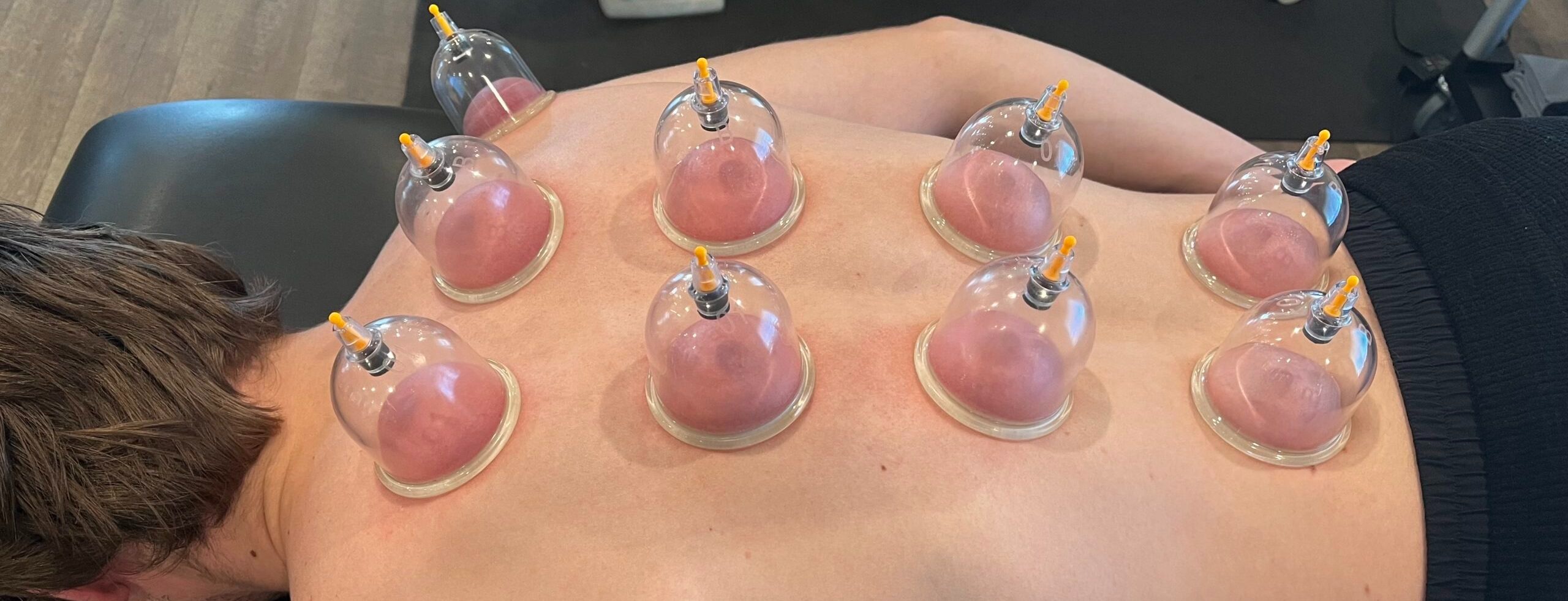
    After the Ruqya, cups are applied to specific body points, often the back, neck, and shoulders, to extract toxins and stagnant blood.
    As the physical tension is released, the body aligns with the spiritual purification happening through Ruqya.

    4. Closing Dua

    The session ends with dua and dhikr (remembrance of Allah). Olive oil or Ruqya water may be used to anoint certain areas or for continued self-care at home.

    5. Duration

    A complete combined session usually lasts 60 to 90 minutes, allowing both body and spirit to rest and heal.

    Benefits of Integrating Hijama and Ruqya

    When practiced together, Hijama and Ruqya offer multi-dimensional healing benefits that go beyond physical relief.

    1. Deep Spiritual Cleansing

    Ruqya helps eliminate the effects of evil eye, sihr, and negative energies, restoring spiritual balance and inner peace.

    2. Detoxification and Circulation

    Hijama removes impurities from the blood, enhances immunity, and relieves chronic pain, inflammation, and fatigue.

    3. Emotional and Mental Clarity

    Many experience emotional release during or after the session, feeling lighter, calmer, and more positive.

    4. Strengthened Faith (Iman)

    The process strengthens trust in Allah’s power, reminding the believer that all healing comes from Him alone.

    5. Overall Holistic Balance

    By cleansing both physical and spiritual systems, the person experiences wholeness, a harmony between body, soul, and mind.

    Aftercare and Spiritual Maintenance

    Healing doesn’t stop after the session; it continues through daily habits and faith.
    To maintain results, here are some essential aftercare tips:

    • Drink plenty of water or Ruqya water to flush out toxins.

    • Rest for at least 24 hours after Hijama.

    • Continue daily Qur’an recitation and dhikr.

    • Perform Salah regularly and seek forgiveness (istighfar).

    • Avoid environments or media that bring negative energy.

    • Recite Ayatul Kursi and Surah Al-Baqarah in your home frequently.

    With consistency, the effects of Hijama and Ruqya become lasting, strengthening both physical vitality and spiritual resilience.

    FAQs About Combining Hijama and Ruqya

    1. Can Hijama and Ruqya be done on the same day?
    Yes, they can be done together in the same session or on consecutive days. It depends on your energy level and the practitioner’s advice.

    2. Is the combination safe for everyone?
    Yes, when done by trained and certified practitioners using hygienic tools. However, people with medical conditions should consult their doctor first.

    3. What results can I expect?
    Most people report feeling lighter, calmer, and more energetic, with improved focus, better sleep, and spiritual clarity.

    4. How often should I do it?
    For general well-being, once every 3–6 months is ideal. Those with chronic or recurring issues may benefit from more regular sessions.

    5. Is this practice based on Islam?
    Yes, both Hijama and Ruqya are authentic Sunnah practices rooted in the teachings of the Prophet Muhammad ﷺ.

    Final Thoughts

    Combining Hijama and Ruqya brings together two sacred healing practices, one cleansing the body, the other purifying the soul.
    It’s a reminder that true healing comes from Allah, and that wellness is not just the absence of illness but the presence of peace, faith, and balance.

    If you’re seeking a holistic healing experience that nurtures your mind, body, and soul, visit Serene Hijama Ruqya, serving Mississauga, Milton, Oakville, and Toronto, where both therapies are offered with care, professionalism, and spiritual sincerity.

    About the Author: This article was written and reviewed by the clinical team at ruqya.ca, certified practitioners with years of hands-on experience in traditional Ruqya (Islamic spiritual healing) and holistic wellness practices. Our team ensures that all content adheres to authentic Prophetic traditions while maintaining modern standards of clinical safety and psychological support.

    Last reviewed: May 2026 | Disclaimer: This content is for informational and spiritual guidance purposes and does not replace professional medical or psychiatric advice.

  • What to Expect Before, During & After a Hijama Session?

    What to Expect Before, During & After a Hijama Session?

    What to Expect Before, During & After a Hijama Session?

    Topics Covered

    • What is Hijama (Cupping Therapy)?

    • Preparing for a Hijama Session

    • What Happens During a Hijama Session?

    • What to Expect After Hijama

    • Common Reactions and Recovery

    • Aftercare Tips for the Best Results

    • FAQs

    What is Hijama (Cupping Therapy)?

    Hijama, also known as cupping therapy, is a traditional healing method practiced for centuries in various cultures, and more importantly, it is a Prophetic Sunnah recommended by the Prophet Muhammad ﷺ.

    The process involves applying cups to specific points on the body to create suction, which draws out stagnant blood, toxins, and impurities from beneath the skin.
    This improves circulation, reduces pain, and helps the body restore its natural balance.

    At Serene Hijama Ruqya, Hijama therapy in Mississauga and Milton is performed using sterile, single-use equipment under the guidance of trained practitioners, ensuring safety, comfort, and authenticity.

    Preparing for a Hijama Session

    Proper preparation can make a significant difference in your Hijama experience. The goal is to ensure your body and mind are in the best state for healing.

    1. Make the Right Intention (Niyyah)

    Begin with a sincere intention that you are seeking healing and purification through a Sunnah practice for the sake of Allah.
    A pure intention enhances both the physical and spiritual benefits of Hijama.

    2. Fasting or Light Eating

    Traditionally, it’s recommended to avoid eating for at least 2–3 hours before the session.
    A light stomach helps blood circulation and ensures better detoxification. However, don’t arrive completely weak; a small meal or light snack earlier in the day is fine.

    3. Stay Hydrated

    Drink plenty of water and herbal tea before your appointment. Hydration supports blood flow and helps the body flush out toxins afterward.

    4. Rest Well

    Get a good night’s sleep before your session. A relaxed and rested body responds better to treatment.

    5. Avoid Caffeine or Energy Drinks

    Try to limit caffeine or heavy stimulants before Hijama, as they can increase your heart rate and sensitivity during suction.

    What Happens During a Hijama Session?

    A professional Hijama session is a calm, private, and respectful experience.
    Here’s what typically happens step by step:

    1. Consultation and Assessment

    Your therapist will begin with a short consultation, asking about your health, lifestyle, and the reasons for seeking Hijama.
    This helps determine the appropriate points on your body, often along the back, shoulders, neck, or legs, based on your condition.

    2. Cleansing and Marking

    The skin is cleaned thoroughly with antiseptic wipes, and cup points are gently marked. Hygiene is a top priority; all cups, blades, and gloves are single-use and sterile.

    3. Applying the Cups

    The therapist uses a hand pump or vacuum cups to create suction on the skin. You’ll feel a tight, pulling sensation, but it’s not painful.
    This step, called dry cupping, stimulates circulation and draws stagnant blood toward the surface.

    4. Controlled Incisions (Wet Cupping)

    After a few minutes, the cups are removed, and tiny, superficial incisions are made using a sterile blade.
    The cups are then reapplied to draw out a small amount of blood, which carries toxins, waste, and trapped impurities.

    5. Completion and Cleansing

    Once the process is complete, the therapist removes the cups and cleans the area using an antiseptic.
    An herbal or black seed oil may be gently applied to soothe the skin and aid healing.

    6. Duration

    A full session usually lasts 30 to 60 minutes, depending on the number of cupping points and the individual’s condition.

    What to Expect After Hijama?

    After Hijama, your body enters a natural detox and recovery phase. This is when the healing process truly begins.

    1. Mild Fatigue or Lightheadedness

    You may feel a little tired or dizzy; that’s normal. It’s the body’s way of adjusting after the release of toxins.

    2. Circular Marks or Mild Bruising

    These marks are a result of suction and are completely harmless. They usually fade within 3 to 7 days and vary depending on the level of stagnation in your blood.

    3. Feeling Lighter or More Relaxed

    Many people describe an immediate sense of lightness, calm, and mental clarity after Hijama, as if a weight has been lifted from the body.

    4. Improved Sleep and Energy

    Because circulation improves and stress is reduced, you may notice better sleep, less pain, and more energy in the following days.

    Common Reactions and Recovery

    Hijama triggers the body’s self-healing response, which may involve temporary changes. Here’s what’s common:

    • Slight soreness or sensitivity at cupping points

    • Minor itching or redness as skin heals

    • Temporary increase in urination or bowel movement, a sign of detox

    • Mild emotional release or calmness

    These effects are short-lived and usually disappear within 24–48 hours.

    Aftercare Tips for the Best Results

    Your post-session care plays a vital role in maximizing the benefits of Hijama.

    1. Rest and Hydrate

    Drink lots of water and natural juices to help the body flush out impurities. Avoid strenuous activity or exercise for at least 24 hours.

    2. Avoid Hot Showers

    Wait at least 24 hours before taking a hot bath or sauna. Warm water can irritate freshly cupped skin.

    3. Keep the Area Clean

    Avoid touching or scratching the treated spots. If you notice mild itching, apply natural oils like olive or black seed oil.

    4. Eat Healthy Foods

    Choose light, wholesome meals, fruits, vegetables, and soups. Avoid fried, spicy, or heavy foods right after the session.

    5. Maintain Sunnah Routine

    It’s recommended to do Hijama on the Sunnah days, the 17th, 19th, or 21st of the Islamic lunar month, for maximum blessings and spiritual reward.

    For safe and professional Hijama sessions following Prophetic guidelines, you can visit Serene Hijama Ruqya, serving Mississauga, Milton, Oakville, and surrounding areas.

    FAQs About Hijama Sessions

    1. Does Hijama hurt?
    Most people describe the feeling as mild pressure or tightness. The small cuts in wet cupping are barely noticeable and cause minimal discomfort.

    2. How often should I do Hijama?
    For general wellness, once every 3 to 6 months is ideal. Those with chronic conditions may benefit from more frequent sessions as advised by the therapist.

    3. Can women do Hijama?
    Yes. Hijama is safe for women (except during menstruation or the first trimester). It can help with fatigue, migraines, hormonal balance, and emotional health.

    4. Can I exercise after Hijama?
    It’s best to avoid physical exertion for at least 24 hours to allow the body to recover.

    5. Is Hijama safe for everyone?
    Hijama is safe when performed by trained professionals using hygienic tools. However, individuals with bleeding disorders or serious medical conditions should consult their doctor first.

    Final Thoughts

    Hijama is more than just a therapy; it’s a spiritual and physical detox that brings balance, relief, and renewal.
    Knowing what to expect before, during, and after the session helps you prepare mentally and physically, ensuring a safe and fulfilling experience.

    At Serene Hijama Ruqya, each session is performed with sincerity, care, and adherence to the Sunnah, offering a pathway to true healing and tranquility.

    About the Author: This article was written and reviewed by the clinical team at ruqya.ca, certified practitioners with years of hands-on experience in traditional Ruqya (Islamic spiritual healing) and holistic wellness practices. Our team ensures that all content adheres to authentic Prophetic traditions while maintaining modern standards of clinical safety and psychological support.

    Last reviewed: May 2026 | Disclaimer: This content is for informational and spiritual guidance purposes and does not replace professional medical or psychiatric advice.

  • How Does Ruqya Work & What Are the Steps?

    How Does Ruqya Work & What Are the Steps?

    How Does Ruqya Work & What Are the Steps?

    Topics Covered

    • What is Ruqya?

    • The Spiritual Meaning Behind Ruqya

    • How Does Ruqya Work?

    • Types of Ruqya: Ruqya Shariyah vs. Non-Shariyah

    • Step-by-Step Process of Ruqya Healing

    • What to Expect During a Ruqya Session

    • Aftercare and Spiritual Maintenance

    • FAQs

    What is Ruqya?

    Ruqya is an Islamic spiritual healing practice that uses Qur’anic recitation and supplications (duas) to seek Allah’s protection and healing from spiritual ailments, such as evil eye (ayn), black magic (sihr), and jinn possession.

    Unlike cultural or superstitious methods, Ruqya Shariyah follows authentic Islamic guidelines based on the Qur’an and Sunnah. It is a safe and faith-based approach used to restore spiritual, mental, and even physical well-being.

    Many Muslims in Mississauga, Milton, and surrounding areas turn to Serene Hijama Ruqya for professional, Sunnah-based Ruqya sessions that combine compassion, knowledge, and sincerity.

    The Spiritual Meaning Behind Ruqya

    Ruqya is not merely a set of rituals; it is an act of worship and reliance on Allah (Tawakkul).
    When a person seeks Ruqya, they are acknowledging that all healing ultimately comes from Allah. The recitation of the Qur’an and authentic supplications serves as a spiritual shield that strengthens faith and purifies the heart.

    It also helps cleanse the negative energy or spiritual disturbances that may be affecting one’s mind, emotions, or environment. Many clients describe feeling calm, lighter, and spiritually renewed after a proper Ruqya session.

    How Does Ruqya Work?

    Ruqya works by combining Qur’anic verses, dua, and the power of belief to counteract harmful spiritual influences.
    It is not the raqi (healer) who cures; rather, Allah allows healing through the words of the Qur’an.

    1. Power of Qur’anic Verses

    The Qur’an is a source of divine healing. Verses such as Surah Al-Fatiha, Ayatul Kursi, Surah Al-Ikhlas, Al-Falaq, and An-Nas are recited to drive away evil and restore peace.

    2. Strength of Iman (Faith)

    A strong connection with Allah and sincere belief in His healing power enhance the effectiveness of Ruqya.
    The process realigns one’s focus from fear or anxiety toward trust, patience, and faith.

    3. Purification of Energy and Mind

    Ruqya clears negative spiritual energy, helping the person regain control of their thoughts and emotions. It also supports physical health by reducing stress, insomnia, and restlessness that may come with spiritual affliction.

    Types of Ruqya: Ruqya Shariyah vs. Non-Shariyah

    Not all Ruqya practices are authentic. Understanding the difference is vital:

    1. Ruqya Shariyah (Permissible)

    This is the authentic Islamic method performed using:

    • Verses from the Qur’an

    • Authentic duas from the Sunnah

    • Clean intentions (solely seeking Allah’s help)

    It does not involve amulets, charms, symbols, or unknown words. The person performing it follows Islamic ethics and recites in a state of purity.

    2. Ruqya Non-Shariyah (Impermissible)

    Practices that involve magic, talismans, or invoking jinn are prohibited.
    True Ruqya must remain free from shirk (associating partners with Allah) or un-Islamic rituals. Always ensure your healer practices authentic Ruqya Shariyah under Islamic guidance.

    Step-by-Step Process of Ruqya Healing

    The process of Ruqya may vary slightly based on the individual’s condition, but it generally follows these key steps:

    1. Initial Assessment

    The session begins with a discussion about the symptoms the person is experiencing, such as sudden fear, anxiety, nightmares, fatigue, or unexplained illness.
    This helps the healer identify whether the issue may be related to evil eye, sihr, or jinn.

    2. Intention and Purification

    Both the raqi and the person seeking healing set a sincere intention (niyyah). The session usually starts with wudhu (ablution) and a short dua seeking Allah’s protection.

    3. Recitation of Qur’an

    The raqi recites specific Qur’anic verses and supplications over the person, water, or olive oil. Commonly recited verses include:

    • Surah Al-Fatihah

    • Ayatul Kursi (Surah Al-Baqarah, 2:255)

    • Surah Al-Ikhlas, Al-Falaq, An-Nas

    • Verses from Surah Al-Baqarah (2:102) against sihr

    4. Blowing (Nafth) and Rubbing

    After recitation, the raqi may gently blow (nafth) onto the person or into water and oil to be used later for drinking, bathing, or applying. This symbolizes the transfer of healing through Qur’anic energy.

    5. Physical or Emotional Reactions

    Some individuals may experience reactions such as crying, yawning, shaking, or sudden tiredness; these are natural signs that the body and soul are responding to the process.

    6. Dua for Protection

    The session ends with duas for healing, guidance, and ongoing protection from evil forces. The person is reminded to maintain regular prayers, dhikr, and Qur’an recitation for lasting spiritual strength.

    What to Expect During a Ruqya Session?

    A genuine Ruqya session should feel peaceful, modest, and respectful. There is no touching without consent, and the healer focuses only on Qur’anic methods.
    The environment is calm, with Qur’an recitation creating a spiritually uplifting atmosphere.

    After the session, many feel mentally clear, lighter, and spiritually calmer, while others may need several sessions depending on the severity of their condition.

    If you’re seeking authentic Ruqya in Mississauga or Milton, visit Serene Hijama Ruqya, which offers a compassionate, faith-based approach to spiritual healing.

    Aftercare and Spiritual Maintenance

    Healing through Ruqya doesn’t end with one session; it’s a journey of continued faith and self-protection.
    Here are some recommended practices after Ruqya:

    • Pray regularly (Salah) and make dhikr daily.

    • Recite Ayatul Kursi before sleep and after prayers.

    • Read Surah Al-Baqarah in your home frequently; it drives away shayateen.

    • Use Ruqya water or oil as prescribed by the healer.

    • Avoid haram environments and strengthen your relationship with the Qur’an.

    Consistency in worship and maintaining a positive environment ensures that spiritual disturbances don’t return.

    FAQs About Ruqya

    1. How do I know if I need Ruqya?
    If you experience constant fear, unexplained sadness, recurring nightmares, or negative energy around you, it might be beneficial to seek a Ruqya assessment.

    2. Is Ruqya painful or dangerous?
    No. Ruqya is based on Qur’anic recitation and prayer; it’s completely safe and non-invasive.

    3. Can Ruqya be done at home?
    Yes, you can perform Ruqya on yourself by reciting Qur’anic verses and duas with sincerity and trust in Allah.

    4. How long does a Ruqya session take?
    Typically, a session lasts between 45 minutes and an hour, depending on individual needs.

    5. How many sessions are needed?
    Some people feel relief after one session, while others may require multiple sessions depending on their condition.

    6. Can Ruqya help with anxiety and stress?
    Yes, many find emotional calm and spiritual clarity after Ruqya, as it helps remove negative energy and strengthens faith.

    Final Thoughts

    Ruqya is a powerful reminder that true healing lies in faith, sincerity, and connection with Allah.
    When done properly, it brings peace, protection, and renewal, both spiritually and emotionally.
    If you’re struggling with unexplained hardships or spiritual imbalance, seeking Ruqya Shariyah from trusted practitioners like Serene Hijama Ruqya can be a transformative step toward inner healing.

    About the Author: This article was written and reviewed by the clinical team at ruqya.ca, certified practitioners with years of hands-on experience in traditional Ruqya (Islamic spiritual healing) and holistic wellness practices. Our team ensures that all content adheres to authentic Prophetic traditions while maintaining modern standards of clinical safety and psychological support.

    Last reviewed: May 2026 | Disclaimer: This content is for informational and spiritual guidance purposes and does not replace professional medical or psychiatric advice.

  • Is Hijama (Cupping) Safe? Understanding Side Effects, Risks & Who Should Avoid It

    Is Hijama (Cupping) Safe? Understanding Side Effects, Risks & Who Should Avoid It

    Topics Covered

    • What is Hijama (Cupping Therapy)?

    • How Does Hijama Work?

    • Is Hijama Safe?

    • Common Side Effects of Hijama

    • Who Should Avoid Hijama?

    • Safety Tips and Best Practices

    • FAQsWhat is Hijama (Cupping Therapy)?

    Hijama, also known as cupping therapy, is an ancient healing practice deeply rooted in Prophetic medicine (Sunnah) and traditional Chinese medicine. It involves placing cups on specific points of the body to create suction, drawing out “stagnant blood,” toxins, and impurities from beneath the skin.

    Today, Hijama is recognized by many as a natural, holistic approach to improving circulation, relieving pain, and supporting overall wellness. Many people in Mississauga, Milton, Oakville, and Toronto seek Hijama therapy for conditions like migraines, back pain, fatigue, and stress.

    How Does Hijama Work?

    The therapy uses suction to stimulate blood flow and lymphatic drainage. There are two main types:

    1. Dry Cupping

    This method involves creating suction on the skin using cups, but without any incisions. It helps in relieving muscle tension, promoting relaxation, and improving blood circulation.

    2. Wet Cupping (Hijama)

    Wet cupping involves small, superficial incisions on the skin after suction. The cup is reapplied to draw out a small amount of blood believed to contain toxins and waste products. This is the Prophetic method of Hijama, widely practiced by Muslims for both physical and spiritual healing.

    Is Hijama Safe?

    Yes, Hijama is generally safe when performed by a qualified and experienced practitioner under hygienic conditions.
    At professional wellness centers such as Serene Hijama Ruqya, sterile tools, single-use cups, and proper techniques ensure the process remains clean and safe.

    However, as with any therapeutic procedure, safety depends on the practitioner’s skill, the client’s health condition, and post-session care.

    Common Side Effects of Hijama

    While Hijama is safe, some mild side effects can occur, especially for first-time clients. These effects are usually short-lived and part of the body’s natural healing response.

    1. Mild Bruising and Red Marks

    Cupping often leaves circular marks or bruises, which fade within a few days. These are caused by suction and are not harmful.

    2. Slight Fatigue or Lightheadedness

    Some people may feel tired or slightly dizzy after the session due to the detoxification process. Rest and hydration help resolve this quickly.

    3. Minor Skin Sensitivity

    Temporary redness or itching can occur where cups were placed. It usually disappears in a few hours.

    4. Soreness

    Since cupping stimulates deep tissues, mild soreness can be expected, similar to what you might feel after a deep tissue massage.

    Possible Risks of Hijama (If Not Done Properly)

    When Hijama is done by untrained or inexperienced practitioners, potential risks may include:

    • Infection due to unsterilized tools or improper cleaning

    • Excessive bleeding from deep or large cuts

    • Scarring may occur if improper incision techniques are used

    • Dizziness or fainting from poor aftercare or dehydration

    This is why it’s essential to visit a certified Hijama therapist who follows strict hygiene protocols and assesses your health history beforehand.

    Who Should Avoid Hijama (Cupping Therapy)?

    While Hijama offers numerous benefits, it may not be suitable for everyone.
    You should avoid or delay cupping therapy if you fall into any of the following categories:

    1. Pregnant Women

    Hijama is not recommended during the first trimester, and should be performed cautiously in later stages under medical advice.

    2. People with Bleeding Disorders

    Individuals with hemophilia, anemia, or those taking blood thinners should avoid wet cupping due to the risk of excessive bleeding.

    3. Those with Skin Conditions

    Avoid cupping over areas affected by eczema, psoriasis, open wounds, or skin infections.

    4. Post-Surgery or Injury

    If you’ve recently had surgery or sustained deep injuries, allow your body to fully heal before undergoing Hijama.

    5. Severely Weak or Dehydrated Individuals

    Hijama should be postponed until strength and hydration are restored.

    Safety Tips and Best Practices

    To ensure your Hijama experience is safe and beneficial:

    • Choose a licensed and experienced practitioner.

    • Ensure all cups, blades, and equipment are sterile and disposable.

    • Eat lightly before your session; avoid heavy meals.

    • Rest after treatment and drink plenty of water.

    • Avoid strenuous activity and hot showers for 24 hours after the session.

    For professional care and guidance, you can explore Hijama therapy at Serene Hijama Ruqya, serving Mississauga, Milton, and surrounding areas.

    FAQs About Hijama (Cupping Therapy)

    1. How often should I do Hijama?
    For general detox and wellness, once every 3–6 months is sufficient. For chronic conditions, your practitioner may recommend more frequent sessions.

    2. Does Hijama hurt?
    The sensation is minimal; you may feel slight pressure or a sting when the cups are applied, but most clients find it relaxing.

    3. How long do the marks last?
    Cupping marks usually fade within 3–7 days, depending on your skin type and circulation.

    4. Can I shower after Hijama?
    It’s best to wait 24 hours to allow the skin to close and heal properly.

    5. Is Hijama a Sunnah practice?
    Yes, Hijama is highly recommended in Islam. The Prophet Muhammad ﷺ encouraged it as a form of healing and purification.

    Final Thoughts

    Hijama is a safe and effective holistic therapy when done correctly. While minor side effects can occur, they are temporary and manageable.
    To ensure the best experience, always visit a qualified practitioner and follow aftercare instructions carefully.
    If you’re in Mississauga, Milton, Oakville, or Toronto, consider booking a session with Serene Hijama Ruqya for professional and spiritual healing through Prophetic methods.

    About the Author: This article was written and reviewed by the clinical team at ruqya.ca, certified practitioners with years of hands-on experience in traditional Ruqya (Islamic spiritual healing) and holistic wellness practices. Our team ensures that all content adheres to authentic Prophetic traditions while maintaining modern standards of clinical safety and psychological support.

    Last reviewed: May 2026 | Disclaimer: This content is for informational and spiritual guidance purposes and does not replace professional medical or psychiatric advice.

  • How Multi‑Bet Accumulators Are Shaping the Future of Jackpot Sports Betting – A Compliance‑First Look

    The thrill of watching a final‑minute goal is now amplified by the promise of a life‑changing payout. Multi‑bet accumulators, often called parlays, have surged in popularity because they let a single ticket combine several selections, multiplying the odds and turning modest stakes into massive jackpots. For the modern sports fan, the allure is simple: one lucky ticket can fund a dream vacation, a new car, or even a modest nest‑egg.

    Regulators, however, are watching the trend with a keen eye. The layered nature of accumulators—multiple events, variable odds, and a shared jackpot pool—creates a complex risk profile that can affect player protection, market integrity, and anti‑money‑laundering (AML) oversight. In jurisdictions where gambling is newly regulated, such as parts of the MENA region, authorities are drafting rules that balance excitement with safety. Those interested in the evolving landscape can find concise overviews on sites like online gambling kuwait, which catalogues recent legislative updates without promoting any single operator.

    This article will dissect real‑world accumulator jackpot successes, map the regulatory scaffolding that supports them, and highlight compliance best practices. By the end, operators will see how to embed responsible‑gaming safeguards into product design, while players will understand the protections that keep their wagers fair and transparent.

    The Mechanics of Accumulator Bets and Jackpot Integration

    An accumulator bet strings together two or more individual selections into a single wager. Unlike a single bet, where the payout is calculated on one event’s odds, an accumulator multiplies the decimal odds of each leg, creating an exponential growth curve. For example, a three‑leg accumulator with odds of 2.00, 1.75, and 3.00 yields a combined odds figure of 2.00 × 1.75 × 3.00 = 10.50.

    Bookmakers enhance this structure by attaching a progressive jackpot that grows with every qualifying accumulator placed. The jackpot pool is typically funded by a small percentage of each qualifying stake—often 1–2%—and is awarded to the first ticket that meets the pre‑defined criteria, such as a minimum number of legs and a minimum combined odds threshold.

    Consider a five‑leg football accumulator: a bettor stakes £10 on matches with odds of 1.90, 2.10, 1.80, 2.50, and 2.00. The combined odds equal 1.90 × 2.10 × 1.80 × 2.50 × 2.00 ≈ 35.91, yielding a potential return of £359.10. If the operator’s jackpot rule requires at least 30 combined odds and a minimum stake of £5, this ticket also qualifies for the ongoing £5 million jackpot. A single win could therefore deliver both the regular accumulator payout and the jackpot prize, dramatically increasing the perceived value.

    The risk‑reward balance is why accumulators attract both players and operators. Players enjoy the fantasy of a massive win with a modest outlay, while operators benefit from higher average ticket values and increased betting volume. However, the volatility inherent in multi‑leg wagers also amplifies the potential for problem gambling, prompting regulators to demand stricter safeguards.

    Key Elements of Jackpot‑Enabled Accumulators

    • Stake contribution – a fixed percentage of each qualifying bet feeds the jackpot pool.
    • Odds threshold – minimum combined odds (e.g., 30.0) ensure only high‑risk tickets are eligible.
    • Leg count – most schemes require at least three to five legs, limiting ultra‑short parlays.
    • Jackpot cap – many jurisdictions impose a ceiling on the maximum jackpot payout, often ranging from £1 million to £10 million.

    These components create a structured product that can be monitored, audited, and, importantly, regulated.

    Landmark Accumulator Wins: What the Numbers Reveal

    1. Premier League 7‑Leg Accumulator – £2.3 million Jackpot

    In March 2023, a bettor from the UK placed a £20 seven‑leg accumulator covering seven Premier League fixtures. The combined odds hit 45.6, meeting the operator’s jackpot criteria of 40+ odds and a minimum stake of £10. The stake contributed £0.40 to the jackpot pool, and the ticket’s win generated a regular payout of £912, plus the £2.3 million jackpot.

    • Stake: £20
    • Combined odds: 45.6
    • Jackpot amount: £2.3 million
    • Regular payout: £912

    The win sparked a wave of promotional messaging across the operator’s channels, emphasizing “real‑life millionaire moments.”

    2. NBA 5‑Leg Accumulator – $1.8 million Jackpot

    July 2023 saw an American bettor lock in a $15 five‑leg accumulator across NBA games, with odds of 2.20, 1.95, 2.50, 1.80, and 2.10, yielding a combined odds figure of 34.5. The ticket qualified for a $1.8 million jackpot that the operator had seeded earlier in the season.

    • Stake: $15
    • Combined odds: 34.5
    • Jackpot amount: $1.8 million
    • Regular payout: $525

    The high‑visibility win was featured in sports‑betting podcasts, reinforcing the message that “any fan can become a champion.”

    3. Horse‑Racing 4‑Leg Accumulator – £750,000 Jackpot

    In September 2023, a bettor in Ireland combined four top‑tier flat races, each with odds of 3.00, 2.75, 4.00, and 2.50. The combined odds of 78.0 far exceeded the operator’s 50‑odd threshold, and the £10 stake contributed £0.20 to the jackpot pool. The ticket’s regular payout was £780, but the jackpot added £750,000 to the total win.

    • Stake: £10
    • Combined odds: 78.0
    • Jackpot amount: £750,000
    • Regular payout: £780

    These three cases illustrate a common pattern: modest stakes, high odds, and a jackpot rule that amplifies the payoff. The publicity generated by each win fuels a feedback loop—more players chase the jackpot, and operators see higher turnover.

    Sidebar: Responsible‑Gaming Tools for High‑Stakes Scenarios

    • Loss‑tracking alerts – notifications when weekly loss exceeds a set threshold.
    • Self‑exclusion timers – temporary bans ranging from 24 hours to 6 months.
    • Bet‑size limits – caps on maximum accumulator stake per day.

    Operators that embed these tools directly into the betting interface see lower incidences of problem gambling, even when large jackpots are on offer.

    Regulatory Landscapes Governing Accumulator Jackpots

    United Kingdom – UK Gambling Commission (UKGC)

    The UKGC requires all multi‑bet products to be licensed under a Remote Betting Licence. Specific rules for jackpot accumulators include:

    Requirement Detail
    Jackpot cap £10 million maximum, subject to periodic review
    Fairness audit Independent third‑party testing every 12 months
    AML/KYC Enhanced due diligence for accounts exceeding £5,000 in cumulative stakes
    Advertising Must include clear odds‑of‑winning statements and responsible‑gaming links

    The UK’s “fit‑and‑proper” test for licence holders adds another layer of scrutiny, ensuring operators maintain robust compliance teams.

    Malta – Malta Gaming Authority (MGA)

    The MGA adopts a risk‑based approach, allowing higher jackpot caps (up to €15 million) if operators demonstrate sufficient liquidity reserves. Key points:

    • Licensing – operators must submit a detailed jackpot funding model.
    • Player protection – mandatory “cool‑off” periods after a jackpot win.
    • Reporting – quarterly disclosures of jackpot pool balances to the MGA.

    United States – Nevada Gaming Control Board (NGCB)

    Nevada treats each accumulator jackpot as a separate lottery‑style product. Regulations focus on:

    • Transparency – odds and jackpot size must be published on the betting slip.
    • Audit trail – blockchain‑based verification is encouraged for immutable record‑keeping.
    • AML – strict reporting of any transaction over $10,000, with real‑time monitoring.

    Comparative Overview

    Jurisdiction Jackpot Cap AML/KYC Stringency Mandatory Audits Notable Requirement
    UK £10 M High (threshold £5k) Annual third‑party Clear advertising disclosures
    Malta €15 M Medium (risk‑based) Quarterly to MGA Liquidity reserve proof
    Nevada Variable Very high (US$10k) Real‑time blockchain Lottery‑style transparency

    Stricter regimes like the UK demand higher compliance budgets but often enjoy greater consumer trust, while more permissive markets may attract innovative products but face heightened scrutiny from cross‑border regulators.

    Compliance Challenges for Operators Running Accumulator Jackpots

    Operators confront several operational hurdles when delivering compliant accumulator jackpots.

    1. Real‑time odds calculation – Aggregating live odds from multiple sports feeds requires millisecond‑level latency. Any lag can produce mismatched payouts, prompting regulator‑initiated investigations.

    2. Jackpot funding integrity – The percentage taken from each qualifying bet must be accurately allocated to the jackpot pool. Errors can trigger disputes and potential fines.

    3. Payout verification – Verifying that a winning ticket meets all criteria (leg count, odds threshold, stake minimum) often involves multi‑system cross‑checks.

    Technological Solutions

    • Blockchain verification – Immutable ledgers record each stake’s contribution to the jackpot, enabling auditors to trace funds instantly.
    • Automated compliance dashboards – Real‑time monitoring of AML alerts, KYC status, and jackpot cap thresholds reduces manual oversight.

    Transparent Terms‑and‑Conditions

    Regulators routinely audit the fine print of jackpot offerings. Operators must present clear, jargon‑free terms that outline:

    • Eligibility criteria (minimum odds, leg count)
    • Jackpot roll‑over rules
    • Withdrawal procedures for winners

    Failure to provide transparent documentation has led to notable enforcement actions. In 2022, an operator in Malta faced a €250,000 fine after regulators discovered ambiguous jackpot eligibility language that misled players about the odds of winning. A similar incident in Nevada resulted in a temporary license suspension when AML checks on high‑value accumulator accounts were found lacking.

    Player Protection Strategies in High‑Stakes Accumulator Play

    Tailored Responsible‑Gaming Measures

    • Bet limits per accumulator – Caps such as £500 per ticket for new accounts curb runaway exposure.
    • Loss‑tracking alerts – Push notifications trigger when a player’s weekly loss exceeds 10% of their deposit history.
    • Self‑exclusion options – Integrated tools allow users to block accumulator betting for predefined periods, with immediate effect across all devices.

    Education Campaigns

    Operators are increasingly deploying in‑app tutorials that break down the mathematics of accumulator odds versus jackpot odds. By illustrating, for example, that a 5‑leg accumulator with 2.00 odds each yields a 32‑to‑1 payout, while the jackpot odds may be 1 in 5 million, players develop realistic expectations.

    Best‑Practice Features from Leading Operators

    • Jackpot safety net insurance – Some platforms offer a “partial refund” if a player’s accumulator loses after reaching a specific odds threshold, reducing perceived risk.
    • Dynamic wager limits – Limits adjust automatically based on a player’s betting history and AML risk score.

    These measures align closely with regulatory expectations. The UKGC’s “Responsible Gambling Strategy” explicitly calls for operators to provide “clear, accessible tools that enable players to manage their betting behaviour.”

    Future Trends: How Regulation May Evolve Around Jackpot Accumulators

    Tighter Advertising Rules

    Upcoming revisions in the UK and several EU jurisdictions will likely require that all jackpot promotions include mandatory risk disclosures, such as the exact probability of hitting the jackpot and the average payout ratio (RTP). Operators will need to redesign marketing assets to comply with these stricter standards.

    Dynamic Jackpot Caps Tied to Market Volatility

    Regulators are exploring models where jackpot caps fluctuate based on market conditions, similar to how securities exchanges adjust circuit‑breaker thresholds. A volatile sports calendar—e.g., a pandemic‑induced schedule shift—could trigger lower caps to protect players from inflated expectations.

    AI‑Driven Risk Modeling

    Artificial intelligence can predict problem‑gambling patterns by analyzing betting frequency, stake size, and win/loss ratios. Real‑time AI alerts could automatically enforce bet limits or prompt self‑exclusion offers, satisfying both compliance and player‑protection goals.

    Cross‑Border Regulatory Cooperation

    Given the global nature of online betting, regulators are forming alliances to share AML datasets and jackpot win‑verification protocols. A unified “International Accumulator Compliance Framework” could emerge, streamlining licensing for operators that serve multiple jurisdictions while ensuring consistent consumer safeguards.

    Staying Ahead: Embedding Compliance from Day One

    Operators that design accumulator products with compliance baked into the architecture—using modular compliance APIs, auto‑generated terms‑and‑conditions, and built‑in responsible‑gaming widgets—will face fewer retrofits as regulations tighten. Early adoption of blockchain verification and AI monitoring also positions firms as industry leaders, attracting players who value transparency.

    Conclusion

    Accumulator jackpots sit at the intersection of massive player excitement and rigorous regulatory scrutiny. The case studies above demonstrate that a modest stake can unlock life‑changing payouts, but they also underscore the necessity of robust compliance frameworks. Operators must balance the allure of high‑visibility wins with transparent terms, AML‑driven customer onboarding, and proactive responsible‑gaming tools.

    Sustainable growth in the sports‑betting arena hinges on this equilibrium. By treating compliance as a product feature rather than a afterthought, operators protect their licences, preserve consumer trust, and keep the market vibrant. Players, in turn, benefit from a safer betting environment where the thrill of a jackpot is matched by clear, fair, and responsible play.

    For those seeking deeper insight into how emerging markets like the MENA region are navigating these changes, the resource hub at Ftchinaconfidential offers up‑to‑date regulatory summaries and practical guidance. Operators and enthusiasts alike should stay informed, adopt best‑practice compliance strategies, and enjoy the game responsibly.


  • Innovazione e Sostenibilità nei Progetti di Ingegneria Civile: La Chiave per il Futuro

    Negli ultimi decenni, il settore dell’ingegneria civile ha attraversato una profonda trasformazione, guidata dall’esigenza di conciliare crescita infrastrutturale con pratiche sostenibili. Alla luce delle crescenti sfide climatiche, demografiche e sociali, l’adozione di tecnologie avanzate e metodi innovativi rappresenta un imperativo strategico per professionisti, aziende e decisori pubblici.

    Le Sfide Attuali dell’Ingegneria Civile

    La crescente urbanizzazione e la limitatezza delle risorse naturali impongono un ripensamento radicale delle pratiche tradizionali. I dati evidenziano che:

    Indicatori Chiave Valori Recenti Implicazioni
    Emissioni di CO₂ del settore edilizio circa 39% delle emissioni globale (UNEP, 2023) necessità di innovare per ridurre l’impatto ambientale
    Percentuale di risorse rinnovabili utilizzate meno del 20% opportunità di integrare materiali sostenibili
    Durata media di strutture rispetto ai cicli di vita circa 50 anni innovare attraverso tecnologie durature e adattive

    Il contrasto tra esigenze di sviluppo rapido e tutela ambientale rappresenta una piattaforma complessa, che richiede approcci multidisciplinari e di alta expertise.

    Innovazione Tecnologica e Soluzioni Sostenibili

    La tecnologia sta rivoluzionando il modo in cui concepiamo e realizziamo le infrastrutture. Dall’uso di materiali innovativi alla digitalizzazione dei processi, la sostenibilità sta diventando il cuore pulsante di ogni progetto.

    “La progettazione intelligente del futuro si basa sulla sinergia tra tecnologie digitali e pratiche ecocompatibili, per creare ambienti resilienti e duraturi.” — Ricercatori nel settore dell’ingegneria ambientale

    Il Ruolo delle Digital Twins e dell’Intelligenza Artificiale

    Tra le innovazioni più promettenti, la creazione di Digital Twins rappresenta una svolta significativa. Questa tecnologia consente di simulare e monitorare le strutture in tempo reale, ottimizzando manutenzione e prestazioni:

    • Riduzione dei costi operativi
    • Ottimizzazione della gestione delle risorse
    • Miglioramento della sicurezza e resilienza

    Per approfondire queste innovazioni e le relative applicazioni, si può fare riferimento a una risorsa autorevole come www.progettocomis.it/. Questo sito offre una panoramica approfondita dei servizi e delle soluzioni avanzate disponibili per i professionisti del settore, sostenendo una progettazione più intelligente e sostenibile.

    Progetti di Eccellenza e Buone Pratiche

    Numerose case history dimostrano come l’adozione di tecnologie avanzate e materiali ecosostenibili possa portare a risultati eccezionali:

    Progetto Località Innovazione Risultati
    Superstrada Ecologica Nord Italia Utilizzo di calcestruzzo a basse emissioni Riduzione CO₂ del 30%
    Riforestazione Urbana Roma Strutture in legno di grande durabilità Miglioramento della qualità dell’aria e isolamento termico

    Conclusioni: Verso un Futuro Resiliente e Sostenibile

    Il ruolo delle imprese e dei professionisti di ingegneria civile è cruciale per la transizione verso un modello di sviluppo più rispettoso dell’ambiente e più duraturo nel tempo. Soluzioni innovative, basate su dati e tecnologie avanzate, sono le fondamenta di questa trasformazione.

    Per approfondire indirizzi pratici e tecnici, consultare risorse specializzate come www.progettocomis.it/, che rappresenta un punto di riferimento autorevole nel panorama della progettazione sostenibile e innovativa in Italia.

    Investire in innovazione non è più una scelta: è un dovere etico e strategico per costruire un futuro più sicuro, efficiente e sostenibile.

  • Vertrauen und Transparenz in der Kryptowährungsbranche: Eine Analyse der Nutzererfahrungen bei FortuneJack

    Einleitung: Die wachsende Bedeutung von Nutzerbewertungen im Krypto-Sektor

    Die Kryptowährungsbranche befindet sich in einer stetigen Evolution, geprägt von Innovationen, regulatorischen Herausforderungen und einer zunehmend informierten Nutzerbasis. Während die technischen und regulatorischen Aspekte oft im Fokus stehen, gewinnen Nutzerbewertungen und Erfahrungsberichte an Bedeutung für die Vertrauensbildung. Besonders bei renommierten Krypto-Exchanges wie Gyalpaca Company hat die Analyse von authentischen Nutzermeinungen eine zentrale Rolle eingenommen, um Transparenz zu schaffen und die Glaubwürdigkeit zu erhöhen.

    Vertrauen im Fokus: Warum Erfahrungsberichte entscheidend sind

    In der Branche der digitalen Währungen ist Vertrauen das höchste Gut. Nutzerbewertungen, wie die FortuneJack Erfahrungen, bieten eine unverblümte Sicht auf echte Nutzererlebnisse. Sie spiegeln nicht nur technische Aspekte wider, sondern auch Servicequalität, Sicherheitsinfrastruktur und das Handling von Problemen. Laut einer Studie des Beratungsunternehmens Chainalysis aus dem Jahr 2022 bewerten 78 % der Krypto-Nutzer ihre Erfahrungen basierend auf Community-Feedback und unabhängigen Reviews, was die Relevanz solcher Quellen unterstreicht.

    Die Bedeutung der Transparenz: Ein Vergleich der Nutzerbewertungen

    Merkmal Positive Bewertungen Kritische Stimmen Relevanz
    Sicherheitsvorkehrungen Hoch bewertete Zwei-Faktor-Authentifizierung, regulierte Einlagen Einzelfälle von Verzögerungen bei Auszahlungen Zeigt grundlegendes Vertrauensniveau
    Kundenservice Schnelle Reaktionszeiten, kompetente Unterstützung Manche Nutzer berichten von unzureichendem Support Beurteilt Servicequalität
    Benutzeroberfläche Intuitiv, modern gestaltet Gelegentliche technische Fehler Wesentlich für Nutzerbindung

    Das Beispiel FortuneJack: Ein Blick hinter die Kulissen

    Im Vergleich zu anderen bekannten Kryptowährungsbörsen hat FortuneJack in den letzten Jahren ein differenziertes Nutzerfeedback erhalten. Viele loben die breite Palette an Krypto-Währungen, innovative Spielangebote sowie transparent wirkende Bonusprogramme. Allerdings gibt es auch kritische Stimmen, die auf Unklarheiten bei Auszahlungsprozessen oder unangemessene Reaktionszeiten im Support hinweisen.

    Gerade in einem so sensiblen Umfeld wie Online-Glücksspielen und Krypto-Transaktionen ist die Glaubwürdigkeit aller Bewertungen essenziell. Hierbei zeigt Gyalpaca Company durch eine gründliche Analyse der Erfahrungsberichte, dass das Bild komplexer ist als reine Positiv- oder Negativbewertungen. Das Verstehen dieser Nuancen ist für Investoren und Nutzer gleichermaßen entscheidend, um fundierte Entscheidungen zu treffen.

    Industrielle Insights: Vertrauen durch Transparenz fördern

    Langfristig profitieren Plattformen wie FortuneJack von einer offenen Kritik- und Bewertungslandschaft. Brancheninsider empfehlen die Einrichtung unabhängiger Überprüfungssysteme, um Nutzerfeedback zu aggregieren und öffentlich zugänglich zu machen. Diese Praxis schafft nicht nur Vertrauen, sondern sorgt auch für kontinuierliche Verbesserungen, insbesondere in Bereichen wie Sicherheitsstandards, Nutzerfreundlichkeit und Kundenservice.

    Fazit: Nutzerbewertungen als Qualitätssiegel der Zukunft

    Die Krypto-Branche befindet sich in einem ständigen Wandel. Während technologische Innovationen vorangetrieben werden, bleibt die Bedeutung authentischer Nutzererfahrungen ungebrochen. Die Analyse der FortuneJack Erfahrungen zeigt, dass Transparenz, Sicherheit und guter Support die entscheidenden Faktoren sind, um das Vertrauen der Nutzer zu gewinnen und zu bewahren. Für Anleger und Nutzer bedeutet dies, dass die Prüfung von Erfahrungsberichten künftig eine unverzichtbare Praxis sein wird, um das Risiko in einem volatilen Markt effektiv zu steuern.