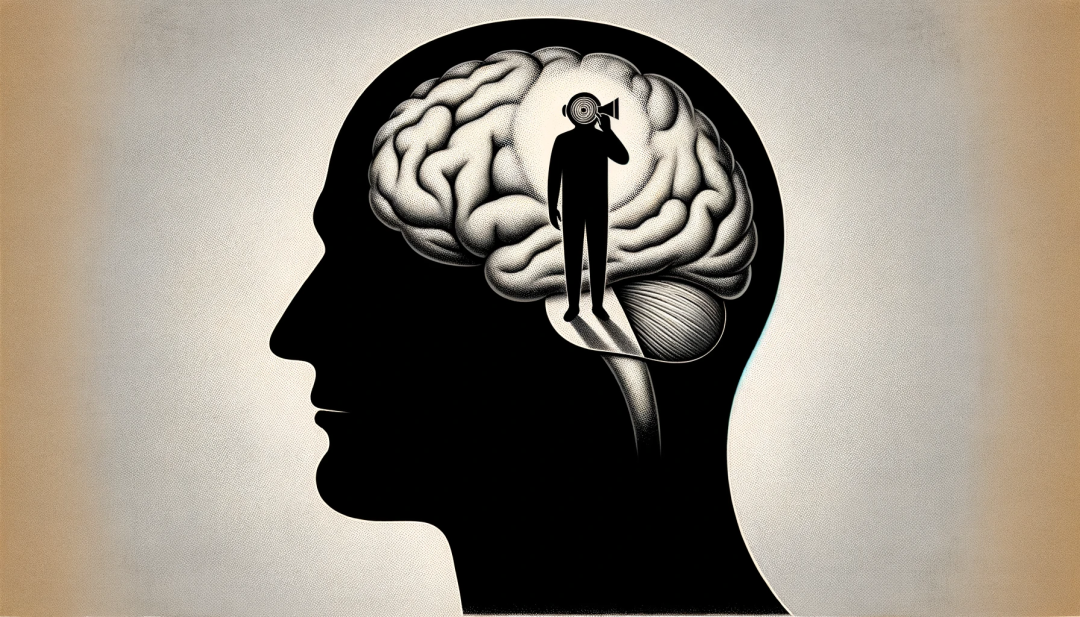
In many Islamic traditions, jinn are believed to be supernatural beings that can influence human lives in both positive and negative ways. While some people believe that jinn can be a source of spiritual or psychological distress, others seek to understand how these influences might intersect with psychological conditions. One area of interest is the identification and treatment of hidden jinn through psychotherapy. In this blog post, we’ll explore the concept of jinn from an Islamic perspective, how their influence might manifest as psychological symptoms, and how psychotherapy can play a role in addressing these concerns.
Understanding Jinn and Their Influence
In Islam, jinn are created from smokeless fire and possess free will, similar to humans. They live in a parallel world to ours and can be either benevolent or malevolent. The belief in jinn is deeply rooted in Islamic teachings, and their influence is thought to affect various aspects of human life, including physical health, emotional well-being, and spiritual state.
Types of Jinn Influences:
- Possession: Some believe that malevolent jinn can possess or influence individuals, causing psychological and emotional distress. Symptoms might include sudden mood swings, irrational fears, or violent outbursts.
- Whispering: Jinn may also influence thoughts and feelings through whispering (waswasah), which can lead to doubts, anxiety, or harmful behaviors.
- Black Magic (Sihr): Jinn are often associated with black magic or witchcraft, which can be used to harm individuals spiritually and psychologically.
Identifying Hidden Jinn Through Psychotherapy
Psychotherapy, also known as talk therapy, is a common approach to treating psychological issues. It involves discussing problems with a trained mental health professional to understand and manage emotional and mental health challenges. While psychotherapy is primarily focused on addressing psychological issues, some individuals seek to explore whether their symptoms may have a spiritual or supernatural dimension, such as hidden jinn influence.
Steps in Identifying Hidden Jinn Through Psychotherapy:
- Comprehensive Assessment:
A thorough assessment is the first step in psychotherapy. This involves exploring the individual’s history, symptoms, and experiences. A mental health professional will typically use various assessment tools and techniques to understand the nature of the symptoms and any potential underlying causes.
- Differentiating Psychological and Spiritual Symptoms:
The goal of psychotherapy is to differentiate between symptoms that may be rooted in psychological conditions versus those that might be influenced by spiritual or supernatural factors. For instance, anxiety and depression can manifest with symptoms similar to those attributed to jinn possession. Identifying these distinctions helps in providing appropriate treatment.
- Incorporating Cultural and Spiritual Sensitivity:
When dealing with clients who believe they are affected by jinn, therapists may adopt a culturally sensitive approach. This includes respecting the individual’s beliefs and considering how these beliefs impact their psychological state. The therapist might integrate discussions about spiritual concerns and how they intersect with psychological symptoms.
- Referral to Islamic Practitioners:
In cases where psychotherapy alone does not address the concerns, therapists may refer clients to Islamic practitioners, such as a Raaqi, who specialize in Ruqyah (spiritual healing). This referral ensures that clients receive comprehensive care that addresses both psychological and spiritual dimensions.
- Collaborative Approach:
A collaborative approach involves working with both mental health professionals and spiritual practitioners to address the client’s needs. This may include integrating therapeutic techniques with spiritual practices, such as reciting Quranic verses for protection and healing, while continuing psychological support.
Addressing Psychological Symptoms Linked to Jinn
For individuals experiencing symptoms believed to be linked to jinn, psychotherapy can be effective in managing and alleviating psychological distress. Here’s how psychotherapy can help:
- Cognitive Behavioral Therapy (CBT):
CBT is a common therapeutic approach that helps individuals identify and change negative thought patterns and behaviors. It can be particularly effective in addressing anxiety, depression, and irrational fears that may be interpreted as jinn-related.
- Trauma-Informed Therapy:
For individuals who perceive their symptoms as related to past traumatic experiences or supernatural influences, trauma-informed therapy can help address the underlying emotional wounds. This approach emphasizes understanding and healing from trauma in a compassionate and supportive manner.
- Stress Management Techniques:
Psychotherapy often includes teaching stress management techniques, such as relaxation exercises, mindfulness, and coping strategies. These techniques can help individuals manage symptoms of anxiety and stress that may be exacerbated by their belief in jinn influence.
- Building Coping Skills:
Therapists work with clients to develop effective coping skills to manage distressing thoughts and emotions. This can include strategies for dealing with intrusive thoughts, emotional regulation, and enhancing resilience.
- Encouraging Positive Lifestyle Changes:
Psychotherapy can also focus on encouraging positive lifestyle changes, such as improving sleep, nutrition, and exercise, which can have a significant impact on mental health and well-being.
Integrating Islamic Practices
For those who believe in the influence of jinn, integrating Islamic practices into their therapeutic approach can provide additional support:
- Regular Prayer and Supplications:
Engaging in regular prayer and reciting supplications for protection, such as Ayat al-Kursi and Surah Al-Falaq, can offer spiritual reassurance and strengthen faith.
- Ruqyah (Spiritual Healing):
Consulting a Raaqi for Ruqyah, the recitation of Quranic verses for healing and protection, can be a complementary approach to psychotherapy. It can address spiritual concerns while continuing psychological treatment.
- Strengthening Faith:
Building a strong connection with Allah through acts of worship, repentance, and seeking forgiveness can provide emotional and spiritual support, reducing feelings of fear or distress related to jinn.
Conclusion
The intersection of psychological problems and the belief in jinn can be complex, requiring a nuanced approach to treatment. Psychotherapy offers valuable tools for managing and reducing psychological distress, while Islamic practices can provide spiritual support and healing. By integrating both approaches, individuals can address their concerns holistically, finding relief from psychological symptoms and spiritual disturbances. It is essential to approach this process with an open mind, respect for individual beliefs, and a commitment to comprehensive care.