 Skip to content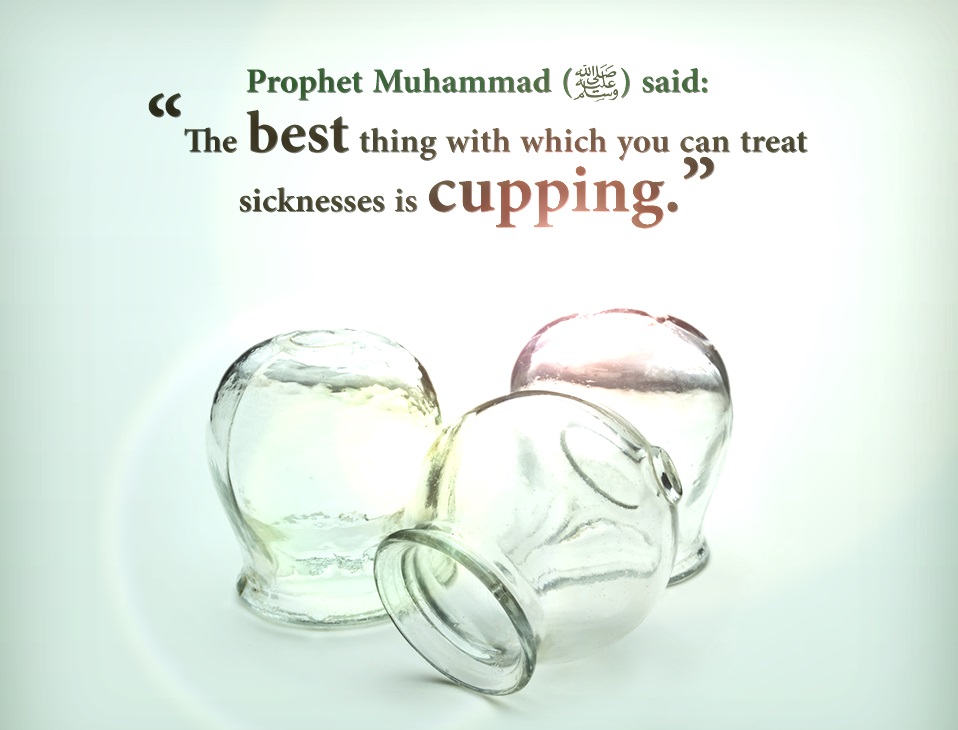
Hijama Cupping Therapy: A Sunnah-Based Healing Modality
Hijama, or cupping therapy, is a therapeutic practice with deep roots in Islamic tradition. It is considered a Sunnah, meaning a practice or action of Prophet Muhammad (peace be upon him). This ancient healing method has gained significant attention in recent times for its potential health benefits.
Hijama: A Sunnah Practice
The Prophet Muhammad (peace be upon him) highly recommended hijama as a form of healing. Several hadiths (sayings and actions of the Prophet) emphasize its benefits. It was often used to treat various ailments, including headaches, back pain, and even poisoning.
Benefits of Hijama Cupping Therapy
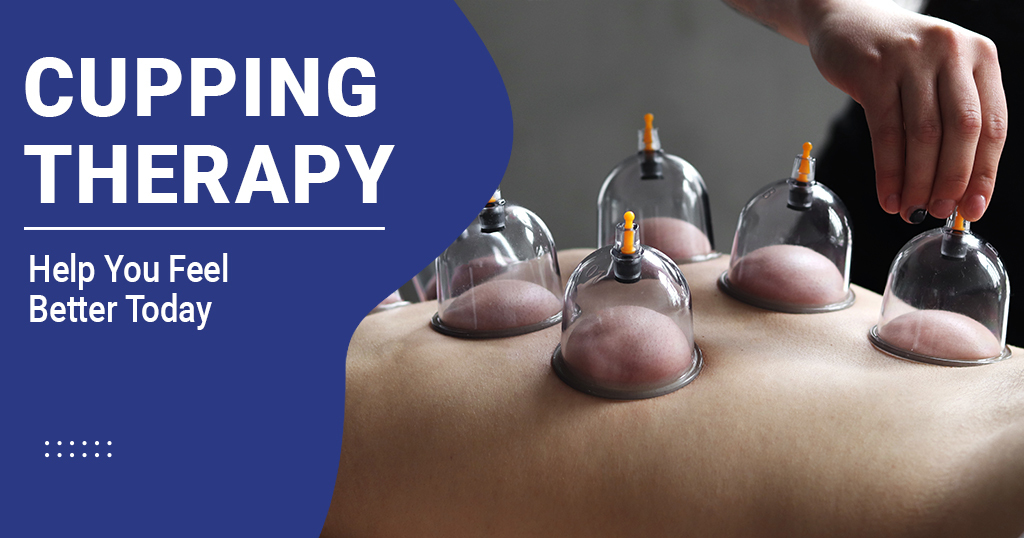
- Pain Relief: Hijama is particularly effective in alleviating chronic and acute pain. It increases blood flow to the affected area, reducing inflammation and muscle tension.
- Improved Blood Circulation: By drawing blood to the surface, hijama enhances blood circulation, delivering vital nutrients and oxygen to tissues.
- Detoxification: The process is believed to help remove toxins and impurities from the body, promoting overall well-being.
- Boosted Immune System: Regular hijama sessions can help strengthen the immune system, making the body more resilient to infections.
- Mental Clarity and Focus: Some people report improved cognitive function and increased mental clarity after hijama.
- Skin Health: Hijama can improve skin conditions by stimulating blood flow and promoting skin regeneration.
Hijama: The Sunnah Way
To truly experience the benefits of hijama, it’s essential to adhere to the Sunnah guidelines:
- Best Days: The Prophet (peace be upon him) recommended performing hijama on the 17th, 19th, or 21st day of the Islamic lunar month.
- Cupping Points: Specific points on the body are traditionally used for hijama, as indicated in the Sunnah.
- Intention: Performing hijama with the intention of seeking healing and following the Sunnah is crucial.
Important Considerations
While hijama offers numerous benefits, it’s essential to consult with a qualified healthcare provider before starting any new treatment, especially if you have underlying health conditions. It’s also crucial to find a practitioner who adheres to the Sunnah and maintains high hygiene standards.
By understanding the Sunnah-based principles of hijama and choosing a qualified practitioner, you can experience the potential healing and well-being benefits of this ancient practice.
Understanding the Scope of Authentic Islamic Healing
As the demand for traditional and faith-based remedies grows, it is essential to ground our practices in authentic sources. Authentic Ruqya is fundamentally based on the recitation of the Quran and supplications taught by the Prophet Muhammad (peace be upon him). It is a holistic approach to healing that recognizes the intricate connection between physical health, mental well-being, and spiritual resilience. Unlike secular therapy models, Islamic spiritual healing addresses afflictions that may originate from metaphysical sources—such as the evil eye (al-ayn), destructive envy (hasad), and other unseen influences—providing a comprehensive framework for recovery.
Our commitment to authentic healing extends beyond the treatment room. We emphasize the importance of daily spiritual maintenance, including the consistent recitation of morning and evening adhkar (remembrances), maintaining ritual purity, and establishing a strong connection with the Quran. These practices not only serve as a cure for existing ailments but also act as a powerful preventative shield against future spiritual disturbances. Many of our clients report that integrating these Sunnah-based habits into their daily routines has profoundly transformed their ability to cope with modern stressors and anxiety.
Furthermore, we advocate for an integrated approach where spiritual healing complements, rather than replaces, necessary medical or psychological interventions. If an individual is experiencing severe clinical depression or a diagnosed physical illness, Ruqya acts as a spiritual catalyst for healing alongside professional medical care. We strictly adhere to ethical guidelines, ensuring that our methods are transparent, safe, and aligned with orthodox Islamic jurisprudence. Education is a cornerstone of our mission; we strive to demystify Ruqya, equipping the community with the knowledge needed to distinguish authentic practitioners from those who utilize forbidden or harmful practices.
In conclusion, authentic spiritual healing is a journey of returning to the foundational principles of faith. It requires patience (sabr), complete reliance on Allah (tawakkul), and a sincere intention to seek a cure through permissible means. We are dedicated to walking alongside our clients on this journey, providing compassionate support, expert guidance, and a safe environment for true healing to occur.
