Topics Covered
-
What is Hijama (Cupping Therapy)?
-
Preparing for a Hijama Session
-
What Happens During a Hijama Session?
-
What to Expect After Hijama
-
Common Reactions and Recovery
-
Aftercare Tips for the Best Results
-
FAQs
What is Hijama (Cupping Therapy)?
Hijama, also known as cupping therapy, is a traditional healing method practiced for centuries in various cultures, and more importantly, it is a Prophetic Sunnah recommended by the Prophet Muhammad ﷺ.
The process involves applying cups to specific points on the body to create suction, which draws out stagnant blood, toxins, and impurities from beneath the skin.
This improves circulation, reduces pain, and helps the body restore its natural balance.
At Serene Hijama Ruqya, Hijama therapy in Mississauga and Milton is performed using sterile, single-use equipment under the guidance of trained practitioners, ensuring safety, comfort, and authenticity.
Preparing for a Hijama Session
Proper preparation can make a significant difference in your Hijama experience. The goal is to ensure your body and mind are in the best state for healing.
1. Make the Right Intention (Niyyah)
Begin with a sincere intention that you are seeking healing and purification through a Sunnah practice for the sake of Allah.
A pure intention enhances both the physical and spiritual benefits of Hijama.
2. Fasting or Light Eating
Traditionally, it’s recommended to avoid eating for at least 2–3 hours before the session.
A light stomach helps blood circulation and ensures better detoxification. However, don’t arrive completely weak; a small meal or light snack earlier in the day is fine.
3. Stay Hydrated
Drink plenty of water and herbal tea before your appointment. Hydration supports blood flow and helps the body flush out toxins afterward.
4. Rest Well
Get a good night’s sleep before your session. A relaxed and rested body responds better to treatment.
5. Avoid Caffeine or Energy Drinks
Try to limit caffeine or heavy stimulants before Hijama, as they can increase your heart rate and sensitivity during suction.
What Happens During a Hijama Session?
A professional Hijama session is a calm, private, and respectful experience.
Here’s what typically happens step by step:
1. Consultation and Assessment
Your therapist will begin with a short consultation, asking about your health, lifestyle, and the reasons for seeking Hijama.
This helps determine the appropriate points on your body, often along the back, shoulders, neck, or legs, based on your condition.
2. Cleansing and Marking
The skin is cleaned thoroughly with antiseptic wipes, and cup points are gently marked. Hygiene is a top priority; all cups, blades, and gloves are single-use and sterile.
3. Applying the Cups
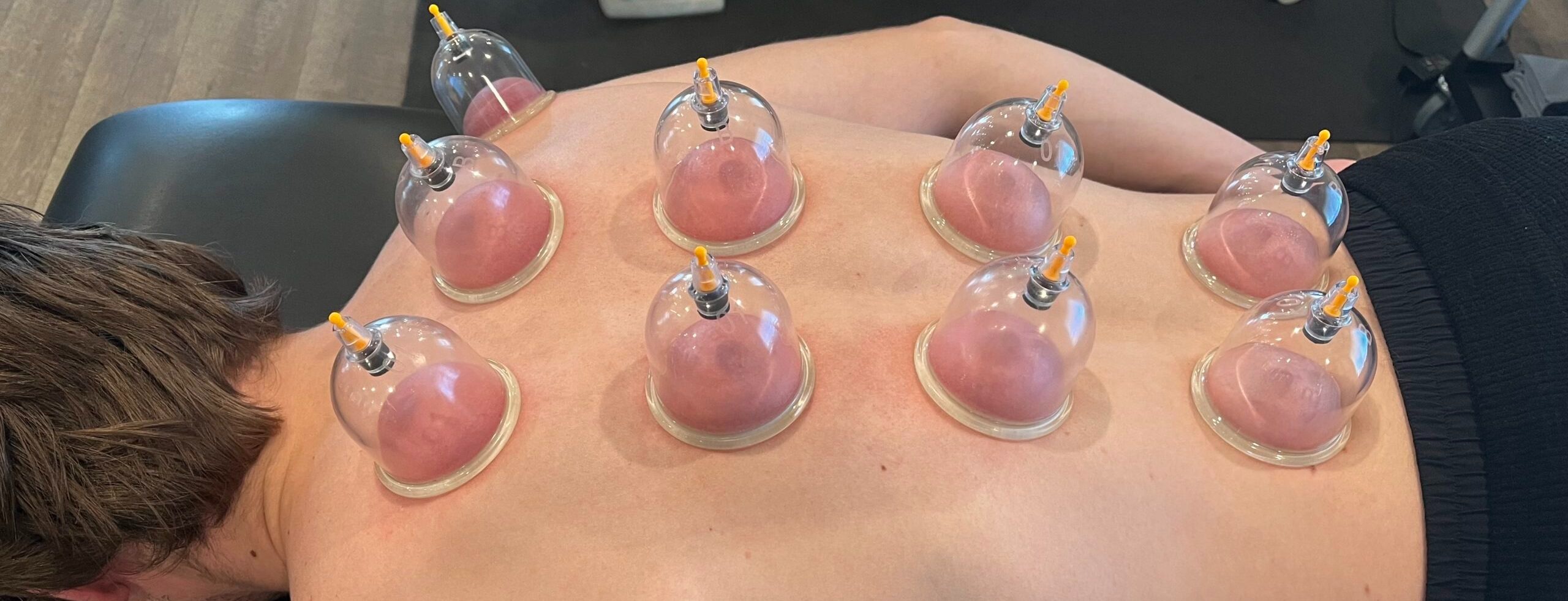
The therapist uses a hand pump or vacuum cups to create suction on the skin. You’ll feel a tight, pulling sensation, but it’s not painful.
This step, called dry cupping, stimulates circulation and draws stagnant blood toward the surface.
4. Controlled Incisions (Wet Cupping)
After a few minutes, the cups are removed, and tiny, superficial incisions are made using a sterile blade.
The cups are then reapplied to draw out a small amount of blood, which carries toxins, waste, and trapped impurities.
5. Completion and Cleansing
Once the process is complete, the therapist removes the cups and cleans the area using an antiseptic.
An herbal or black seed oil may be gently applied to soothe the skin and aid healing.
6. Duration
A full session usually lasts 30 to 60 minutes, depending on the number of cupping points and the individual’s condition.
What to Expect After Hijama?
After Hijama, your body enters a natural detox and recovery phase. This is when the healing process truly begins.
1. Mild Fatigue or Lightheadedness
You may feel a little tired or dizzy; that’s normal. It’s the body’s way of adjusting after the release of toxins.
2. Circular Marks or Mild Bruising
These marks are a result of suction and are completely harmless. They usually fade within 3 to 7 days and vary depending on the level of stagnation in your blood.
3. Feeling Lighter or More Relaxed
Many people describe an immediate sense of lightness, calm, and mental clarity after Hijama, as if a weight has been lifted from the body.
4. Improved Sleep and Energy
Because circulation improves and stress is reduced, you may notice better sleep, less pain, and more energy in the following days.
Common Reactions and Recovery
Hijama triggers the body’s self-healing response, which may involve temporary changes. Here’s what’s common:
-
Slight soreness or sensitivity at cupping points
-
Minor itching or redness as skin heals
-
Temporary increase in urination or bowel movement, a sign of detox
-
Mild emotional release or calmness
These effects are short-lived and usually disappear within 24–48 hours.
Aftercare Tips for the Best Results
Your post-session care plays a vital role in maximizing the benefits of Hijama.
1. Rest and Hydrate
Drink lots of water and natural juices to help the body flush out impurities. Avoid strenuous activity or exercise for at least 24 hours.
2. Avoid Hot Showers
Wait at least 24 hours before taking a hot bath or sauna. Warm water can irritate freshly cupped skin.
3. Keep the Area Clean
Avoid touching or scratching the treated spots. If you notice mild itching, apply natural oils like olive or black seed oil.
4. Eat Healthy Foods
Choose light, wholesome meals, fruits, vegetables, and soups. Avoid fried, spicy, or heavy foods right after the session.
5. Maintain Sunnah Routine
It’s recommended to do Hijama on the Sunnah days, the 17th, 19th, or 21st of the Islamic lunar month, for maximum blessings and spiritual reward.
For safe and professional Hijama sessions following Prophetic guidelines, you can visit Serene Hijama Ruqya, serving Mississauga, Milton, Oakville, and surrounding areas.
FAQs About Hijama Sessions
1. Does Hijama hurt?
Most people describe the feeling as mild pressure or tightness. The small cuts in wet cupping are barely noticeable and cause minimal discomfort.
2. How often should I do Hijama?
For general wellness, once every 3 to 6 months is ideal. Those with chronic conditions may benefit from more frequent sessions as advised by the therapist.
3. Can women do Hijama?
Yes. Hijama is safe for women (except during menstruation or the first trimester). It can help with fatigue, migraines, hormonal balance, and emotional health.
4. Can I exercise after Hijama?
It’s best to avoid physical exertion for at least 24 hours to allow the body to recover.
5. Is Hijama safe for everyone?
Hijama is safe when performed by trained professionals using hygienic tools. However, individuals with bleeding disorders or serious medical conditions should consult their doctor first.
Final Thoughts
Hijama is more than just a therapy; it’s a spiritual and physical detox that brings balance, relief, and renewal.
Knowing what to expect before, during, and after the session helps you prepare mentally and physically, ensuring a safe and fulfilling experience.
At Serene Hijama Ruqya, each session is performed with sincerity, care, and adherence to the Sunnah, offering a pathway to true healing and tranquility.