Author: ruqya

  • Hidden Jinn Identification Through Psychotherapy: Exploring the Intersection of Spiritual and Psychological Healing

    Hidden Jinn Identification Through Psychotherapy: Exploring the Intersection of Spiritual and Psychological Healing

    Hidden Jinn Identification Through Psychotherapy: Exploring the Intersection of Spiritual and Psychological Healing

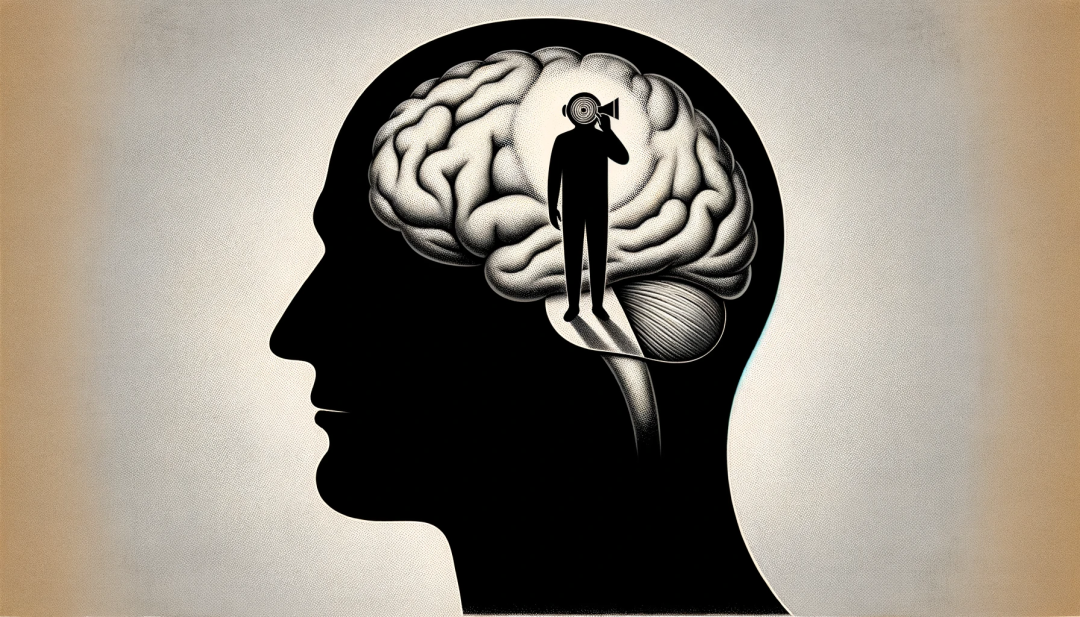
    In many Islamic traditions, jinn are believed to be supernatural beings that can influence human lives in both positive and negative ways. While some people believe that jinn can be a source of spiritual or psychological distress, others seek to understand how these influences might intersect with psychological conditions. One area of interest is the identification and treatment of hidden jinn through psychotherapy. In this blog post, we’ll explore the concept of jinn from an Islamic perspective, how their influence might manifest as psychological symptoms, and how psychotherapy can play a role in addressing these concerns.

    Understanding Jinn and Their Influence

    In Islam, jinn are created from smokeless fire and possess free will, similar to humans. They live in a parallel world to ours and can be either benevolent or malevolent. The belief in jinn is deeply rooted in Islamic teachings, and their influence is thought to affect various aspects of human life, including physical health, emotional well-being, and spiritual state.

    Types of Jinn Influences:

    • Possession: Some believe that malevolent jinn can possess or influence individuals, causing psychological and emotional distress. Symptoms might include sudden mood swings, irrational fears, or violent outbursts.
    • Whispering: Jinn may also influence thoughts and feelings through whispering (waswasah), which can lead to doubts, anxiety, or harmful behaviors.
    • Black Magic (Sihr): Jinn are often associated with black magic or witchcraft, which can be used to harm individuals spiritually and psychologically.

    Identifying Hidden Jinn Through Psychotherapy

    Psychotherapy, also known as talk therapy, is a common approach to treating psychological issues. It involves discussing problems with a trained mental health professional to understand and manage emotional and mental health challenges. While psychotherapy is primarily focused on addressing psychological issues, some individuals seek to explore whether their symptoms may have a spiritual or supernatural dimension, such as hidden jinn influence.

    Steps in Identifying Hidden Jinn Through Psychotherapy:

    1. Comprehensive Assessment:

    A thorough assessment is the first step in psychotherapy. This involves exploring the individual’s history, symptoms, and experiences. A mental health professional will typically use various assessment tools and techniques to understand the nature of the symptoms and any potential underlying causes.

    1. Differentiating Psychological and Spiritual Symptoms:

    The goal of psychotherapy is to differentiate between symptoms that may be rooted in psychological conditions versus those that might be influenced by spiritual or supernatural factors. For instance, anxiety and depression can manifest with symptoms similar to those attributed to jinn possession. Identifying these distinctions helps in providing appropriate treatment.

    1. Incorporating Cultural and Spiritual Sensitivity:

    When dealing with clients who believe they are affected by jinn, therapists may adopt a culturally sensitive approach. This includes respecting the individual’s beliefs and considering how these beliefs impact their psychological state. The therapist might integrate discussions about spiritual concerns and how they intersect with psychological symptoms.

    1. Referral to Islamic Practitioners:

    In cases where psychotherapy alone does not address the concerns, therapists may refer clients to Islamic practitioners, such as a Raaqi, who specialize in Ruqyah (spiritual healing). This referral ensures that clients receive comprehensive care that addresses both psychological and spiritual dimensions.

    1. Collaborative Approach:

    A collaborative approach involves working with both mental health professionals and spiritual practitioners to address the client’s needs. This may include integrating therapeutic techniques with spiritual practices, such as reciting Quranic verses for protection and healing, while continuing psychological support.

    Addressing Psychological Symptoms Linked to Jinn

    For individuals experiencing symptoms believed to be linked to jinn, psychotherapy can be effective in managing and alleviating psychological distress. Here’s how psychotherapy can help:

    1. Cognitive Behavioral Therapy (CBT):

    CBT is a common therapeutic approach that helps individuals identify and change negative thought patterns and behaviors. It can be particularly effective in addressing anxiety, depression, and irrational fears that may be interpreted as jinn-related.

    1. Trauma-Informed Therapy:

    For individuals who perceive their symptoms as related to past traumatic experiences or supernatural influences, trauma-informed therapy can help address the underlying emotional wounds. This approach emphasizes understanding and healing from trauma in a compassionate and supportive manner.

    1. Stress Management Techniques:

    Psychotherapy often includes teaching stress management techniques, such as relaxation exercises, mindfulness, and coping strategies. These techniques can help individuals manage symptoms of anxiety and stress that may be exacerbated by their belief in jinn influence.

    1. Building Coping Skills:

    Therapists work with clients to develop effective coping skills to manage distressing thoughts and emotions. This can include strategies for dealing with intrusive thoughts, emotional regulation, and enhancing resilience.

    1. Encouraging Positive Lifestyle Changes:

    Psychotherapy can also focus on encouraging positive lifestyle changes, such as improving sleep, nutrition, and exercise, which can have a significant impact on mental health and well-being.

    Integrating Islamic Practices

    For those who believe in the influence of jinn, integrating Islamic practices into their therapeutic approach can provide additional support:

    1. Regular Prayer and Supplications:

    Engaging in regular prayer and reciting supplications for protection, such as Ayat al-Kursi and Surah Al-Falaq, can offer spiritual reassurance and strengthen faith.

    1. Ruqyah (Spiritual Healing):

    Consulting a Raaqi for Ruqyah, the recitation of Quranic verses for healing and protection, can be a complementary approach to psychotherapy. It can address spiritual concerns while continuing psychological treatment.

    1. Strengthening Faith:

    Building a strong connection with Allah through acts of worship, repentance, and seeking forgiveness can provide emotional and spiritual support, reducing feelings of fear or distress related to jinn.

    Conclusion

    The intersection of psychological problems and the belief in jinn can be complex, requiring a nuanced approach to treatment. Psychotherapy offers valuable tools for managing and reducing psychological distress, while Islamic practices can provide spiritual support and healing. By integrating both approaches, individuals can address their concerns holistically, finding relief from psychological symptoms and spiritual disturbances. It is essential to approach this process with an open mind, respect for individual beliefs, and a commitment to comprehensive care.

    About the Author: This article was written and reviewed by the clinical team at ruqya.ca, certified practitioners with years of hands-on experience in traditional Ruqya (Islamic spiritual healing) and holistic wellness practices. Our team ensures that all content adheres to authentic Prophetic traditions while maintaining modern standards of clinical safety and psychological support.

    Last reviewed: May 2026 | Disclaimer: This content is for informational and spiritual guidance purposes and does not replace professional medical or psychiatric advice.

  • Understanding Psychological Problems and How to Reduce Them

    Understanding Psychological Problems and How to Reduce Them

    Understanding Psychological Problems and How to Reduce Them

    Psychological problems, often referred to as mental health issues, encompass a range of conditions that affect an individual’s emotional, psychological, and social well-being. These problems can impact daily functioning, relationships, and overall quality of life. In Islam, mental health is also recognized as an important aspect of holistic well-being, and there are specific teachings and practices that can help address and reduce psychological issues. In this blog post, we’ll explore what psychological problems are, how they can affect individuals, and how to reduce them from both a general and Islamic perspective.

    What Are Psychological Problems?

    Psychological problems include a variety of mental health conditions that can affect how a person thinks, feels, and behaves. Common psychological problems include:

    • Anxiety Disorders: Conditions characterized by excessive worry, fear, or panic attacks. Examples include generalized anxiety disorder (GAD), social anxiety disorder, and panic disorder.
    • Depressive Disorders: Conditions involving persistent feelings of sadness, hopelessness, or loss of interest in activities. Major depressive disorder (MDD) and persistent depressive disorder (dysthymia) are examples.
    • Mood Disorders: Conditions that involve significant fluctuations in mood, such as bipolar disorder, which includes episodes of mania and depression.
    • Obsessive-Compulsive Disorder (OCD): Characterized by intrusive thoughts (obsessions) and repetitive behaviors (compulsions) performed to reduce anxiety.
    • Post-Traumatic Stress Disorder (PTSD): A condition triggered by experiencing or witnessing a traumatic event, leading to flashbacks, severe anxiety, and emotional distress.

    These conditions can affect an individual’s ability to function normally and lead to significant distress. They often require a combination of therapeutic approaches, including counseling, medication, and lifestyle changes.

    Other Psychological Problems

    In addition to the general psychological issues, there are specific psychological concerns that may be viewed through an Islamic lens. These include:

    • Jinn Possession and Evil Eye (Al-‘Ayn): In Islamic tradition, psychological distress is sometimes attributed to supernatural influences such as jinn possession or the evil eye. These beliefs are part of a broader understanding of mental and spiritual health.
    • Spiritual Despondency: Feelings of despair or spiritual emptiness, which can occur when a person feels disconnected from their faith or has strayed from religious practices.
    • Guilt and Shame: Intense feelings of guilt or shame related to one’s actions or sins, which can affect mental well-being and lead to psychological distress.

    How to Reduce Psychological Problems?

    Reducing psychological problems involves a combination of professional treatment, self-care, and, for Muslims, incorporating Islamic practices that promote mental and spiritual well-being. Here are some strategies for addressing psychological problems:

    1. Seek Professional Help

    Professional help is essential for managing and reducing psychological problems. This includes:

    • Counseling and Therapy: Speaking with a mental health professional, such as a psychologist or counselor, can provide valuable support and strategies for coping with psychological issues. Cognitive-behavioral therapy (CBT) and other therapeutic approaches can help individuals manage symptoms and improve their quality of life.
    • Medication: For certain conditions, medication prescribed by a psychiatrist may be necessary to manage symptoms. It’s important to work closely with a healthcare provider to find the right treatment plan.
    1. Practice Self-Care

    Taking care of your mental health through self-care practices can significantly reduce psychological problems:

    • Healthy Lifestyle: Maintain a balanced diet, exercise regularly, and ensure adequate sleep. Physical health is closely linked to mental well-being, and taking care of your body can improve your mood and energy levels.
    • Stress Management: Engage in activities that help manage stress, such as mindfulness, meditation, or hobbies. Identifying and addressing sources of stress can prevent exacerbation of psychological issues.
    1. Incorporate Islamic Practices

    Islamic teachings provide a spiritual framework for addressing psychological problems and promoting mental health:

    • Regular Prayer (Salah): Performing the five daily prayers helps maintain a connection with Allah and provides moments of reflection and tranquility. Prayer can be a source of comfort and a means to seek guidance and support.
    • Recitation of Quranic Verses: The Quran contains verses that offer solace and guidance, such as Surah Al-Fatiha, Surah Al-Baqarah, and Surah Ar-Rahman. Reciting these verses with understanding and intention can bring peace to the heart and mind.
    • Dhikr (Remembrance of Allah): Engaging in Dhikr, or the remembrance of Allah, through phrases like “SubhanAllah” (Glory be to Allah), “Alhamdulillah” (All praise be to Allah), and “Allahu Akbar” (Allah is the Greatest), can reduce anxiety and bring spiritual calm.
    • Seeking Forgiveness and Repentance: Asking Allah for forgiveness and engaging in sincere repentance can alleviate feelings of guilt and shame. Understanding that Allah’s mercy is vast can help relieve psychological burdens.
    • Maintaining a Strong Support System: Building and nurturing relationships with family, friends, and community members can provide emotional support and reduce feelings of isolation. Islamic teachings emphasize the importance of community and mutual support.
    • Ruqyah and Seeking Protection: For those who believe they are affected by spiritual issues such as the evil eye or jinn possession, performing Ruqyah (spiritual healing) with Quranic recitations and supplications can help. Consulting a knowledgeable and pious individual for guidance can also be beneficial.
    1. Engage in Positive Activities
    • Volunteering and Helping Others: Engaging in acts of kindness and helping those in need can provide a sense of purpose and fulfillment, contributing positively to mental well-being.
    • Setting Goals and Staying Productive: Setting achievable goals and staying engaged in meaningful activities can provide a sense of accomplishment and reduce feelings of hopelessness.

    Conclusion

    Psychological problems can significantly impact an individual’s life, but with the right approach, they can be managed and reduced. Seeking professional help, practicing self-care, and incorporating Islamic practices into daily life can provide a comprehensive strategy for addressing psychological issues. By combining these approaches, individuals can achieve better mental and spiritual well-being, finding balance and relief from the challenges they face.

    About the Author: This article was written and reviewed by the clinical team at ruqya.ca, certified practitioners with years of hands-on experience in traditional Ruqya (Islamic spiritual healing) and holistic wellness practices. Our team ensures that all content adheres to authentic Prophetic traditions while maintaining modern standards of clinical safety and psychological support.

    Last reviewed: May 2026 | Disclaimer: This content is for informational and spiritual guidance purposes and does not replace professional medical or psychiatric advice.

  • Understanding Raaqi: The Islamic Healer and Their Role in Spiritual Well-being

    Understanding Raaqi: The Islamic Healer and Their Role in Spiritual Well-being

    In Islam, the concept of spiritual healing is deeply rooted in the belief that physical and emotional ailments can be influenced by spiritual forces. One of the key figures in Islamic spiritual healing is the Raaqi—an individual who is skilled in the practice of Ruqyah, the recitation of specific verses from the Quran and supplications to seek protection and healing from various forms of harm. The role of a Raaqi is both respected and significant within the Muslim community, as they provide a source of comfort and relief for those suffering from spiritual afflictions. In this blog post, we will explore what it means to be a Raaqi, their role in Islamic healing, and the importance of Ruqyah in maintaining spiritual well-being.

    Who Is a Raaqi?

    A Raaqi is a person who performs Ruqyah, a form of Islamic spiritual healing. The term “Ruqyah” refers to the recitation of Quranic verses, prayers, and invocations to seek protection and healing from spiritual ailments, such as the evil eye (Al-‘Ayn), black magic (Sihr), and possession by jinn. A Raaqi is typically knowledgeable in Islamic theology, versed in the appropriate verses and prayers, and committed to helping others through the spiritual power of the Quran.

    It is important to note that the role of a Raaqi is not limited to clerics or religious scholars. Any Muslim who has a deep understanding of the Quran and the principles of Ruqyah can perform this healing practice. However, a Raaqi should have a sincere intention, strong faith, and a comprehensive knowledge of Islamic teachings to ensure that the Ruqyah is performed correctly and effectively.

    The Role of a Raaqi in Islamic Healing

    The role of a Raaqi is to provide spiritual support and healing to those who are experiencing physical, emotional, or spiritual distress. This healing process is rooted in the belief that the Quran has divine power, and that its verses can bring comfort, protection, and cure to believers. Here are some of the key functions of a Raaqi:

    1. Recitation of Quranic Verses: A Raaqi recites specific verses from the Quran that are believed to have healing properties. These verses include Ayat al-Kursi (Surah Al-Baqarah 2:255), Surah Al-Falaq, Surah An-Naas, and Surah Al-Ikhlas, among others. The recitation is done with the intention of seeking Allah’s protection and healing from harm.
    2. Offering Spiritual Guidance: A Raaqi often provides spiritual guidance to those seeking healing, helping them strengthen their faith and trust in Allah. This guidance may include advice on how to protect oneself from spiritual harm, such as performing regular prayers, reading the Quran, and making supplications.
    3. Addressing Spiritual Afflictions: A Raaqi is called upon to help individuals who believe they are suffering from spiritual afflictions, such as the evil eye, black magic, or jinn possession. Through Ruqyah, the Raaqi seeks to neutralize these negative influences and restore the individual’s spiritual balance.
    4. Encouraging Positive Practices: In addition to performing Ruqyah, a Raaqi may encourage the individual to engage in positive Islamic practices, such as maintaining cleanliness, performing regular Dhikr (remembrance of Allah), and giving charity. These practices are believed to enhance one’s spiritual well-being and provide additional protection from harm.

    The Importance of Ruqyah

    Ruqyah plays a vital role in Islamic healing, as it emphasizes the power of the Quran and the importance of turning to Allah in times of distress. The practice of Ruqyah is based on the belief that spiritual ailments can manifest as physical or emotional problems, and that healing must address both the spiritual and physical aspects of a person.

    1. Protection from Harm: Ruqyah is a means of seeking protection from various forms of harm, including envy, evil eye, and supernatural influences. By reciting Quranic verses and supplications, Muslims seek Allah’s protection and blessings, ensuring that they remain safe from negative influences.
    2. Strengthening Faith: The practice of Ruqyah strengthens a believer’s faith by reinforcing the belief that Allah is the ultimate source of healing and protection. It encourages individuals to rely on their faith and trust in Allah’s power to overcome challenges and hardships.
    3. Promoting Peace of Mind: Ruqyah provides comfort and peace of mind to those who are experiencing distress. The recitation of the Quran has a soothing effect on the soul, helping individuals feel calm and reassured that they are under Allah’s protection.
    4. Holistic Healing: Ruqyah addresses the spiritual, emotional, and physical aspects of a person’s well-being. By focusing on the spiritual root of the problem, Ruqyah promotes holistic healing, ensuring that the individual’s overall health and well-being are restored.

    Conclusion

    The role of a Raaqi in Islamic spiritual healing is essential for those seeking relief from spiritual ailments and protection from harm. Through the practice of Ruqyah, Raaqis help individuals strengthen their faith, seek Allah’s protection, and achieve spiritual well-being. The importance of Ruqyah in Islam cannot be overstated, as it serves as a powerful reminder of the healing power of the Quran and the importance of turning to Allah in times of need.

    Whether performed by a Raaqi or by oneself, Ruqyah is a practice that brings comfort, protection, and peace to believers, reinforcing their connection with Allah and their trust in His divine power.

    About the Author: This article was written and reviewed by the clinical team at ruqya.ca, certified practitioners with years of hands-on experience in traditional Ruqya (Islamic spiritual healing) and holistic wellness practices. Our team ensures that all content adheres to authentic Prophetic traditions while maintaining modern standards of clinical safety and psychological support.

    Last reviewed: May 2026 | Disclaimer: This content is for informational and spiritual guidance purposes and does not replace professional medical or psychiatric advice.

  • Types of Nazar in Islam and the Role of Ruqyah

    Types of Nazar in Islam and the Role of Ruqyah

    Types of Nazar in Islam and the Role of Ruqyah

    Nazar, or the evil eye, is a commonly believed concept in many cultures, including Islam. It refers to the negative energy or envy that can be directed towards someone, potentially causing harm or misfortune. In Islamic belief, seeking refuge in Allah is crucial to protect oneself from the ill effects of nazar.

    Types of Nazar

    Nazar can manifest in various forms:

    1. Direct Nazar: This occurs when someone intentionally or unintentionally casts an evil eye on another person.
    2. Indirect Nazar: This happens when someone admires or praises another excessively without seeking protection from Allah.
    3. Nazar on Objects: This type of nazar affects inanimate objects, such as belongings or possessions.

    Signs of Nazar

    While not definitive, some common signs associated with nazar include:

    • Sudden illness or unexplained discomfort
    • Unusual behavior or mood swings
    • Financial difficulties or setbacks
    • Relationship problems
    • Loss of appetite or sleep disturbances

    The Role of Ruqyah in Combating Nazar

    Ruqyah, the Islamic practice of reciting specific Quranic verses to seek healing and protection, is a powerful tool for combating the effects of nazar. By seeking refuge in Allah through Ruqyah, individuals can seek relief from the negative impact of the evil eye.

    How Ruqyah Helps:

    • Neutralizing Negative Energy: Ruqyah is believed to counteract the negative energy associated with nazar.
    • Seeking Allah’s Protection: Reciting Quranic verses creates a protective shield against evil influences.
    • Restoring Balance: Ruqyah helps restore balance and harmony to an individual’s life.
    • Strengthening Faith: The practice of Ruqyah deepens one’s connection with Allah and strengthens faith.

    Prevention of Nazar

    To prevent nazar, it is recommended to:

    • Seek refuge in Allah regularly by reciting verses like Ayatul Kursi, Surah Al-Falaq, and Surah An-Nas.
    • Avoid excessive praise or admiration of others without seeking Allah’s protection.
    • Practice gratitude and humility.

    Important Note: While Ruqyah is a valuable tool, it is essential to consult a qualified medical professional for any physical ailments.

    Why Choose Ruqyah Professionals?

    While many individuals may attempt to perform Ruqyah on themselves or loved ones, seeking the guidance of a qualified Ruqyah professional offers several advantages:

    Expertise and Knowledge

    • Deep Understanding: Ruqyah professionals possess in-depth knowledge of Quranic verses, supplications, and Islamic healing practices.
    • Accurate Diagnosis: They can accurately identify the root cause of a problem, whether it’s a physical, spiritual, or psychological issue.
    • Tailored Treatment: Professionals can provide personalized treatment plans based on individual needs.

    Spiritual Guidance

    • Spiritual Support: Ruqyah practitioners offer spiritual guidance and support throughout the healing process.
    • Strengthening Faith: They can help individuals develop a stronger connection with Allah.
    • Overcoming Challenges: Professionals can provide advice on how to overcome obstacles that may hinder the healing process.

    Protection from Misinterpretation

    • Correct Practices: Ruqyah professionals ensure that the practice is performed according to Islamic guidelines.
    • Avoiding Misconceptions: They can dispel myths and misconceptions about Ruqyah.
    • Ethical Conduct: Professionals maintain high ethical standards in their practice.

    Time and Effort

    • Efficiency: Seeking help from a professional saves time and effort compared to self-treatment.
    • Focus on Healing: Individuals can concentrate on their recovery without worrying about the intricacies of Ruqyah.

    Remember: While seeking help from a Ruqyah professional is beneficial, it’s essential to choose someone who is qualified, experienced, and reputable.

    By opting for a qualified Ruqyah practitioner, individuals can increase their chances of a successful and positive outcome.

    About the Author: This article was written and reviewed by the clinical team at ruqya.ca, certified practitioners with years of hands-on experience in traditional Ruqya (Islamic spiritual healing) and holistic wellness practices. Our team ensures that all content adheres to authentic Prophetic traditions while maintaining modern standards of clinical safety and psychological support.

    Last reviewed: May 2026 | Disclaimer: This content is for informational and spiritual guidance purposes and does not replace professional medical or psychiatric advice.

  • Supplications and Treatment with Ruqyah: A Holistic Approach to Healing

    Supplications and Treatment with Ruqyah: A Holistic Approach to Healing

    Supplications and Treatment with Ruqyah: A Holistic Approach to Healing

    Ruqyah, a form of Islamic healing, is a powerful tool for seeking relief from various ailments, both physical and spiritual. While the recitation of specific Quranic verses is central to the practice, incorporating supplications (dua) and other forms of treatment can enhance the healing process.

    Understanding the Role of Supplications in Ruqyah

    Supplications, or dua, are heartfelt prayers to Allah seeking His mercy, guidance, and healing. They play a crucial role in Ruqyah as they strengthen one’s faith and connection with the Divine. When combined with Ruqyah, supplications can amplify the healing process and bring peace of mind.

    Benefits of Supplications in Ruqyah

    • Strengthening Faith: Regular supplications deepen one’s belief in Allah’s power to heal.
    • Increased Patience: Supplications cultivate patience and resilience during the healing journey.
    • Mental and Emotional Well-being: Prayer can provide comfort and reduce stress.
    • Complementary Healing: Supplications work in harmony with Ruqyah to enhance its effectiveness.

    Recommended Supplications for Ruqyah

    While any supplication seeking Allah’s healing is beneficial, here are some specific verses and duas that can be recited during or after Ruqyah:

    • Ayatul-Kursi: A powerful verse from the Quran known for its protection and blessings.
    • Surah Al-Falaq and Surah An-Nas: The last two surahs of the Quran, offering protection from evil.
    • Dua for Healing: Seek Allah’s mercy and healing through heartfelt prayers.

    Combining Ruqyah with Other Treatments

    In some cases, Ruqyah can be complemented by other forms of treatment, both conventional and alternative. Always consult with a qualified medical professional for any physical ailments.

    • Medical Treatment: Modern medicine can address underlying physical conditions.
    • Herbal Remedies: Some herbs and natural remedies may support the healing process.
    • Counseling and Therapy: Addressing emotional and psychological factors can be beneficial.
    Important Considerations
    • Patience: Healing takes time. Be patient and consistent in your practice.
    • Faith and Trust: Maintain strong faith in Allah’s healing power.
    • Seek Guidance: Consult with knowledgeable individuals for guidance on Ruqyah and supplications.

    By combining Ruqyah, supplications, and potentially other forms of treatment, individuals can approach healing holistically, seeking both physical and spiritual well-being. Remember, it’s essential to maintain a positive mindset and trust in Allah’s plan.

    About the Author: This article was written and reviewed by the clinical team at ruqya.ca, certified practitioners with years of hands-on experience in traditional Ruqya (Islamic spiritual healing) and holistic wellness practices. Our team ensures that all content adheres to authentic Prophetic traditions while maintaining modern standards of clinical safety and psychological support.

    Last reviewed: May 2026 | Disclaimer: This content is for informational and spiritual guidance purposes and does not replace professional medical or psychiatric advice.

    Understanding the Scope of Authentic Islamic Healing

    As the demand for traditional and faith-based remedies grows, it is essential to ground our practices in authentic sources. Authentic Ruqya is fundamentally based on the recitation of the Quran and supplications taught by the Prophet Muhammad (peace be upon him). It is a holistic approach to healing that recognizes the intricate connection between physical health, mental well-being, and spiritual resilience. Unlike secular therapy models, Islamic spiritual healing addresses afflictions that may originate from metaphysical sources—such as the evil eye (al-ayn), destructive envy (hasad), and other unseen influences—providing a comprehensive framework for recovery.

    Our commitment to authentic healing extends beyond the treatment room. We emphasize the importance of daily spiritual maintenance, including the consistent recitation of morning and evening adhkar (remembrances), maintaining ritual purity, and establishing a strong connection with the Quran. These practices not only serve as a cure for existing ailments but also act as a powerful preventative shield against future spiritual disturbances. Many of our clients report that integrating these Sunnah-based habits into their daily routines has profoundly transformed their ability to cope with modern stressors and anxiety.

    Furthermore, we advocate for an integrated approach where spiritual healing complements, rather than replaces, necessary medical or psychological interventions. If an individual is experiencing severe clinical depression or a diagnosed physical illness, Ruqya acts as a spiritual catalyst for healing alongside professional medical care. We strictly adhere to ethical guidelines, ensuring that our methods are transparent, safe, and aligned with orthodox Islamic jurisprudence. Education is a cornerstone of our mission; we strive to demystify Ruqya, equipping the community with the knowledge needed to distinguish authentic practitioners from those who utilize forbidden or harmful practices.

    In conclusion, authentic spiritual healing is a journey of returning to the foundational principles of faith. It requires patience (sabr), complete reliance on Allah (tawakkul), and a sincere intention to seek a cure through permissible means. We are dedicated to walking alongside our clients on this journey, providing compassionate support, expert guidance, and a safe environment for true healing to occur.

  • How to Find a Ruqyah Center Near You?

    How to Find a Ruqyah Center Near You?

    How to Find a Ruqyah Center Near You?

    Before we delve into finding a Ruqyah center, it’s essential to understand what Ruqyah is. Ruqyah is a form of Islamic healing that involves reciting specific verses from the Quran to seek relief from physical or spiritual ailments. It’s based on the belief in seeking healing through Allah’s words.

    Importance of Finding a Reputable Center

    Choosing the right Ruqyah center is crucial. Ensure the center adheres to Islamic principles and practices. Look for qualified practitioners who have a deep understanding of the Quran and Sunnah.

    Steps to Find a Ruqyah Center Near You

    1. Local Mosques:
      • Many mosques offer Ruqyah services or can direct you to a nearby center.
      • Contact your local mosque’s Imam or community leader for guidance.
    2. Online Search:
      • Use search engines like Google to find Ruqyah centers in your area.
      • Look for websites, social media pages, or online directories.
    3. Word of Mouth:
      • Seek recommendations from trusted friends, family, or community members who have experience with Ruqyah.
    4. Islamic Centers:
      • Contact Islamic centers or community organizations in your area. They often have information about Ruqyah services.
    5. Verify Credentials:
      • Once you find potential centers, research their credentials and reputation.
      • Ensure the practitioners are knowledgeable and experienced in Ruqyah.

    Additional Tips:

    • Consult with Your Doctor: While Ruqyah is a spiritual practice, it’s essential to consult with a medical professional for any physical ailments.
    • Patience and Persistence: Healing takes time. Be patient and consistent in seeking Ruqyah treatment.
    • Combine with Dua and Istighfar: Alongside Ruqyah, incorporate supplications (Dua) and seeking forgiveness (Istighfar) to strengthen your faith and healing process.

    Remember: Ruqyah is a complementary healing method, and its effectiveness varies from person to person. Always prioritize seeking medical attention for serious health conditions.

    By following these steps and exercising caution, you can find a reputable Ruqyah center that aligns with your spiritual needs. May Allah grant you healing and well-being.

    About the Author: This article was written and reviewed by the clinical team at ruqya.ca, certified practitioners with years of hands-on experience in traditional Ruqya (Islamic spiritual healing) and holistic wellness practices. Our team ensures that all content adheres to authentic Prophetic traditions while maintaining modern standards of clinical safety and psychological support.

    Last reviewed: May 2026 | Disclaimer: This content is for informational and spiritual guidance purposes and does not replace professional medical or psychiatric advice.

    Understanding the Scope of Authentic Islamic Healing

    As the demand for traditional and faith-based remedies grows, it is essential to ground our practices in authentic sources. Authentic Ruqya is fundamentally based on the recitation of the Quran and supplications taught by the Prophet Muhammad (peace be upon him). It is a holistic approach to healing that recognizes the intricate connection between physical health, mental well-being, and spiritual resilience. Unlike secular therapy models, Islamic spiritual healing addresses afflictions that may originate from metaphysical sources—such as the evil eye (al-ayn), destructive envy (hasad), and other unseen influences—providing a comprehensive framework for recovery.

    Our commitment to authentic healing extends beyond the treatment room. We emphasize the importance of daily spiritual maintenance, including the consistent recitation of morning and evening adhkar (remembrances), maintaining ritual purity, and establishing a strong connection with the Quran. These practices not only serve as a cure for existing ailments but also act as a powerful preventative shield against future spiritual disturbances. Many of our clients report that integrating these Sunnah-based habits into their daily routines has profoundly transformed their ability to cope with modern stressors and anxiety.

    Furthermore, we advocate for an integrated approach where spiritual healing complements, rather than replaces, necessary medical or psychological interventions. If an individual is experiencing severe clinical depression or a diagnosed physical illness, Ruqya acts as a spiritual catalyst for healing alongside professional medical care. We strictly adhere to ethical guidelines, ensuring that our methods are transparent, safe, and aligned with orthodox Islamic jurisprudence. Education is a cornerstone of our mission; we strive to demystify Ruqya, equipping the community with the knowledge needed to distinguish authentic practitioners from those who utilize forbidden or harmful practices.

    In conclusion, authentic spiritual healing is a journey of returning to the foundational principles of faith. It requires patience (sabr), complete reliance on Allah (tawakkul), and a sincere intention to seek a cure through permissible means. We are dedicated to walking alongside our clients on this journey, providing compassionate support, expert guidance, and a safe environment for true healing to occur.

  • Psychotherapy and Ruqyah: A Holistic Approach to Healing

    Psychotherapy and Ruqyah: A Holistic Approach to Healing

    The intricate interplay between the mind, body, and spirit has long been recognized in various healing modalities. In recent times, there has been a growing interest in integrating Western psychological therapies with Islamic spiritual practices like Ruqyah. This holistic approach aims to address the multifaceted nature of human suffering.

    Understanding Psychotherapy and Ruqyah

    • Psychotherapy: A form of talk therapy, psychotherapy involves a dialogue between a therapist and a patient to treat mental, emotional, and behavioral disorders. It focuses on understanding and addressing the root causes of psychological distress.
    • Ruqyah: A spiritual practice rooted in Islamic traditions, Ruqyah involves reciting specific verses from the Quran, supplications, and remembrance of Allah to seek healing and protection from various ailments, including spiritual, emotional, and physical issues.

    The Intersection of Psychotherapy and Ruqyah

    While psychotherapy and Ruqyah may seem distinct, they can complement each other effectively. Both approaches recognize the importance of addressing the whole person – mind, body, and spirit.

    • Complementary Therapies: Psychotherapy can help individuals understand and manage their emotional responses, while Ruqyah can address underlying spiritual imbalances.
    • Shared Goals: Both modalities aim to alleviate suffering, promote well-being, and empower individuals to lead fulfilling lives.
    • Holistic Healing: By combining these approaches, individuals can experience a more comprehensive and effective healing process.

    When to Consider Psychotherapy and Ruqyah?

    • Complex Mental Health Issues: For individuals dealing with complex mental health conditions, a combination of psychotherapy and Ruqyah can provide a holistic approach.
    • Spiritual Distress: When emotional or psychological issues have a spiritual component, Ruqyah can offer additional support.
    • Chronic Physical Ailments: Some physical conditions may have underlying psychological or spiritual factors, making a combined approach beneficial.

    Finding the Right Balance

    It’s essential to find a qualified and experienced therapist who is respectful of your faith and beliefs. Similarly, a Ruqyah practitioner should be knowledgeable about psychological well-being and willing to collaborate with mental health professionals.

    Remember, the integration of psychotherapy and Ruqyah is a personal journey. It’s important to find an approach that resonates with your individual needs and beliefs.

    Disclaimer: This blog post is intended for informational purposes only and does not constitute medical or psychological advice. Always consult with qualified professionals for guidance on your specific situation.

    About the Author: This article was written and reviewed by the clinical team at ruqya.ca, certified practitioners with years of hands-on experience in traditional Ruqya (Islamic spiritual healing) and holistic wellness practices. Our team ensures that all content adheres to authentic Prophetic traditions while maintaining modern standards of clinical safety and psychological support.

    Last reviewed: May 2026 | Disclaimer: This content is for informational and spiritual guidance purposes and does not replace professional medical or psychiatric advice.

    Understanding the Scope of Authentic Islamic Healing

    As the demand for traditional and faith-based remedies grows, it is essential to ground our practices in authentic sources. Authentic Ruqya is fundamentally based on the recitation of the Quran and supplications taught by the Prophet Muhammad (peace be upon him). It is a holistic approach to healing that recognizes the intricate connection between physical health, mental well-being, and spiritual resilience. Unlike secular therapy models, Islamic spiritual healing addresses afflictions that may originate from metaphysical sources—such as the evil eye (al-ayn), destructive envy (hasad), and other unseen influences—providing a comprehensive framework for recovery.

    Our commitment to authentic healing extends beyond the treatment room. We emphasize the importance of daily spiritual maintenance, including the consistent recitation of morning and evening adhkar (remembrances), maintaining ritual purity, and establishing a strong connection with the Quran. These practices not only serve as a cure for existing ailments but also act as a powerful preventative shield against future spiritual disturbances. Many of our clients report that integrating these Sunnah-based habits into their daily routines has profoundly transformed their ability to cope with modern stressors and anxiety.

    Furthermore, we advocate for an integrated approach where spiritual healing complements, rather than replaces, necessary medical or psychological interventions. If an individual is experiencing severe clinical depression or a diagnosed physical illness, Ruqya acts as a spiritual catalyst for healing alongside professional medical care. We strictly adhere to ethical guidelines, ensuring that our methods are transparent, safe, and aligned with orthodox Islamic jurisprudence. Education is a cornerstone of our mission; we strive to demystify Ruqya, equipping the community with the knowledge needed to distinguish authentic practitioners from those who utilize forbidden or harmful practices.

    In conclusion, authentic spiritual healing is a journey of returning to the foundational principles of faith. It requires patience (sabr), complete reliance on Allah (tawakkul), and a sincere intention to seek a cure through permissible means. We are dedicated to walking alongside our clients on this journey, providing compassionate support, expert guidance, and a safe environment for true healing to occur.

  • Hijama Cupping Therapy: A Sunnah-Based Healing Modality

    Hijama Cupping Therapy: A Sunnah-Based Healing Modality

    Hijama Cupping Therapy: A Sunnah-Based Healing Modality

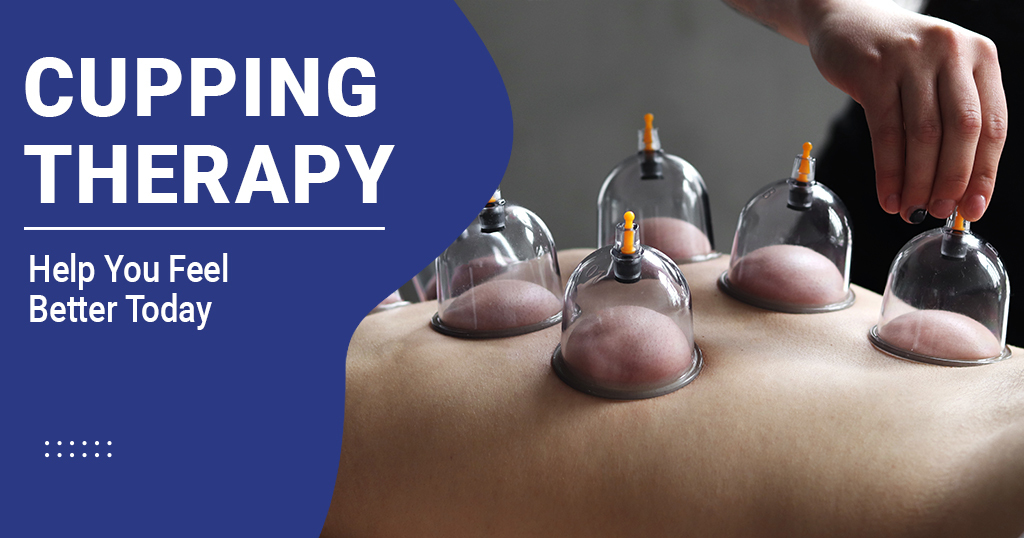
    Hijama, or cupping therapy, is a therapeutic practice with deep roots in Islamic tradition. It is considered a Sunnah, meaning a practice or action of Prophet Muhammad (peace be upon him). This ancient healing method has gained significant attention in recent times for its potential health benefits.

    Hijama: A Sunnah Practice

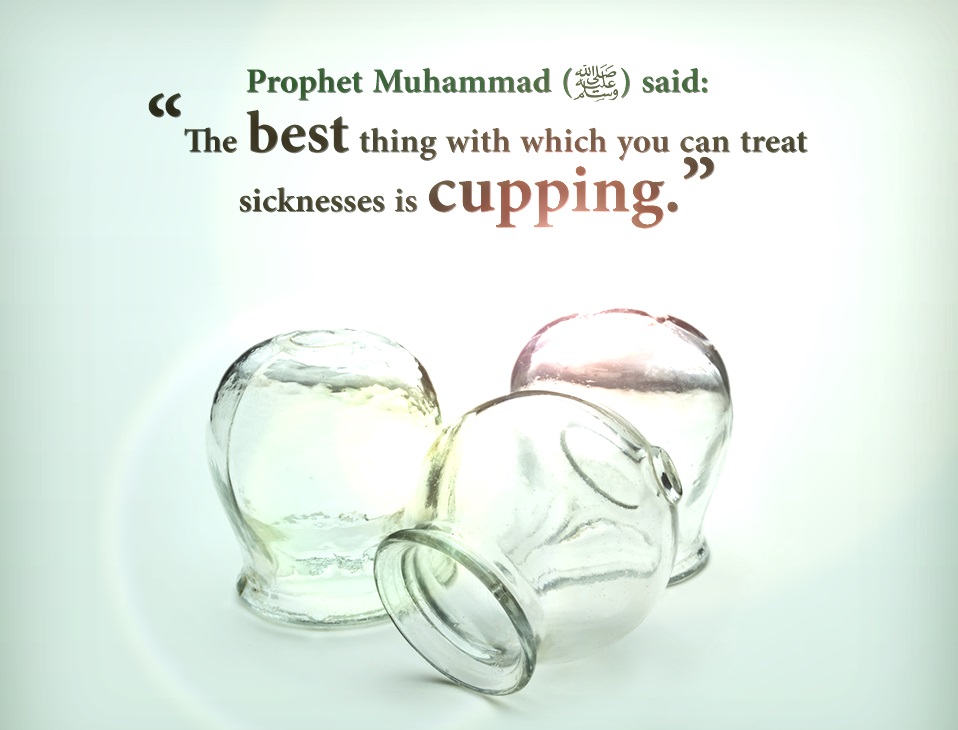
    The Prophet Muhammad (peace be upon him) highly recommended hijama as a form of healing. Several hadiths (sayings and actions of the Prophet) emphasize its benefits. It was often used to treat various ailments, including headaches, back pain, and even poisoning.

    Benefits of Hijama Cupping Therapy

    Cupping therapy - Types, Benefits and Side Effects

    • Pain Relief: Hijama is particularly effective in alleviating chronic and acute pain. It increases blood flow to the affected area, reducing inflammation and muscle tension.
    • Improved Blood Circulation: By drawing blood to the surface, hijama enhances blood circulation, delivering vital nutrients and oxygen to tissues.
    • Detoxification: The process is believed to help remove toxins and impurities from the body, promoting overall well-being.
    • Boosted Immune System: Regular hijama sessions can help strengthen the immune system, making the body more resilient to infections.
    • Mental Clarity and Focus: Some people report improved cognitive function and increased mental clarity after hijama.
    • Skin Health: Hijama can improve skin conditions by stimulating blood flow and promoting skin regeneration.

    Hijama: The Sunnah Way

    To truly experience the benefits of hijama, it’s essential to adhere to the Sunnah guidelines:

    • Best Days: The Prophet (peace be upon him) recommended performing hijama on the 17th, 19th, or 21st day of the Islamic lunar month.
    • Cupping Points: Specific points on the body are traditionally used for hijama, as indicated in the Sunnah.
    • Intention: Performing hijama with the intention of seeking healing and following the Sunnah is crucial.

    Important Considerations

    While hijama offers numerous benefits, it’s essential to consult with a qualified healthcare provider before starting any new treatment, especially if you have underlying health conditions. It’s also crucial to find a practitioner who adheres to the Sunnah and maintains high hygiene standards.

    By understanding the Sunnah-based principles of hijama and choosing a qualified practitioner, you can experience the potential healing and well-being benefits of this ancient practice.

    About the Author: This article was written and reviewed by the clinical team at ruqya.ca, certified practitioners with years of hands-on experience in traditional Ruqya (Islamic spiritual healing) and holistic wellness practices. Our team ensures that all content adheres to authentic Prophetic traditions while maintaining modern standards of clinical safety and psychological support.

    Last reviewed: May 2026 | Disclaimer: This content is for informational and spiritual guidance purposes and does not replace professional medical or psychiatric advice.

    Understanding the Scope of Authentic Islamic Healing

    As the demand for traditional and faith-based remedies grows, it is essential to ground our practices in authentic sources. Authentic Ruqya is fundamentally based on the recitation of the Quran and supplications taught by the Prophet Muhammad (peace be upon him). It is a holistic approach to healing that recognizes the intricate connection between physical health, mental well-being, and spiritual resilience. Unlike secular therapy models, Islamic spiritual healing addresses afflictions that may originate from metaphysical sources—such as the evil eye (al-ayn), destructive envy (hasad), and other unseen influences—providing a comprehensive framework for recovery.

    Our commitment to authentic healing extends beyond the treatment room. We emphasize the importance of daily spiritual maintenance, including the consistent recitation of morning and evening adhkar (remembrances), maintaining ritual purity, and establishing a strong connection with the Quran. These practices not only serve as a cure for existing ailments but also act as a powerful preventative shield against future spiritual disturbances. Many of our clients report that integrating these Sunnah-based habits into their daily routines has profoundly transformed their ability to cope with modern stressors and anxiety.

    Furthermore, we advocate for an integrated approach where spiritual healing complements, rather than replaces, necessary medical or psychological interventions. If an individual is experiencing severe clinical depression or a diagnosed physical illness, Ruqya acts as a spiritual catalyst for healing alongside professional medical care. We strictly adhere to ethical guidelines, ensuring that our methods are transparent, safe, and aligned with orthodox Islamic jurisprudence. Education is a cornerstone of our mission; we strive to demystify Ruqya, equipping the community with the knowledge needed to distinguish authentic practitioners from those who utilize forbidden or harmful practices.

    In conclusion, authentic spiritual healing is a journey of returning to the foundational principles of faith. It requires patience (sabr), complete reliance on Allah (tawakkul), and a sincere intention to seek a cure through permissible means. We are dedicated to walking alongside our clients on this journey, providing compassionate support, expert guidance, and a safe environment for true healing to occur.

  • What is Ruqyah? A Comprehensive Guide

    What is Ruqyah? A Comprehensive Guide

    What is Ruqyah? A Comprehensive Guide

    Ruqyah is an Islamic practice involving the recitation of specific verses from the Quran, supplications, and remembrance of Allah to seek protection, healing, or relief from various ailments, including physical, psychological, and spiritual issues. It is believed to be a form of spiritual healing and protection.

    Types of Ruqyah

    There are two primary types of Ruqyah:

    1. Ruqyah Shar’iyyah: This is the authentic form of Ruqyah, strictly adhering to the Quran and Sunnah (the teachings and practices of Prophet Muhammad). It involves the recitation of specific Quranic verses, supplications, and dhikr (remembrance of Allah) with the intention of seeking healing and protection from Allah alone.
    2. Ruqyah Shirkiah: This is an unacceptable form of Ruqyah that involves practices contrary to Islamic teachings. It may include invoking other than Allah, using amulets or charms, or attributing healing powers to individuals other than Allah. It is essential to avoid such practices as they are considered shirk (associating partners with Allah).

    Benefits of Ruqyah

    • Spiritual Healing: Ruqyah is believed to address spiritual root causes of ailments, leading to overall well-being.
    • Psychological Relief: It can provide comfort and peace of mind, helping to alleviate anxiety and stress.
    • Physical Healing: While not a substitute for medical treatment, Ruqyah is often used as a complementary approach to address underlying spiritual factors contributing to physical ailments.
    • Protection from Evil: Ruqyah is believed to offer protection from the evil eye, black magic, and other negative influences.

    How to Choose a Ruqyah Practitioner?

    Choosing a qualified and trustworthy Ruqyah practitioner is crucial. Here are some guidelines:

    • Seek Recommendations: Ask trusted individuals for recommendations.
    • Knowledge of Islam: The practitioner should have a strong understanding of Islamic principles and the Quran.
    • Avoid Commercialization: Be cautious of practitioners who prioritize financial gain over spiritual healing.
    • Focus on Allah: The practitioner should emphasize reliance on Allah for healing and avoid attributing powers to themselves.
    • Clear Intentions: Ensure the practitioner’s intentions are pure and focused on helping others.

    Important Note: While Ruqyah can be a beneficial practice, it is essential to consult with qualified medical professionals for any physical health concerns. Ruqyah should be seen as a complementary approach to conventional medicine, not a replacement.

    By understanding the principles of Ruqyah and carefully selecting a practitioner, individuals can explore this form of spiritual healing with confidence.

    About the Author: This article was written and reviewed by the clinical team at ruqya.ca, certified practitioners with years of hands-on experience in traditional Ruqya (Islamic spiritual healing) and holistic wellness practices. Our team ensures that all content adheres to authentic Prophetic traditions while maintaining modern standards of clinical safety and psychological support.

    Last reviewed: May 2026 | Disclaimer: This content is for informational and spiritual guidance purposes and does not replace professional medical or psychiatric advice.

    Understanding the Scope of Authentic Islamic Healing

    As the demand for traditional and faith-based remedies grows, it is essential to ground our practices in authentic sources. Authentic Ruqya is fundamentally based on the recitation of the Quran and supplications taught by the Prophet Muhammad (peace be upon him). It is a holistic approach to healing that recognizes the intricate connection between physical health, mental well-being, and spiritual resilience. Unlike secular therapy models, Islamic spiritual healing addresses afflictions that may originate from metaphysical sources—such as the evil eye (al-ayn), destructive envy (hasad), and other unseen influences—providing a comprehensive framework for recovery.

    Our commitment to authentic healing extends beyond the treatment room. We emphasize the importance of daily spiritual maintenance, including the consistent recitation of morning and evening adhkar (remembrances), maintaining ritual purity, and establishing a strong connection with the Quran. These practices not only serve as a cure for existing ailments but also act as a powerful preventative shield against future spiritual disturbances. Many of our clients report that integrating these Sunnah-based habits into their daily routines has profoundly transformed their ability to cope with modern stressors and anxiety.

    Furthermore, we advocate for an integrated approach where spiritual healing complements, rather than replaces, necessary medical or psychological interventions. If an individual is experiencing severe clinical depression or a diagnosed physical illness, Ruqya acts as a spiritual catalyst for healing alongside professional medical care. We strictly adhere to ethical guidelines, ensuring that our methods are transparent, safe, and aligned with orthodox Islamic jurisprudence. Education is a cornerstone of our mission; we strive to demystify Ruqya, equipping the community with the knowledge needed to distinguish authentic practitioners from those who utilize forbidden or harmful practices.

    In conclusion, authentic spiritual healing is a journey of returning to the foundational principles of faith. It requires patience (sabr), complete reliance on Allah (tawakkul), and a sincere intention to seek a cure through permissible means. We are dedicated to walking alongside our clients on this journey, providing compassionate support, expert guidance, and a safe environment for true healing to occur.

  • 7 Weaknesses of the Jinn: Understanding the Limitations of These Spiritual Beings

    7 Weaknesses of the Jinn: Understanding the Limitations of These Spiritual Beings

    Jinn are supernatural beings created from smokeless fire. While they possess certain abilities, they are also subject to limitations and vulnerabilities. Understanding these weaknesses is essential in seeking protection and combating their potential harm.

    The Limitations of Jinn

    Submission to Allah: Jinn, like humans, are ultimately accountable to Allah. They are subject to His commands and decrees. Disobeying Allah can lead to punishment and limitations on their power.

    Vulnerability to Quranic Verses: The Quran is a powerful tool against Jinn. Specific verses and surahs are believed to have the power to repel and subdue them.

    Dependence on Physical Medium: While Jinn can possess supernatural abilities, they often require a physical medium or object to manifest their influence. This can be exploited to counter their actions.

    Lack of Divine Knowledge: Jinn do not possess the comprehensive knowledge and wisdom of Allah. They can be deceived and outwitted through knowledge and understanding of Islamic teachings.

    Inability to Harm the Believer without Allah’s Permission: No harm can befall a believer without Allah’s permission. This provides reassurance and strength to those who have faith.

    Seeking Protection and Cure

    Strengthening Faith: A strong faith in Allah is the most potent protection against the evil of Jinn. Regular prayer, remembrance of Allah, and seeking His guidance are essential.

    Reciting Quranic Verses: Reciting specific Quranic verses, such as Ayatul Kursi, is believed to be a powerful shield against Jinn.

    Performing Ruqyah: Ruqyah, the Islamic form of healing through Quranic recitation, is a common method to seek protection and treatment for those affected by Jinn.

    Seeking Guidance from Scholars: Consulting with knowledgeable Islamic scholars can provide guidance and support in dealing with issues related to Jinn.

    Living a Righteous Life: Adhering to Islamic teachings, performing good deeds, and seeking forgiveness from Allah can strengthen one’s spiritual protection.

    It’s important to remember that while Jinn can be a source of harm, they do not have unrestricted power. By strengthening one’s faith and seeking guidance from Islamic teachings, individuals can protect themselves and their loved ones from their negative influence.

    About the Author: This article was written and reviewed by the clinical team at ruqya.ca, certified practitioners with years of hands-on experience in traditional Ruqya (Islamic spiritual healing) and holistic wellness practices. Our team ensures that all content adheres to authentic Prophetic traditions while maintaining modern standards of clinical safety and psychological support.

    Last reviewed: May 2026 | Disclaimer: This content is for informational and spiritual guidance purposes and does not replace professional medical or psychiatric advice.

    Understanding the Scope of Authentic Islamic Healing

    As the demand for traditional and faith-based remedies grows, it is essential to ground our practices in authentic sources. Authentic Ruqya is fundamentally based on the recitation of the Quran and supplications taught by the Prophet Muhammad (peace be upon him). It is a holistic approach to healing that recognizes the intricate connection between physical health, mental well-being, and spiritual resilience. Unlike secular therapy models, Islamic spiritual healing addresses afflictions that may originate from metaphysical sources—such as the evil eye (al-ayn), destructive envy (hasad), and other unseen influences—providing a comprehensive framework for recovery.

    Our commitment to authentic healing extends beyond the treatment room. We emphasize the importance of daily spiritual maintenance, including the consistent recitation of morning and evening adhkar (remembrances), maintaining ritual purity, and establishing a strong connection with the Quran. These practices not only serve as a cure for existing ailments but also act as a powerful preventative shield against future spiritual disturbances. Many of our clients report that integrating these Sunnah-based habits into their daily routines has profoundly transformed their ability to cope with modern stressors and anxiety.

    Furthermore, we advocate for an integrated approach where spiritual healing complements, rather than replaces, necessary medical or psychological interventions. If an individual is experiencing severe clinical depression or a diagnosed physical illness, Ruqya acts as a spiritual catalyst for healing alongside professional medical care. We strictly adhere to ethical guidelines, ensuring that our methods are transparent, safe, and aligned with orthodox Islamic jurisprudence. Education is a cornerstone of our mission; we strive to demystify Ruqya, equipping the community with the knowledge needed to distinguish authentic practitioners from those who utilize forbidden or harmful practices.

    In conclusion, authentic spiritual healing is a journey of returning to the foundational principles of faith. It requires patience (sabr), complete reliance on Allah (tawakkul), and a sincere intention to seek a cure through permissible means. We are dedicated to walking alongside our clients on this journey, providing compassionate support, expert guidance, and a safe environment for true healing to occur.