Providing Ruqya and Hijama Services at your place until new Location Opens

Categories
Uncategorized

Power of Sorcery Through Symbols: Understanding Mystical Markings and Their Meanings

Symbols have always held a significant place in human history, serving as powerful tools for communication, representation, and even manipulation. In the realm of sorcery, symbols are believed to be potent conduits of magical energy, used to cast spells, summon spirits, or protect against evil forces. Let’s explore the fascinating world of sorcery through symbols, uncovering their meanings and how they are used in magical practices, and examine how Islamic teachings and practices like Ruqya address these mystical influences.

The Role of Symbols in Sorcery

Symbols in sorcery are more than just visual representations; they are believed to be imbued with mystical power. Each symbol has a specific purpose, whether it’s to invoke protection, bring about change, or connect with supernatural entities. These symbols often draw from ancient traditions, carrying the wisdom and practices of cultures that have believed in the supernatural for centuries.

Common Symbols Used in Sorcery

  1. Pentagram:
    • Description: A five-pointed star, often enclosed in a circle.
    • Meaning: The pentagram represents the five elements—earth, air, fire, water, and spirit— and is often used for protection, invoking spirits, or conducting rituals. In some traditions, the orientation of the pentagram changes its meaning, with an upward-pointing pentagram symbolizing positive energy and protection, and a downward-pointing one associated with darker forces.
  2. The Eye of Horus:
    • Description: An ancient Egyptian symbol featuring an eye with a distinctive marking.
    • Meaning: The Eye of Horus is a symbol of protection, health, and power. In sorcery, it is used to ward off evil and protect the user from harm. The symbol is believed to have the power to heal and to bring the wearer insight into unseen realms.
  3. Sigils:
    • Description: Custom-made symbols created for a specific purpose or intention.
    • Meaning: Sigils are unique symbols crafted by sorcerers to embody a particular desire or spell. The process of creating a sigil involves focusing one’s intent, often through meditation or ritual, and then designing a symbol that represents that intent. Once created, the sigil is activated through various means, such as burning, burying, or meditating on it, to manifest the desired outcome.
  4. The Ankh:
    • Description: A cross with a loop at the top.
    • Meaning: The Ankh represents life, immortality, and the divine connection between the physical and spiritual realms. In sorcery, it is often used in rituals to invoke eternal life, rebirth, and protection from harm.
  5. The Triquetra:
    • Description: A three-cornered knot with no beginning or end.
    • Meaning: The Triquetra is a symbol of unity and balance, representing the interconnectedness of mind, body, and spirit. It is commonly used in sorcery to enhance the power of spells related to harmony, protection, and the cycles of life.

Sorcery, Symbols, and Islam

In Islam, the belief in the supernatural, including jinns and the effects of sorcery (Sihr), is acknowledged, but such practices are strictly prohibited. Islam teaches that all power belongs to Allah alone, and seeking to manipulate or control the unseen through sorcery is considered a grave sin. The use of symbols in sorcery is particularly condemned, as it often involves invoking forces other than Allah.

Ruqya: Islamic Spiritual Healing

Ruqya is the Islamic practice of spiritual healing, used to protect against or cure the effects of sorcery, jinn possession, and evil eye (Ayn). Ruqya involves reciting verses from the Quran, supplications (duas), and seeking Allah’s protection. It is seen as a means of invoking Allah’s power to heal and protect, countering the harmful effects of sorcery and jinns.

  1. Verses from the Quran:
    • Specific verses, such as Surah Al-Falaq, Surah An-Nas, and Ayat Al-Kursi, are recited during Ruqya. These verses are believed to have the power to dispel evil, protect against harm, and break the effects of any sorcery or jinn-related afflictions.
  2. Supplications (Duas):
    • The Prophet Muhammad (peace be upon him) taught specific supplications for protection from harm. These duas are often recited in the morning and evening as a form of regular spiritual defense.
  3. Using Zamzam Water and Olive Oil:
    • During Ruqya, it is common to use Zamzam water (considered blessed) and olive oil (often recited over with Quranic verses) as a means of physical and spiritual cleansing.

Seeking Ruqya Services for Healing

If you or someone you know is experiencing symptoms that may be linked to sorcery, jinn possession, or the evil eye, seeking Ruqya can be a vital step towards healing. Ruqya practitioners, who are well-versed in the recitations and rituals prescribed by Islamic tradition, offer a spiritual solution rooted in the Quran and Sunnah. They can guide you through the process of purification, protection, and healing, ensuring that you rely solely on Allah’s power for relief.

What to Expect in a Ruqya Session:

  • Assessment: The practitioner will first assess your situation to understand the symptoms and determine if they might be related to sorcery or jinns.
  • Recitation: The session typically involves reciting specific Quranic verses and duas over the affected individual, water, or oil.
  • Advice: The practitioner may also offer advice on daily supplications and practices to continue at home for ongoing protection and healing.

Finding a Trusted Ruqya Practitioner:

  • Ensure the practitioner adheres strictly to Islamic teachings and avoids any practices that contradict the Quran and Sunnah.
  • Seek recommendations from trusted sources, such as local imams or community members who have had positive experiences with Ruqya services.
Conclusion

Sorcery with symbols remains a captivating yet dangerous practice, with deep roots in ancient traditions. In contrast, Islamic teachings offer a path of protection and healing through Ruqya, emphasizing the power of faith in Allah over any form of magical manipulation. Understanding these different approaches highlights the importance of spiritual integrity and the dangers of straying into forbidden practices. Whether through symbols or spiritual recitations, the human desire to connect with the unseen world continues to shape our beliefs and practices, making it crucial to choose paths aligned with our faith and values.

If you are in need of spiritual healing, consider seeking Ruqya services to cleanse and protect yourself from any harmful influences.

Categories
Uncategorized

Sorcery and Jinns: Unveiling the Mystical Causes Behind Health Problems

In many cultures, the belief in the supernatural is deeply ingrained, with sorcery and jinns often cited as explanations for unexplained health issues. While modern medicine focuses on biological causes, these mystical beliefs continue to thrive, influencing how some people perceive and treat their ailments. Let’s delve into the fascinating world of sorcery and jinns and their perceived impact on health.

Understanding Sorcery and Jinns

Sorcery, often referred to as witchcraft or black magic, involves rituals and spells intended to manipulate natural forces or influence the fate of individuals. In some traditions, sorcery is believed to harness dark powers that can cause harm, including physical and mental health issues.

Jinns, on the other hand, are supernatural beings found in Islamic theology. They are said to be created from smokeless fire and possess the ability to shape-shift, interact with humans, and even possess them. Many believe that jinns can cause various health problems when angered or summoned through sorcery.

Common Health Problems Attributed to Sorcery and Jinns

  1. Physical Ailments:
    • Unexplained Pain: Persistent pain without a clear medical diagnosis is often attributed to the influence of sorcery or jinns.
    • Chronic Illnesses: Diseases that don’t respond to conventional treatment may be seen as the work of sorcery.
    • Skin Conditions: Rashes, boils, or other skin issues that appear suddenly may be believed to be caused by dark magic.
  2. Mental Health Issues:
    • Anxiety and Depression: Feelings of deep sadness, despair, or fear can be interpreted as a sign of possession or a curse.
    • Hallucinations: Seeing or hearing things that aren’t there, especially when related to jinns or spirits, may be linked to sorcery.
    • Sleep Disturbances: Nightmares, insomnia, or sleep paralysis are often associated with jinn possession.
  3. Behavioral Changes:
    • Sudden Personality Shifts: Unexplained changes in behavior, such as aggression or withdrawal, might be attributed to the influence of a jinn.
    • Unusual Obsessions: Obsessions with certain objects, people, or activities that seem unnatural could be considered signs of sorcery.

Cultural and Religious Practices for Protection and Healing

Many cultures have developed rituals and practices to protect against the harmful effects of sorcery and jinns. These include:

  • Amulets and Talismans: Wearing protective items, such as a blue eye bead or a piece of written scripture, is believed to ward off evil spirits.
  • Ruqyah: In Islamic tradition, ruqyah involves reciting verses from the Quran as a form of spiritual healing and protection from jinns and black magic.
  • Cleansing Rituals: Bathing in blessed water, burning incense, or performing specific prayers are common practices to cleanse oneself from the influence of sorcery.

The Intersection of Belief and Medicine

While these beliefs provide comfort and explanations for the unexplainable, it’s essential to recognize the importance of modern medicine in diagnosing and treating health issues. Combining cultural beliefs with medical practices can offer a more holistic approach to health, respecting traditional beliefs while ensuring proper medical care.

For those who believe in the influence of sorcery and jinns, consulting both spiritual and medical practitioners can provide a comprehensive path to healing. It’s crucial to maintain a balance, acknowledging the power of belief while relying on the advancements of modern medicine.

Conclusion

The belief in sorcery and jinns as causes of health problems is a testament to the enduring power of cultural and religious traditions. While these beliefs may not align with scientific understanding, they continue to play a significant role in how people perceive and respond to health challenges. Whether through spiritual practices, modern medicine, or a combination of both, finding peace and healing is a journey that respects the diverse ways people understand the world around them.

Categories
Uncategorized

Understanding Psychological Problems and How to Reduce Them

Psychological problems, often referred to as mental health issues, encompass a range of conditions that affect an individual’s emotional, psychological, and social well-being. These problems can impact daily functioning, relationships, and overall quality of life. In Islam, mental health is also recognized as an important aspect of holistic well-being, and there are specific teachings and practices that can help address and reduce psychological issues. In this blog post, we’ll explore what psychological problems are, how they can affect individuals, and how to reduce them from both a general and Islamic perspective.

What Are Psychological Problems?

Psychological problems include a variety of mental health conditions that can affect how a person thinks, feels, and behaves. Common psychological problems include:

  • Anxiety Disorders: Conditions characterized by excessive worry, fear, or panic attacks. Examples include generalized anxiety disorder (GAD), social anxiety disorder, and panic disorder.
  • Depressive Disorders: Conditions involving persistent feelings of sadness, hopelessness, or loss of interest in activities. Major depressive disorder (MDD) and persistent depressive disorder (dysthymia) are examples.
  • Mood Disorders: Conditions that involve significant fluctuations in mood, such as bipolar disorder, which includes episodes of mania and depression.
  • Obsessive-Compulsive Disorder (OCD): Characterized by intrusive thoughts (obsessions) and repetitive behaviors (compulsions) performed to reduce anxiety.
  • Post-Traumatic Stress Disorder (PTSD): A condition triggered by experiencing or witnessing a traumatic event, leading to flashbacks, severe anxiety, and emotional distress.

These conditions can affect an individual’s ability to function normally and lead to significant distress. They often require a combination of therapeutic approaches, including counseling, medication, and lifestyle changes.

Other Psychological Problems

In addition to the general psychological issues, there are specific psychological concerns that may be viewed through an Islamic lens. These include:

  • Jinn Possession and Evil Eye (Al-‘Ayn): In Islamic tradition, psychological distress is sometimes attributed to supernatural influences such as jinn possession or the evil eye. These beliefs are part of a broader understanding of mental and spiritual health.
  • Spiritual Despondency: Feelings of despair or spiritual emptiness, which can occur when a person feels disconnected from their faith or has strayed from religious practices.
  • Guilt and Shame: Intense feelings of guilt or shame related to one’s actions or sins, which can affect mental well-being and lead to psychological distress.

How to Reduce Psychological Problems?

Reducing psychological problems involves a combination of professional treatment, self-care, and, for Muslims, incorporating Islamic practices that promote mental and spiritual well-being. Here are some strategies for addressing psychological problems:

  1. Seek Professional Help

Professional help is essential for managing and reducing psychological problems. This includes:

  • Counseling and Therapy: Speaking with a mental health professional, such as a psychologist or counselor, can provide valuable support and strategies for coping with psychological issues. Cognitive-behavioral therapy (CBT) and other therapeutic approaches can help individuals manage symptoms and improve their quality of life.
  • Medication: For certain conditions, medication prescribed by a psychiatrist may be necessary to manage symptoms. It’s important to work closely with a healthcare provider to find the right treatment plan.
  1. Practice Self-Care

Taking care of your mental health through self-care practices can significantly reduce psychological problems:

  • Healthy Lifestyle: Maintain a balanced diet, exercise regularly, and ensure adequate sleep. Physical health is closely linked to mental well-being, and taking care of your body can improve your mood and energy levels.
  • Stress Management: Engage in activities that help manage stress, such as mindfulness, meditation, or hobbies. Identifying and addressing sources of stress can prevent exacerbation of psychological issues.
  1. Incorporate Islamic Practices

Islamic teachings provide a spiritual framework for addressing psychological problems and promoting mental health:

  • Regular Prayer (Salah): Performing the five daily prayers helps maintain a connection with Allah and provides moments of reflection and tranquility. Prayer can be a source of comfort and a means to seek guidance and support.
  • Recitation of Quranic Verses: The Quran contains verses that offer solace and guidance, such as Surah Al-Fatiha, Surah Al-Baqarah, and Surah Ar-Rahman. Reciting these verses with understanding and intention can bring peace to the heart and mind.
  • Dhikr (Remembrance of Allah): Engaging in Dhikr, or the remembrance of Allah, through phrases like “SubhanAllah” (Glory be to Allah), “Alhamdulillah” (All praise be to Allah), and “Allahu Akbar” (Allah is the Greatest), can reduce anxiety and bring spiritual calm.
  • Seeking Forgiveness and Repentance: Asking Allah for forgiveness and engaging in sincere repentance can alleviate feelings of guilt and shame. Understanding that Allah’s mercy is vast can help relieve psychological burdens.
  • Maintaining a Strong Support System: Building and nurturing relationships with family, friends, and community members can provide emotional support and reduce feelings of isolation. Islamic teachings emphasize the importance of community and mutual support.
  • Ruqyah and Seeking Protection: For those who believe they are affected by spiritual issues such as the evil eye or jinn possession, performing Ruqyah (spiritual healing) with Quranic recitations and supplications can help. Consulting a knowledgeable and pious individual for guidance can also be beneficial.
  1. Engage in Positive Activities
  • Volunteering and Helping Others: Engaging in acts of kindness and helping those in need can provide a sense of purpose and fulfillment, contributing positively to mental well-being.
  • Setting Goals and Staying Productive: Setting achievable goals and staying engaged in meaningful activities can provide a sense of accomplishment and reduce feelings of hopelessness.

Conclusion

Psychological problems can significantly impact an individual’s life, but with the right approach, they can be managed and reduced. Seeking professional help, practicing self-care, and incorporating Islamic practices into daily life can provide a comprehensive strategy for addressing psychological issues. By combining these approaches, individuals can achieve better mental and spiritual well-being, finding balance and relief from the challenges they face.

Categories
Uncategorized

Understanding Raaqi: The Islamic Healer and Their Role in Spiritual Well-being

In Islam, the concept of spiritual healing is deeply rooted in the belief that physical and emotional ailments can be influenced by spiritual forces. One of the key figures in Islamic spiritual healing is the Raaqi—an individual who is skilled in the practice of Ruqyah, the recitation of specific verses from the Quran and supplications to seek protection and healing from various forms of harm. The role of a Raaqi is both respected and significant within the Muslim community, as they provide a source of comfort and relief for those suffering from spiritual afflictions. In this blog post, we will explore what it means to be a Raaqi, their role in Islamic healing, and the importance of Ruqyah in maintaining spiritual well-being.

Who Is a Raaqi?

A Raaqi is a person who performs Ruqyah, a form of Islamic spiritual healing. The term “Ruqyah” refers to the recitation of Quranic verses, prayers, and invocations to seek protection and healing from spiritual ailments, such as the evil eye (Al-‘Ayn), black magic (Sihr), and possession by jinn. A Raaqi is typically knowledgeable in Islamic theology, versed in the appropriate verses and prayers, and committed to helping others through the spiritual power of the Quran.

It is important to note that the role of a Raaqi is not limited to clerics or religious scholars. Any Muslim who has a deep understanding of the Quran and the principles of Ruqyah can perform this healing practice. However, a Raaqi should have a sincere intention, strong faith, and a comprehensive knowledge of Islamic teachings to ensure that the Ruqyah is performed correctly and effectively.

The Role of a Raaqi in Islamic Healing

The role of a Raaqi is to provide spiritual support and healing to those who are experiencing physical, emotional, or spiritual distress. This healing process is rooted in the belief that the Quran has divine power, and that its verses can bring comfort, protection, and cure to believers. Here are some of the key functions of a Raaqi:

  1. Recitation of Quranic Verses: A Raaqi recites specific verses from the Quran that are believed to have healing properties. These verses include Ayat al-Kursi (Surah Al-Baqarah 2:255), Surah Al-Falaq, Surah An-Naas, and Surah Al-Ikhlas, among others. The recitation is done with the intention of seeking Allah’s protection and healing from harm.
  2. Offering Spiritual Guidance: A Raaqi often provides spiritual guidance to those seeking healing, helping them strengthen their faith and trust in Allah. This guidance may include advice on how to protect oneself from spiritual harm, such as performing regular prayers, reading the Quran, and making supplications.
  3. Addressing Spiritual Afflictions: A Raaqi is called upon to help individuals who believe they are suffering from spiritual afflictions, such as the evil eye, black magic, or jinn possession. Through Ruqyah, the Raaqi seeks to neutralize these negative influences and restore the individual’s spiritual balance.
  4. Encouraging Positive Practices: In addition to performing Ruqyah, a Raaqi may encourage the individual to engage in positive Islamic practices, such as maintaining cleanliness, performing regular Dhikr (remembrance of Allah), and giving charity. These practices are believed to enhance one’s spiritual well-being and provide additional protection from harm.

The Importance of Ruqyah

Ruqyah plays a vital role in Islamic healing, as it emphasizes the power of the Quran and the importance of turning to Allah in times of distress. The practice of Ruqyah is based on the belief that spiritual ailments can manifest as physical or emotional problems, and that healing must address both the spiritual and physical aspects of a person.

  1. Protection from Harm: Ruqyah is a means of seeking protection from various forms of harm, including envy, evil eye, and supernatural influences. By reciting Quranic verses and supplications, Muslims seek Allah’s protection and blessings, ensuring that they remain safe from negative influences.
  2. Strengthening Faith: The practice of Ruqyah strengthens a believer’s faith by reinforcing the belief that Allah is the ultimate source of healing and protection. It encourages individuals to rely on their faith and trust in Allah’s power to overcome challenges and hardships.
  3. Promoting Peace of Mind: Ruqyah provides comfort and peace of mind to those who are experiencing distress. The recitation of the Quran has a soothing effect on the soul, helping individuals feel calm and reassured that they are under Allah’s protection.
  4. Holistic Healing: Ruqyah addresses the spiritual, emotional, and physical aspects of a person’s well-being. By focusing on the spiritual root of the problem, Ruqyah promotes holistic healing, ensuring that the individual’s overall health and well-being are restored.

Conclusion

The role of a Raaqi in Islamic spiritual healing is essential for those seeking relief from spiritual ailments and protection from harm. Through the practice of Ruqyah, Raaqis help individuals strengthen their faith, seek Allah’s protection, and achieve spiritual well-being. The importance of Ruqyah in Islam cannot be overstated, as it serves as a powerful reminder of the healing power of the Quran and the importance of turning to Allah in times of need.

Whether performed by a Raaqi or by oneself, Ruqyah is a practice that brings comfort, protection, and peace to believers, reinforcing their connection with Allah and their trust in His divine power.

Categories
Uncategorized

Hijama Cupping Therapy: A Sunnah-Based Healing Modality

Hijama, or cupping therapy, is a therapeutic practice with deep roots in Islamic tradition. It is considered a Sunnah, meaning a practice or action of Prophet Muhammad (peace be upon him). This ancient healing method has gained significant attention in recent times for its potential health benefits.

Hijama: A Sunnah Practice

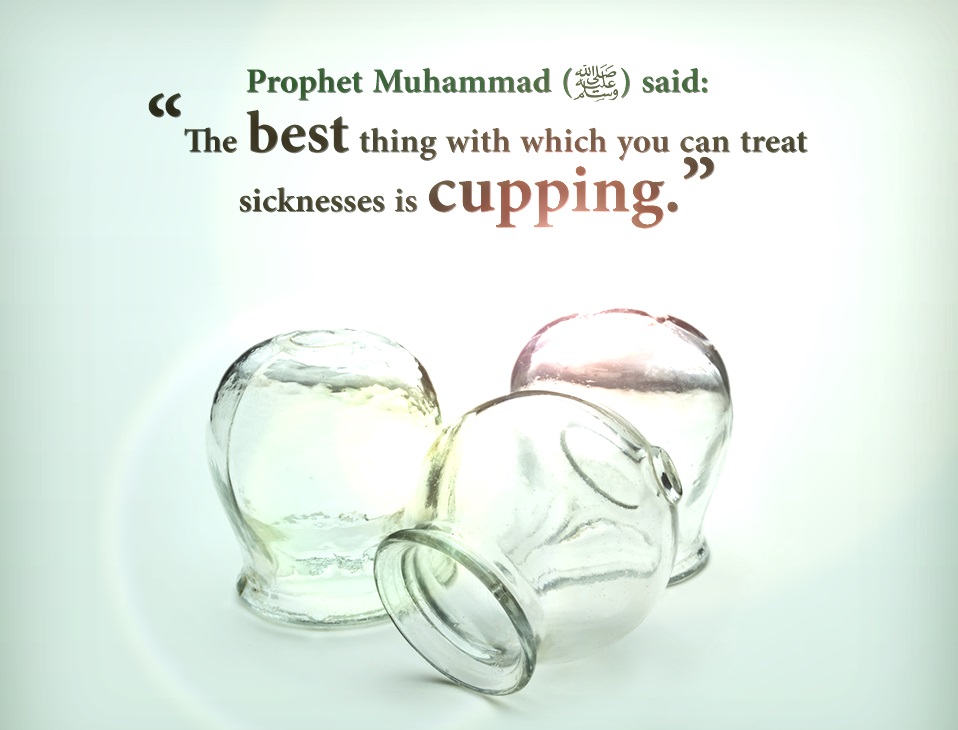
The Prophet Muhammad (peace be upon him) highly recommended hijama as a form of healing. Several hadiths (sayings and actions of the Prophet) emphasize its benefits. It was often used to treat various ailments, including headaches, back pain, and even poisoning.

Benefits of Hijama Cupping Therapy

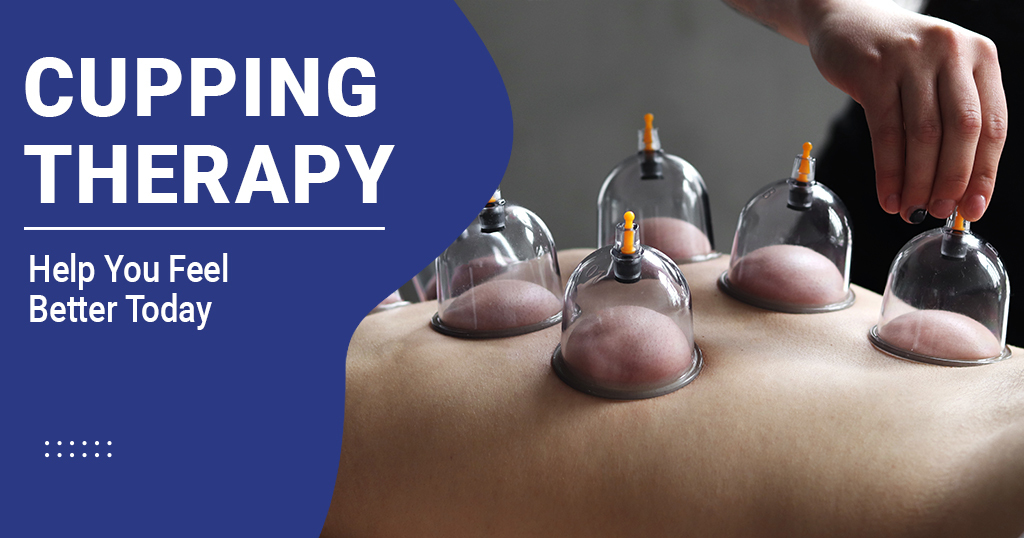
Cupping therapy - Types, Benefits and Side Effects

  • Pain Relief: Hijama is particularly effective in alleviating chronic and acute pain. It increases blood flow to the affected area, reducing inflammation and muscle tension.
  • Improved Blood Circulation: By drawing blood to the surface, hijama enhances blood circulation, delivering vital nutrients and oxygen to tissues.
  • Detoxification: The process is believed to help remove toxins and impurities from the body, promoting overall well-being.
  • Boosted Immune System: Regular hijama sessions can help strengthen the immune system, making the body more resilient to infections.
  • Mental Clarity and Focus: Some people report improved cognitive function and increased mental clarity after hijama.
  • Skin Health: Hijama can improve skin conditions by stimulating blood flow and promoting skin regeneration.

Hijama: The Sunnah Way

To truly experience the benefits of hijama, it’s essential to adhere to the Sunnah guidelines:

  • Best Days: The Prophet (peace be upon him) recommended performing hijama on the 17th, 19th, or 21st day of the Islamic lunar month.
  • Cupping Points: Specific points on the body are traditionally used for hijama, as indicated in the Sunnah.
  • Intention: Performing hijama with the intention of seeking healing and following the Sunnah is crucial.

Important Considerations

While hijama offers numerous benefits, it’s essential to consult with a qualified healthcare provider before starting any new treatment, especially if you have underlying health conditions. It’s also crucial to find a practitioner who adheres to the Sunnah and maintains high hygiene standards.

By understanding the Sunnah-based principles of hijama and choosing a qualified practitioner, you can experience the potential healing and well-being benefits of this ancient practice.